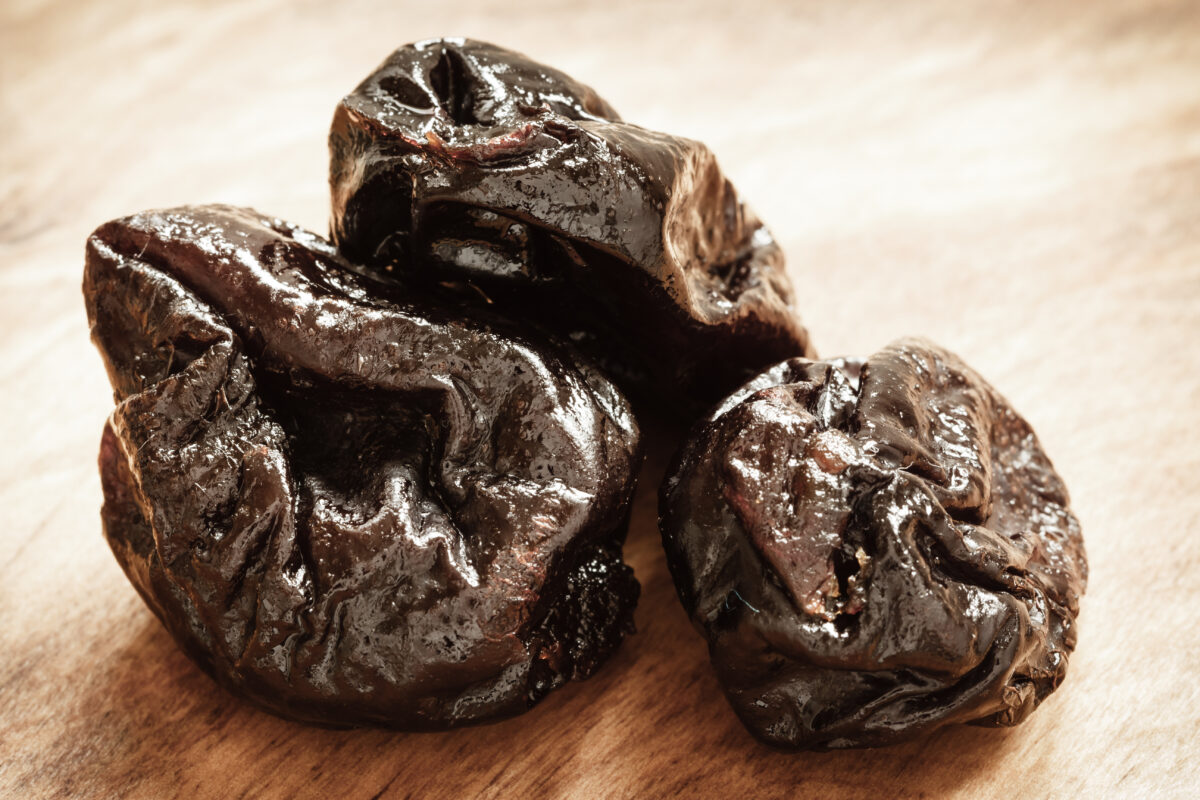
When constipation causes uncomfortable bloating, many people turn to prunes before reaching for medication. Known for their sweet-tart flavor and chewy texture, these bite-sized dried plums have long maintained a reputation as a digestive aid.
Prunes effectively soften stool and encourage bowel movements because they are rich in dietary fiber and sorbitol, a naturally occurring sugar alcohol. However, healthcare experts warn against eating them unchecked. Because the drying process removes water, prunes become significantly more dense in calories and sugar than fresh plums. Snacking on them freely under the assumption that they are strictly a "health food" can lead to unexpected calorie and sugar intake.
Five Times the Calories of Fresh Plums
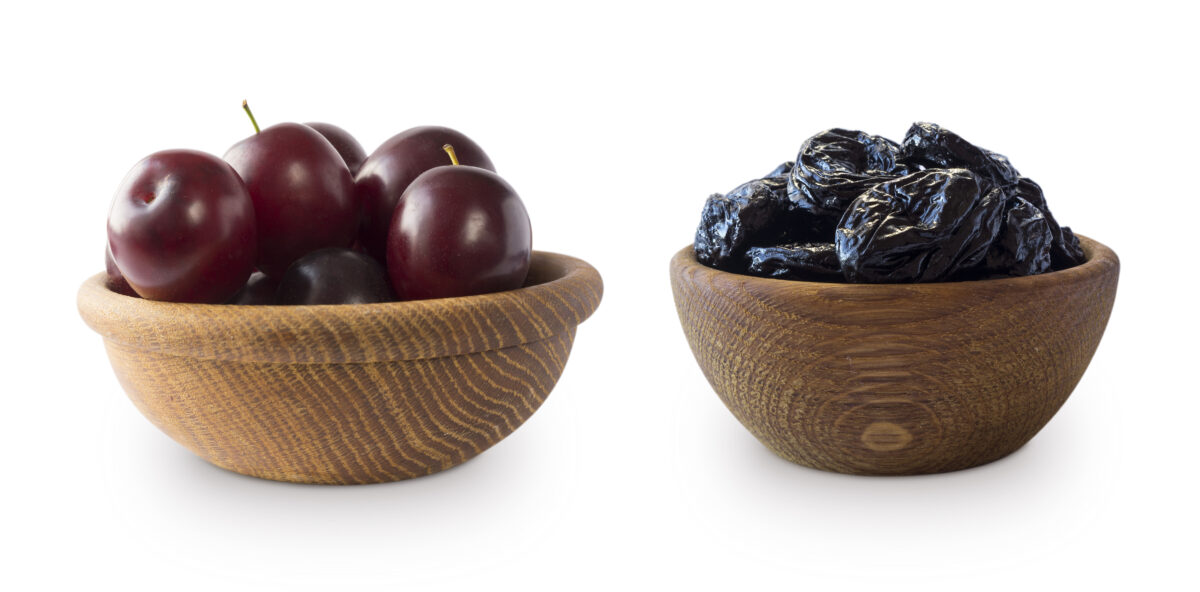
Data from the National Institute of Crop Science, published by the Ministry of Food and Drug Safety, highlights the nutritional contrast between fresh and dried plums. A 100-gram serving of prunes contains 235 calories, 62.04 grams of carbohydrates, 34.45 grams of sugar, and 6.9 grams of dietary fiber. By comparison, 100 grams of fresh plums contains just 44 calories, 11.47 grams of carbohydrates, 8.92 grams of sugar, and 2.0 grams of dietary fiber. Weight for weight, prunes contain roughly 5.3 times the calories and 3.9 times the sugar of fresh fruit.
This discrepancy stems almost entirely from water loss. Fresh plums consist of 87% water, whereas prunes contain only 33%. As moisture evaporates, nutrients, sugars, and calories become concentrated.
Most people do not eat 100 grams of prunes in one sitting. A typical serving of 40 grams—about four to five prunes—delivers roughly 100 calories, 13.8 grams of sugar, and 2.8 grams of dietary fiber. While reasonable for a planned snack, continuously grazing from a bag can quickly cause sugar and calorie totals to spike, particularly for individuals managing weight or blood glucose levels.
Dual Mechanism of Fiber and Sorbitol
The laxative effect of prunes relies on a combination of insoluble fiber, soluble fiber, and sorbitol. Sorbitol is poorly absorbed in the human digestive tract, allowing it to draw water into the intestines to soften stool, while dietary fiber increases stool bulk and stimulates intestinal motility. Antioxidant compounds, such as polyphenols, may also favorably alter the gut environment.
Clinical research supports these benefits. In a randomized trial conducted by researchers at the University of Iowa, adults with mild to moderate constipation were given either dried plums or psyllium. The prune group experienced a significant increase in spontaneous bowel movements and measurable improvements in stool consistency compared to those taking psyllium.
Portion Control and Healthy Substitution
Despite these benefits, ramping up prune intake too quickly can trigger digestive discomfort. A research team led by Ellen Lever at King’s College London examined prune consumption among 120 participants. Published in a study evaluating stool weight, gut transit time, and the gut microbiome, the findings confirmed that prunes increased stool weight and bowel movement frequency—but also led to a noticeable increase in flatulence.
To avoid gas and abdominal bloating, experts recommend starting with small portions and observing how the body reacts. Prune juice offers similar benefits, but consumers should check product labels for added sugars and calories.
For those monitoring their diet, prunes should substitute for other treats—such as cookies or sugary desserts—rather than serve as an extra addition to daily meals. Chopping four or five prunes into plain yogurt or oatmeal provides natural sweetness without the need for honey or syrup, keeping overall sugar and calorie intake under control.