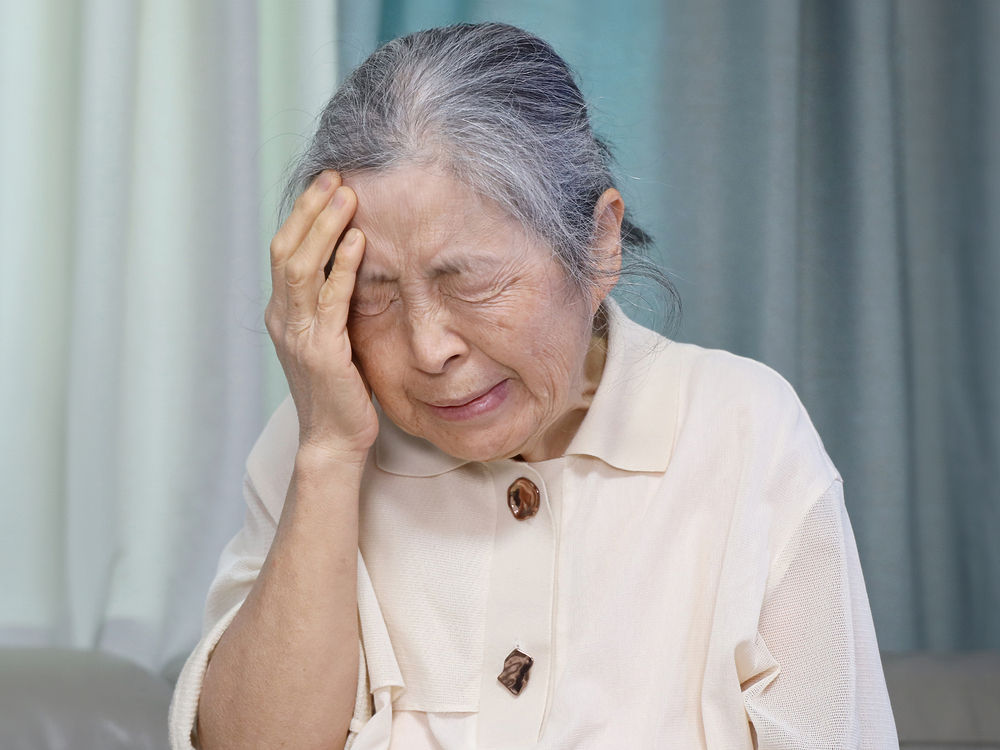
Two weeks before his daughter’s wedding, a middle-aged man was rushed to the hospital after suffering sudden paralysis from an acute stroke. In cerebrovascular emergencies, rapid intervention determines whether a patient lives, dies, or suffers permanent disability. Fortunately, he reached the emergency room at S Pohang Hospital well within the optimal treatment window.
The emergency team intervened immediately, and the procedure was successful on the first attempt. The patient made a full recovery without lasting neurological deficits. Shortly after, he walked his daughter down the aisle. Eight years after Kim Moon-chul, director of S Pohang Hospital, performed that critical operation, the patient remains healthy. Today, he regularly visits Dr. Kim’s clinic to share photos of his young grandchild.
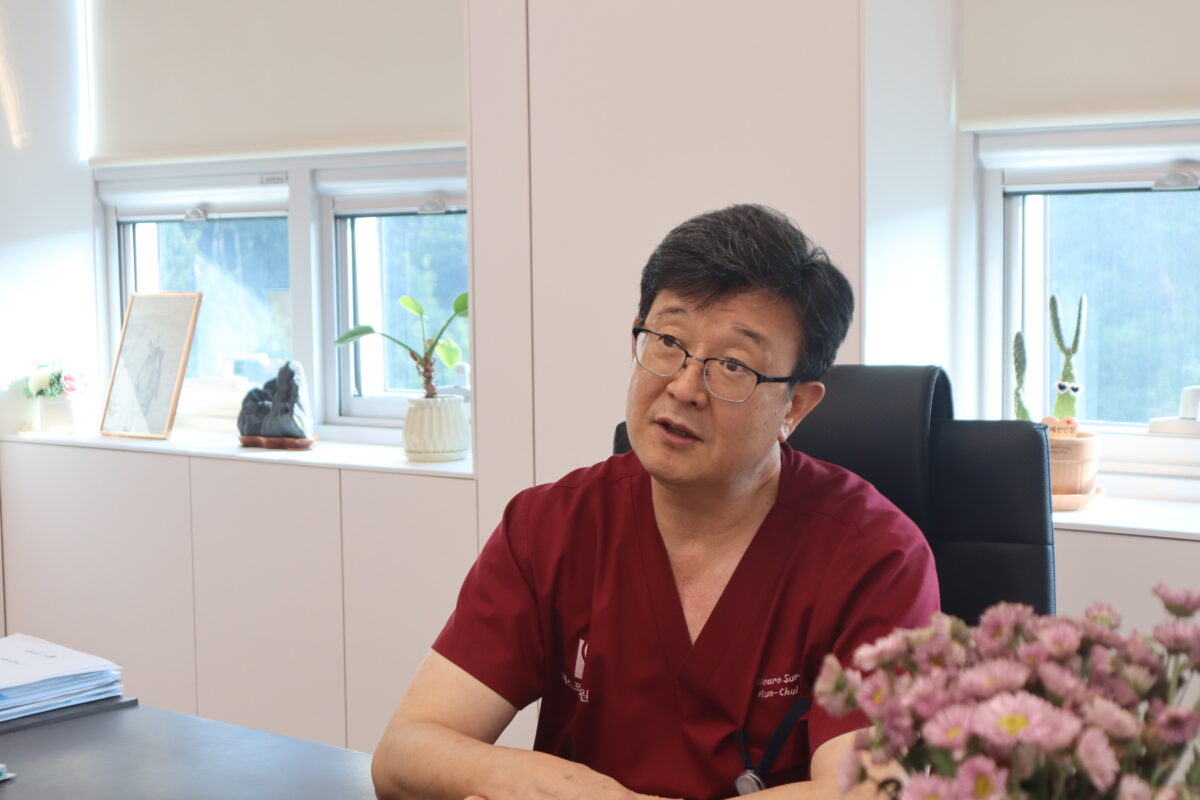
"Moments like that bring me deep professional fulfillment," Kim reflected. "Saving patients in critical condition is the precise reason I became a neurosurgeon."
Building North Gyeongsang’s Only Dedicated Cerebrovascular Center
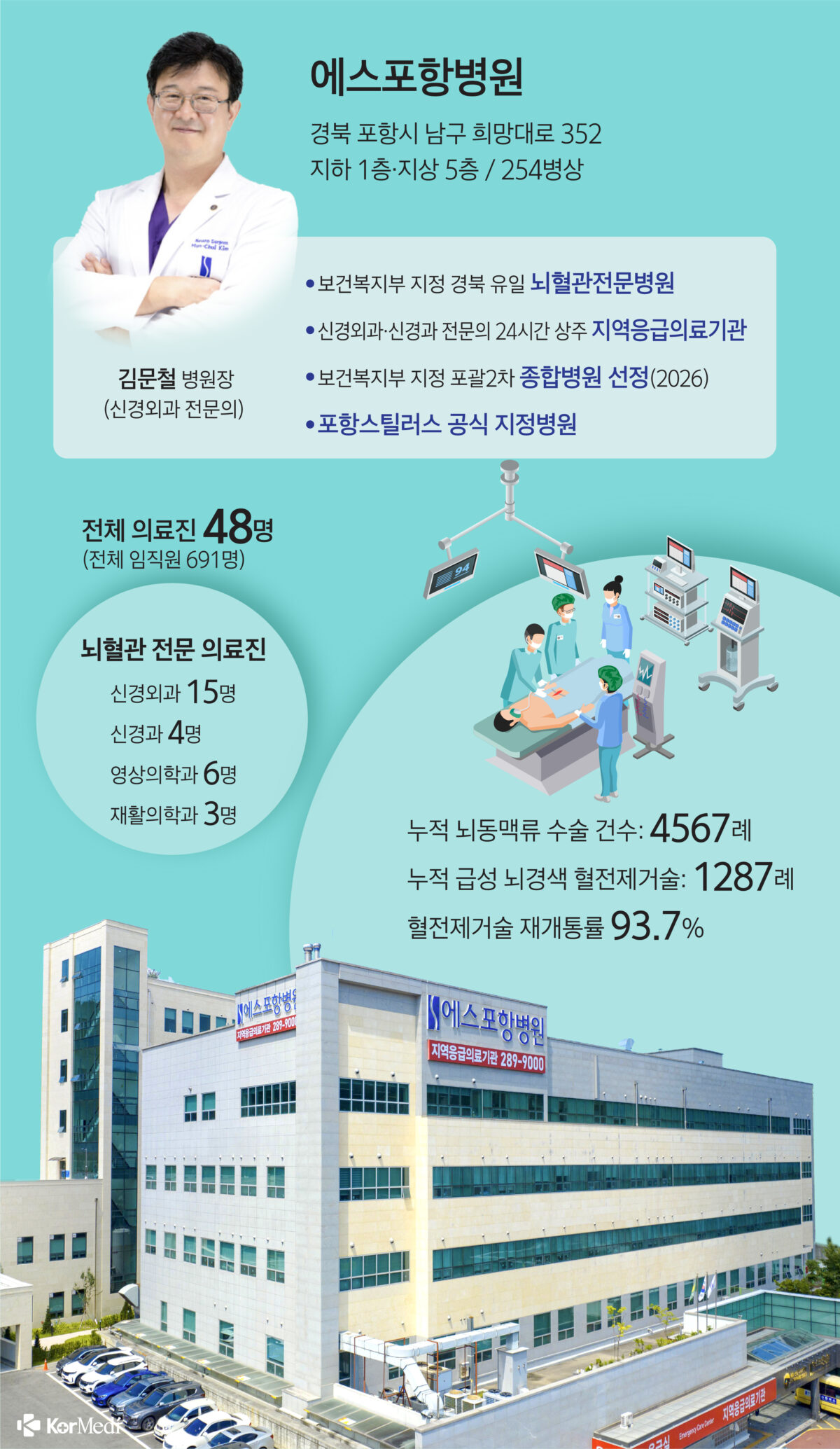
Now in its 18th year, S Pohang Hospital stands as the sole specialized cerebrovascular hospital in North Gyeongsang Province. First designated by the Ministry of Health and Welfare in 2011 as a neurosurgery specialty hospital, it subsequently earned four consecutive designations as a specialized cerebrovascular hospital for terms 2 through 5 (2015–2026). Nationwide, only four medical centers hold this designation: Myongji St. Mary’s Hospital in Seoul, Hyoseong Hospital in Cheongju, Good Morning Hospital in Daegu, and S Pohang Hospital.
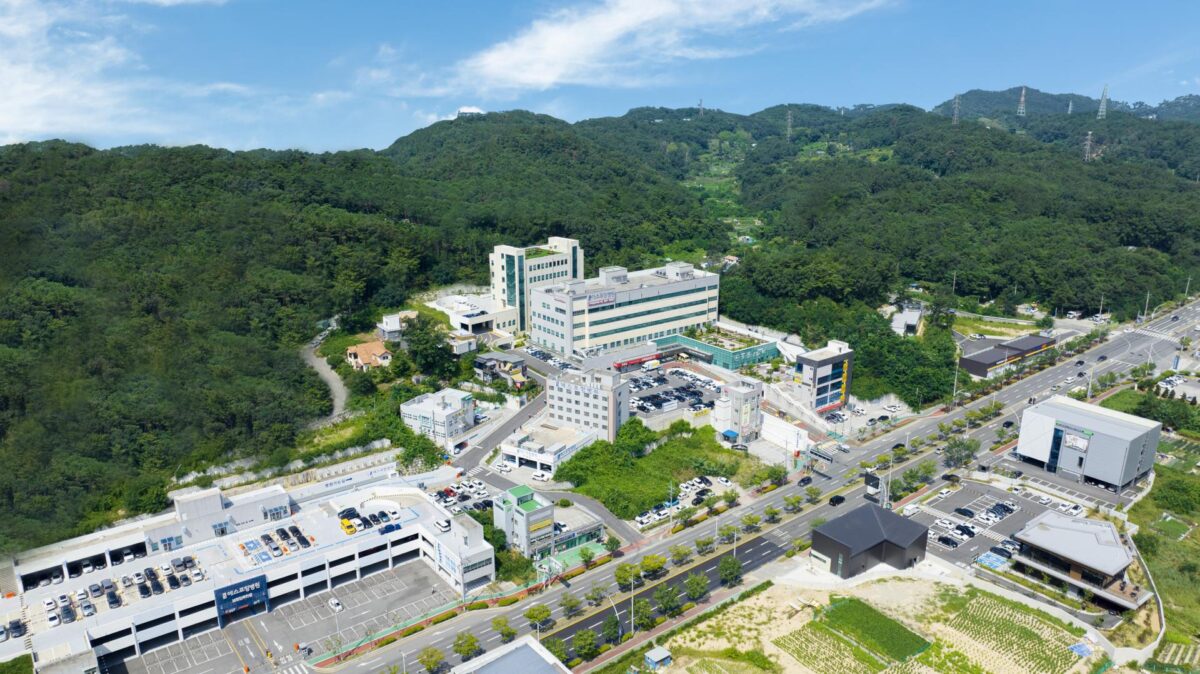
Patients travel to S Pohang Hospital from across the region, including Pohang, Gyeongju, Yeongdeok, Uljin, Yeongcheon, Gyeongsan, Daegu, and Ulsan. The hospital’s reputation rests on round-the-clock emergency coverage provided directly by neurosurgery and neurology specialists. Solidifying its role as a regional healthcare anchor, the facility was recently classified as a comprehensive secondary general hospital.
S Pohang Hospital was founded in 2008 to address a fundamental question: Why should stroke patients risk their lives traveling to major metropolitan centers during a medical emergency?
"At the time, prevailing public perception held that severe cerebrovascular conditions like cerebral hemorrhages or brain aneurysms could only be managed at university hospitals in Seoul," Kim explained. "Regional hospitals typically performed only basic procedures, and few facilities outside the capital carried out complex neurosurgeries at a university-hospital level."
After graduating from Kyungpook National University School of Medicine and serving as a neurosurgery professor at Daegu Catholic University School of Medicine, Kim witnessed numerous regional patients miss critical treatment windows while in transit to distant hospitals. Driven by a commitment to save lives on the front lines, he decided to establish a specialized medical center in Pohang—a city with an aging population in its agricultural and fishing hinterlands, alongside a growing industrial workforce.
Joining forces with a group of dedicated neurosurgeons, Kim opened the facility in November 2008 in Buk-gu, Pohang. He named it "S Pohang Hospital," drawing the letter "S" from the core specialties of stroke and spine.
Rapid Protocol Cuts Treatment Delays
Since its founding, the hospital has grown from four physicians and 70 employees to nearly 700 staff members, including 48 medical specialists. To accommodate this expansion, the hospital relocated to a modern facility in Nam-gu, Pohang, in 2017.
Today, S Pohang Hospital operates dedicated centers for cerebrovascular disease, brain disorders, cardiovascular care, peripheral vascular disease, and neuro-rehabilitation. This integrated structure allows diagnosis, surgery, and rehabilitation to occur seamlessly within a single facility.
"Cerebrovascular conditions do not occur in isolation because the vascular system is entirely interconnected," Kim noted. "When treating a cerebral infarction, clinicians must evaluate underlying cardiac issues, carotid artery atherosclerosis, and peripheral vascular health to effectively prevent recurrence."
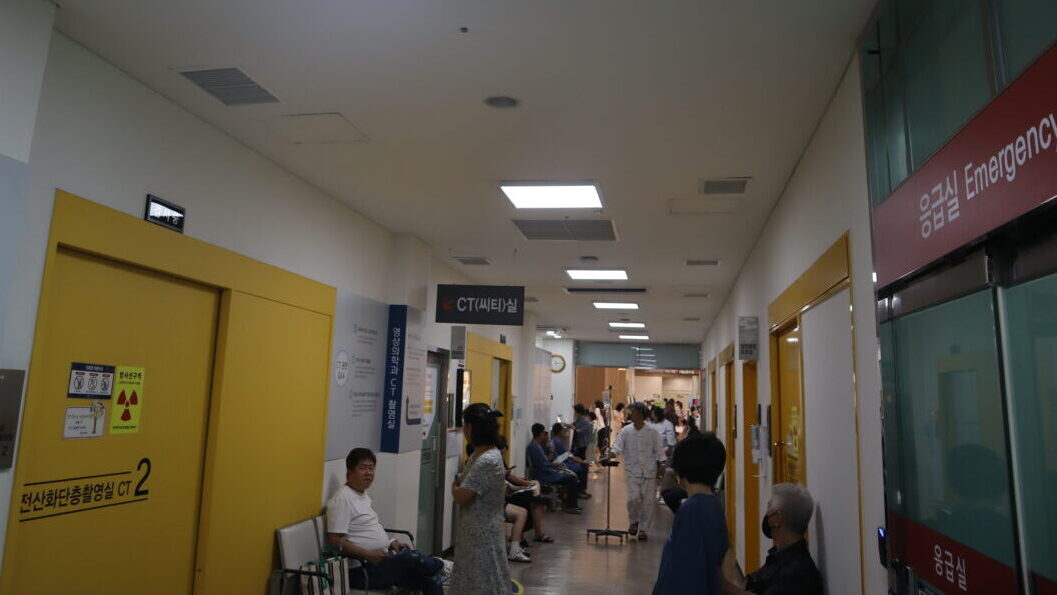
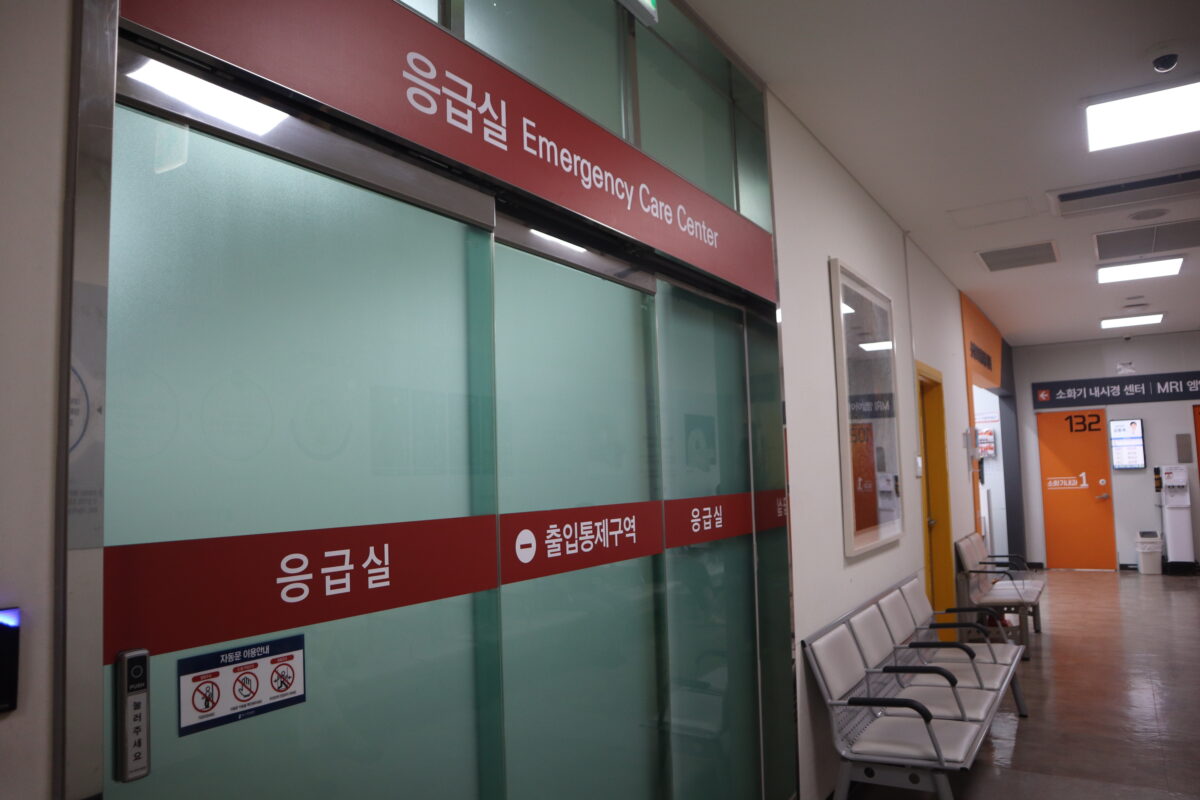
The hallmark of S Pohang Hospital is its rapid emergency protocol. Rather than relying on general emergency physicians, neurosurgeons and neurologists directly staff the ER 24 hours a day to make immediate clinical decisions. On-call anesthesiologists and surgical nurses assemble before diagnostic imaging is even completed. Additionally, CT and MRI suites are located adjacent to the ER to minimize patient transport times.
Consequently, the hospital's average Door-to-Puncture (D2P) time—the interval from emergency arrival to the start of intra-arterial thrombectomy—is just 83 minutes, significantly faster than the South Korean national average of 130.4 minutes.
Superior Clinical Outcomes and International Recognition
S Pohang Hospital’s medical staff includes highly experienced specialists, such as Jung Joon-ho, a neurosurgery professor who joined the hospital after 15 years at Yonsei University’s Severance Hospital.
To date, the hospital has performed approximately 4,500 brain aneurysm surgeries and 1,290 mechanical thrombectomies for acute ischemic stroke. While few hospitals in South Korea perform more than 50 thrombectomies annually, S Pohang Hospital completed over 110 cases last year alone.
Furthermore, S Pohang Hospital reports a post-thrombectomy successful recanalization rate of approximately 94%. This surpasses national multicenter benchmarks (80.2–83.5%) and international registry averages (81.1–88.0%). In recognition of its clinical standards, the World Stroke Organization (WSO) has awarded S Pohang Hospital its top "Diamond" status 13 times.
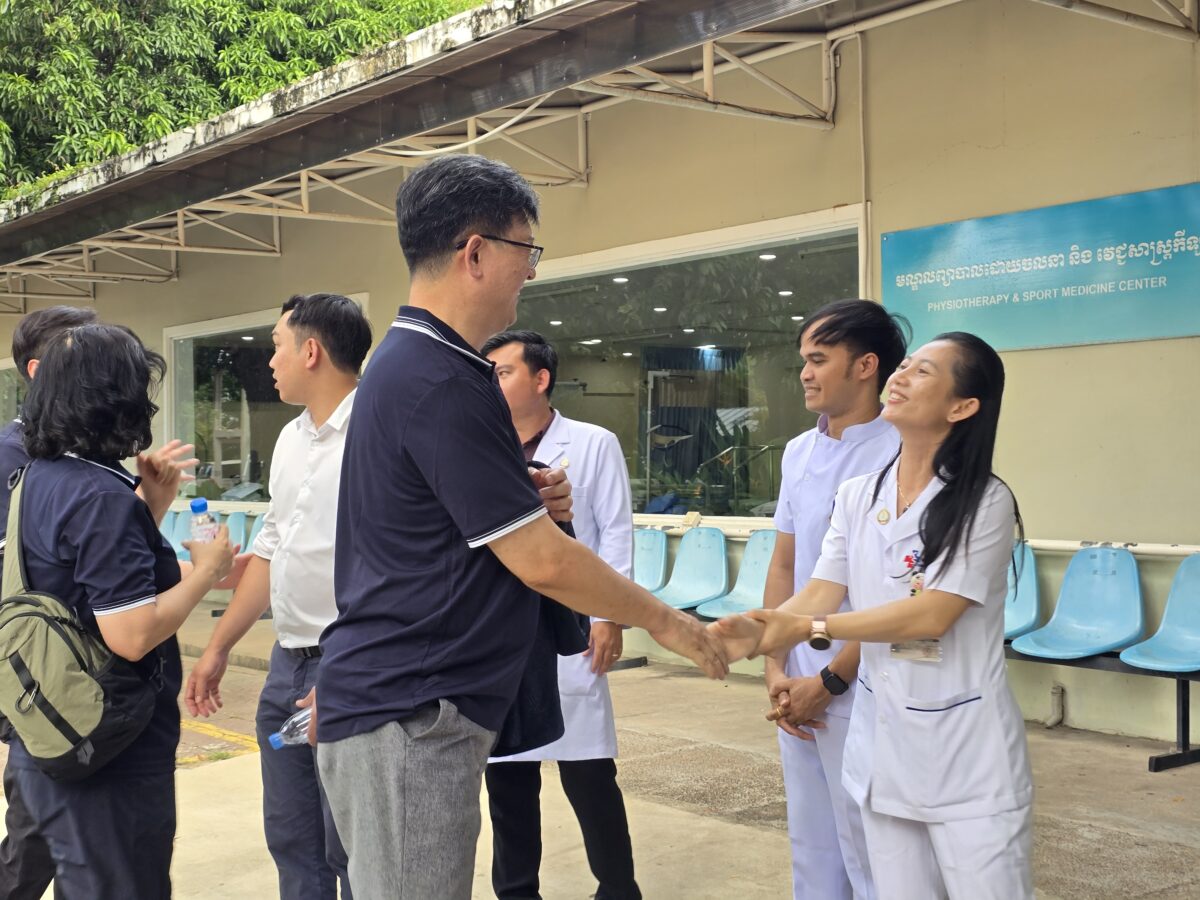
To maintain clinical excellence, the medical staff has held a daily case-review conference at 7:30 a.m. every morning for the past 18 years. The hospital also supports emergency medical networks for remote areas like Ulleung County and conducts clinical training programs for visiting international physicians, including medical personnel from Cambodia.
Advocating for Systemic Emergency Transport Reform
Despite these achievements, Kim advocates for broader structural reforms in emergency medical transport. Under current emergency services (119) dispatch protocols, critical patients are often routed to large tertiary centers based on emergency room size or bed count rather than immediate neurosurgical capacity.
"At our hospital, neurosurgeons are on duty through the night, and emergency cerebrovascular patients move directly from the ER to the operating room or intensive care unit," Kim said. "For time-critical conditions like stroke, transport protocols must shift from a 'nearest large hospital' model to a 'hospital capable of immediate specialized intervention' model."
He added: "Sustaining essential regional healthcare requires an integrated medical infrastructure connecting emergency dispatch, ER triage, definitive surgical treatment, and long-term rehabilitation."
Eighteen years after challenging the necessity of sending stroke patients to Seoul, Kim remains committed to the same guiding principle: "Saving every possible patient by delivering definitive care without delay."