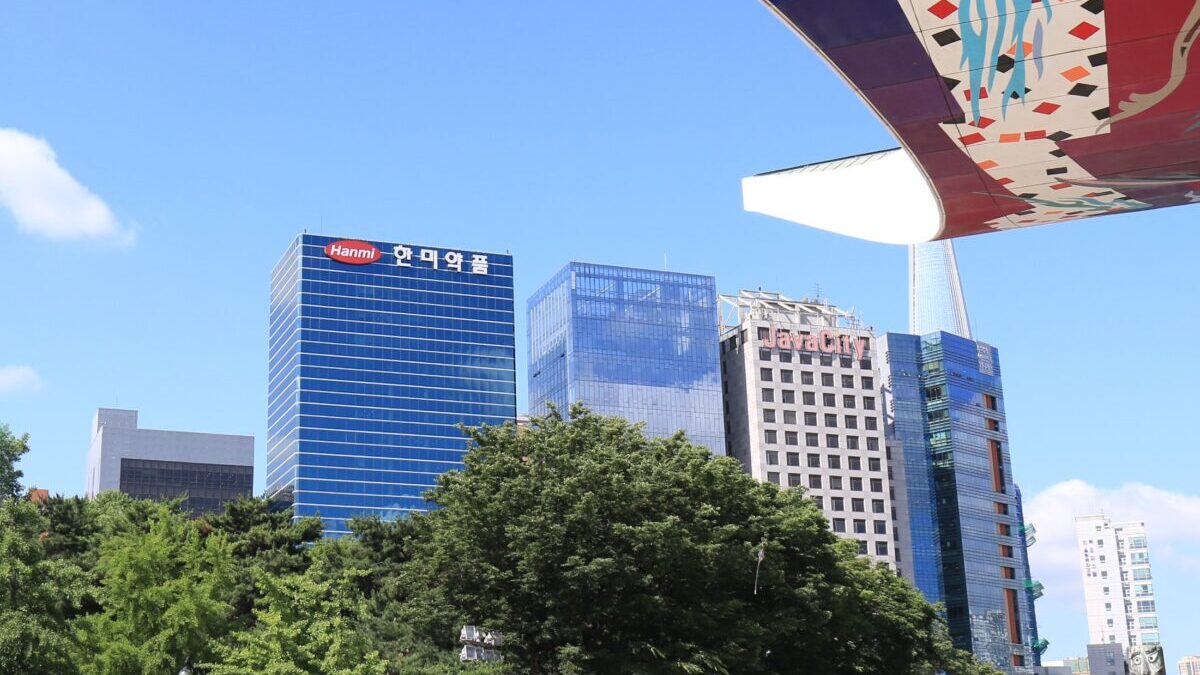
Hanmi Pharmaceutical has entered into an exclusive global licensing agreement with Genentech, a member of the Roche Group, for its next-generation obesity candidate, HM17321. The deal—worth up to $2.305 billion (3.1892 trillion won)—covers a therapy designed to reduce body fat while preserving lean muscle mass.
In a regulatory filing on August 24, Hanmi announced that Genentech acquired worldwide rights to research, develop, manufacture, and commercialize HM17321, excluding South Korea. A long-acting urocortin 2 (UCN2) analog, HM17321 is currently in Phase 1 clinical trials in the United States, with potential applications extending to metabolic conditions, including Type 2 diabetes and cardiovascular disease.
Under the terms of the agreement, Hanmi will receive an upfront payment of $190 million (about 262.9 billion won), along with development, regulatory, and commercial milestone payments totaling up to $2.115 billion (about 2.9263 trillion won). If commercialized, Hanmi will also receive tiered running royalties based on annual net sales.
Upfront payment of 262.9 billion won with milestone-based payouts
The maximum contract value represents more than double Hanmi’s 2025 consolidated revenue of 1.5475 trillion won, with the upfront payment alone accounting for roughly 17% of last year's sales. However, the majority of the deal—approximately 2.9263 trillion won—remains contingent on meeting specific clinical, regulatory, and sales milestones. All upfront and milestone payments received are non-refundable.
The agreement will take effect following customary administrative procedures under the U.S. Hart-Scott-Rodino (HSR) Act, after which the upfront payment will be disbursed. If clinical development or commercialization does not proceed as planned, the contract may be terminated without Hanmi incurring financial penalties.
The transaction marks Hanmi’s largest single-asset licensing deal since its series of major agreements in 2015. It also reunites Hanmi and Genentech nearly a decade after their 2016 agreement for the cancer drug candidate belvarafenib (HM95573), which was valued at up to $910 million.
Targeting CRF2 rather than incretin pathways
HM17321 operates through a mechanism distinctly different from prevailing blockbusters like Wegovy and Mounjaro. Wegovy relies on GLP-1 receptor agonism, while Mounjaro targets both GIP and GLP-1 receptors. Both are classified as incretins, which are gut-secreted hormones that regulate appetite, insulin secretion, and blood sugar following meals.
By contrast, HM17321 bypasses the incretin pathway altogether. Developed using artificial intelligence and structural modeling technologies, the peptide candidate is engineered to mimic UCN2 and selectively stimulate the corticotropin-releasing factor 2 (CRF2) receptor over an extended duration.
By targeting CRF2, Hanmi aims to reduce body fat while maintaining or enhancing lean body mass and muscle function—addressing a major drawback of current weight-loss drugs, which often cause patients to lose significant muscle alongside fat.
While lean body mass encompasses bone, organs, and body water in addition to muscle, Roche highlighted muscle preservation as a key differentiator. Boris Zaitra, head of corporate business development at Roche, noted that HM17321's development strategy centers on reducing fat mass while simultaneously improving muscle mass and function.

Animal studies show fat reduction and muscle retention
Preclinical studies conducted by Hanmi demonstrated that HM17321 reduced overall body weight and fat mass in obese animal models while increasing lean mass. Hanmi is exploring its therapeutic potential both as a monotherapy and in combination with existing obesity treatments, as well as its broader efficacy in cardiovascular and metabolic diseases.
However, whether these body-composition benefits translate to human subjects remains to be confirmed. HM17321 is currently being evaluated in a U.S. Phase 1 trial involving approximately 90 healthy adults and individuals with obesity.
The trial is divided into two phases: a single ascending dose study in roughly 40 healthy volunteers, followed by a 12-week, once-weekly dosing study in approximately 50 adults with obesity. According to ClinicalTrials.gov, the primary endpoints focus on safety, tolerability, pharmacokinetics, and preliminary weight changes. The trial began in November 2025 and is scheduled for completion in March 2027.
Genentech to assume development following Phase 1
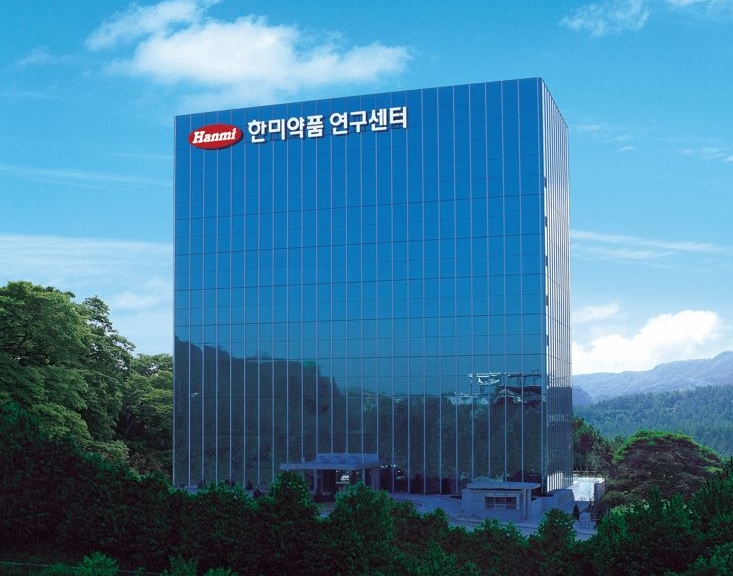
Under the agreement, Hanmi will complete the ongoing Phase 1 trial, after which Genentech will assume full responsibility for Phase 2 clinical development and global commercialization.
Securing a deal worth up to $2.305 billion at the Phase 1 stage underscores strong industry interest in novel obesity mechanisms. Genentech and its parent company, Roche, have been expanding their metabolic portfolio, which includes GLP-1, GIP, and amylin candidates. HM17321 offers a complementary, non-incretin mechanism that could be developed as a standalone therapy or as part of a fixed-dose combination.
Ultimately, the full value of the agreement will hinge on clinical trial outcomes. The crucial test will be whether HM17321 can replicate its preclinical body-composition benefits in human trials and deliver additive advantages when combined with existing obesity drugs.