You might feel fine in the morning, only to feel heavy and sluggish by late afternoon. Sit for too long, and your legs may feel stiff—leaving you to wonder if poor circulation is to blame. Because vascular health deteriorates silently as blood pressure, cholesterol, and triglycerides rise, taking proactive steps is essential. One of the best places to start is with your daily diet.
Mackerel and Salmon: Omega-3-Rich Fish Twice a Week
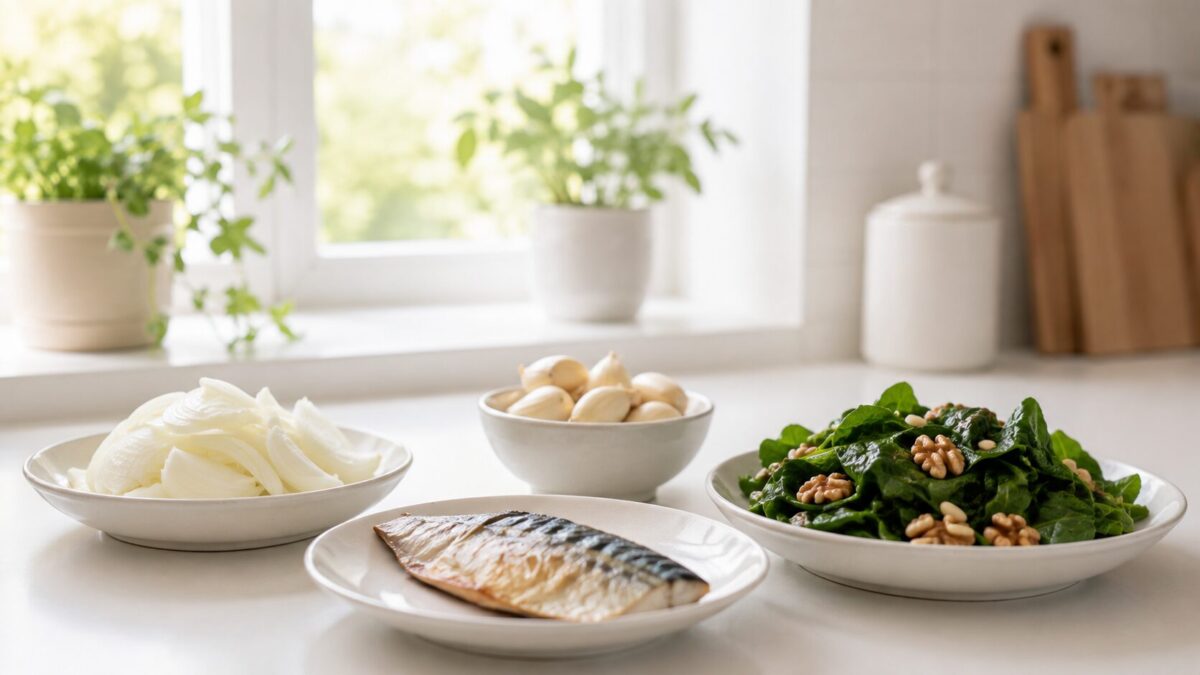
Fatty fish such as mackerel, salmon, and sardines are rich in EPA and DHA, two vital omega-3 fatty acids. Omega-3s help lower blood triglycerides, and dietary patterns that consistently feature fish are associated with a significantly reduced risk of cardiovascular disease. The American Heart Association (AHA) recommends eating fatty fish twice a week to support overall heart health.
Rather than consuming large quantities all at once, incorporate fish into your weekly meal planning on two separate occasions. Grilling or steaming rather than frying limits unnecessary fat intake, while seasoning with lemon, pepper, or herbs instead of salt helps keep sodium levels low.
Onions: Rich in Quercetin for Blood Pressure and Vascular Health
Onions are widely known for their concentration of quercetin, a plant-based antioxidant flavonoid. Researchers have steadily examined quercetin’s benefits for vascular function and blood pressure management. In fact, a clinical trial involving adults with overweight or obesity and prehypertension or stage 1 hypertension demonstrated measurable blood pressure improvements after participants consumed onion-peel-derived quercetin for six weeks.
While onions can be eaten raw, cooked options like stir-fries, roasts, or soups offer a milder flavor without sacrificing benefits. Choosing vegetable side dishes packed with onions over greasy or salty alternatives naturally increases your vegetable intake while delivering essential quercetin.
Garlic: Organosulfur Compounds for Cholesterol and Blood Pressure
Garlic contains a rich array of organosulfur compounds, including allicin, which have long been studied for their ability to mitigate cardiovascular risk factors like elevated blood pressure and blood lipids. The National Center for Complementary and Integrative Health (NCCIH) notes that garlic supplements may slightly lower total cholesterol and LDL cholesterol in individuals with elevated levels.
In daily cooking, raw or roasted garlic pairs easily with a variety of meals, while minced garlic serves as a versatile flavor builder. Garlic’s potent aroma allows you to reduce added salt and sodium-rich seasonings without compromising taste. Building meals around garlic, onions, and leafy vegetables rather than focusing solely on heavy meats makes prioritizing vascular health effortless.
Bananas, Spinach, and Beans: Boost Potassium to Balance Sodium
Protecting your blood vessels requires balancing potassium alongside cutting back on sodium. High sodium intake elevates blood pressure, whereas potassium promotes sodium excretion through urine and eases tension in blood vessel walls, aiding blood pressure control.
Potassium is abundant in fruits and vegetables, particularly leafy greens like spinach, legumes, potatoes, and bananas. Incorporating a banana at breakfast, bean or vegetable side dishes at lunch, and spinach at dinner spreads potassium intake evenly throughout the day. Simultaneously reducing broth consumption and cutting back on soy sauce, heavy sauces, and processed foods will lower your overall sodium intake, optimizing blood pressure management.