Advice on how to start the day has never been more conflicting. Intermittent fasting urges extended fasting windows, while other studies emphasize breakfast for blood sugar stability. Claims abound: morning coffee for weight loss, warm water to prevent weight gain. Amid this confusion, herbal pharmacist Cho Seung-woo offers a straightforward message in his book, The Miracle of the First Meal: "Change only your first meal, and your health changes."
The following is an edited excerpt of the interview on how the first meal shapes metabolism, health, and chronic disease risk.
Q. Why focus so heavily on the first meal in the morning?
A. What you put into your body first after fasting has a much bigger impact on your choices throughout the day than what time you eat. If you start with sweet coffee or pastries, you are more likely to crave stimulating foods all morning. If you start with unprocessed foods like vegetables and fruit, your next meal naturally changes, too.
In my 20s, I worked at a bank and ran a coffee business, repeating late nights and late-night meals. As my weight passed 80 kg, I experienced chest pain and early signs of coronary artery disease. That was when I looked back at my daily diet and lifestyle. By increasing vegetables and fruit while cutting back on processed foods and late-night meals, I lost about 15 kg.
That said, saying diet causes disease does not mean every illness can be treated with food alone—genetics, environment, stress, and sleep all play roles. But for chronic conditions like hypertension, diabetes, and obesity, diet is the single biggest variable we can control every day.
Q. What is your take on intermittent fasting or drinking olive or perilla oil on an empty stomach?
A. Intermittent fasting can be a useful tool, but skipping breakfast is not healthier for everyone. What matters is maintaining the fasting window without strain and choosing a nutritious first meal. Simply eating late into the night and skipping breakfast is not proper fasting. I recommend a natural overnight fast: finish dinner earlier and get adequate sleep. If fasting causes severe dizziness, bingeing, or poor focus, do not force it.
As for taking olive or perilla oil on an empty stomach, drinking a spoonful of oil does not automatically trigger detoxification or weight loss. Oils offer far more benefits when used with vegetables or meals to replace unhealthy fats. Drinking large amounts on an empty stomach can cause nausea, diarrhea, or abdominal pain, and people with gallbladder or pancreatic conditions should be especially cautious. The first meal should center on water, vegetables, fruit, and balanced nutrition—not a single oil.
Q. You advocate starting with cold-pressed juice rather than supplements. What is the reasoning behind that?
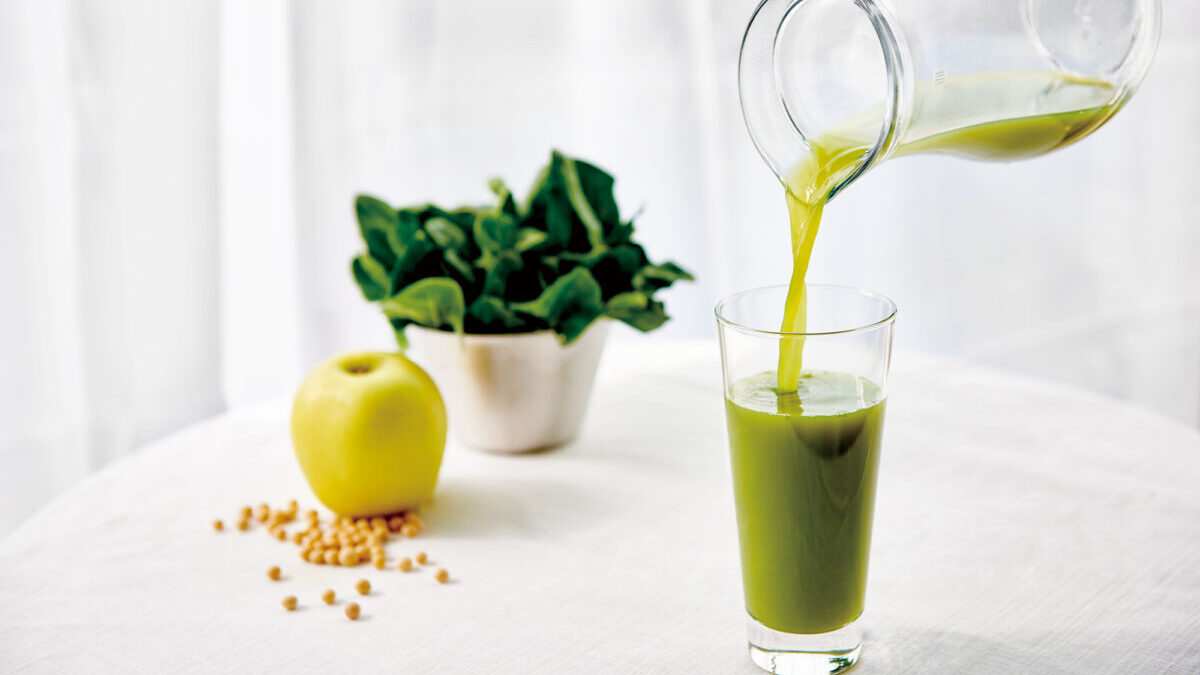
A. I am not telling people to stop taking necessary medications or supplements prescribed by doctors. Rather, fundamental health should start with real food instead of pills. Cold-pressed juice offers a practical way to consume multiple vegetables and fruits at once, even on a busy morning. It provides hydration, vitamins, minerals, and polyphenols as a realistic alternative to coffee, bread, or cereal.
To avoid blood sugar spikes from fruit-heavy juices, increase the proportion of vegetables like carrots, cabbage, kale, and celery, adding only a small amount of fruit and no added sugar or syrup. Start with 150 to 200 mL and monitor how your body responds.

Q. Why drink cold-pressed juice first thing on an empty stomach?
A. No first meal requires less digestive energy while supplying such an abundance of vitamins and minerals. Juice supports the body's natural antioxidant and anti-inflammatory functions, helping the liver and kidneys process waste built up from processed and animal-based foods. The electrolytes in juice also help stabilize the nervous system, while fluid intake improves digestion, eases constipation, and reduces bloating, acid reflux, and bad breath.
Q. Who stands to benefit most from starting their day with juice?
A. It is especially practical for people who rely on morning coffee or pastries, those who eat very few vegetables, busy professionals, and people recovering from heavy late-night meals. However, growing adolescents, pregnant or breastfeeding women, athletes, and highly active individuals should follow juice with solid protein and chewable foods like tofu, eggs, nuts, and whole grains. Juice is not a complete meal for everyone; the goal is simply replacing a poor first meal with a better one.
Q. Some argue that juicing removes beneficial dietary fiber. How do you respond?
A. Juicing reduces insoluble fiber, but soluble fiber remains intact. Cold-pressed juice is not a complete substitute for whole produce, which is why eating salads, whole grains, and whole fruits throughout the day remains essential. But juice is far from worthless—it delivers hydration, vitamins, minerals, phytochemicals, and soluble fiber in an easily digestible form. Juicing and eating whole foods are complementary practices, not competitors.
Q. Who should exercise caution when drinking morning juice?
A. People with diabetes or prediabetes should adjust both portion size and ingredients. Keep the vegetable ratio high, start with 100 to 150 mL, and monitor post-meal blood sugar. Those using insulin or blood-sugar medications should consult a doctor first. Additionally, people with chronic kidney disease or those on dialysis must watch potassium levels from carrots, celery, and fruit. Caution is also needed for individuals with specific allergies, irritable bowel syndrome, or fructose malabsorption.
Q. Could you explain "CCA juice" and "KCA juice"?
A. CCA juice stands for Carrot, Cabbage, and Apple (a basic 500 mL batch uses about 300 g carrots, 200 g cabbage, and 500 g apples). The sweetness of the carrots and apples balances the bitterness of the cabbage, making it very approachable.
KCA juice stands for Kale, Celery, and Apple (about 140 g kale, 200 g celery, and 300 g apples for 500 mL). It has a stronger herbal aroma, so it is best to transition to it after getting used to CCA juice.
"Detoxification" does not mean juice instantly cures disease. Rather, replacing salty, processed foods with vegetables, fruit, and water supports the body's natural liver and kidney functions.
Q. Making juice every morning can be time-consuming. What are realistic ways to maintain this routine?
A. Fresh homemade juice is best, but you can prep ingredients over the weekend to make juicing take just five minutes on weekday mornings. You can also freeze pre-made batches in portions. If buying store-bought juice, carefully check labels to ensure it is 100% vegetables and fruit with no added sugar, high-fructose corn syrup, concentrates, or artificial flavorings. Starting with small amounts of 150 to 300 mL three times a week is much more effective than striving for perfection and quitting.
Q. Can morning juice aid in weight loss?
A. Juice does not directly burn fat. It aids weight loss when it replaces high-calorie choices like sweetened coffee, pastries, or late-night snacks. Starting the day with vegetables and fruit establishes momentum that positively influences your choices for the rest of the day. Sustainable weight loss comes from consistent long-term habits: cutting late-night meals, creating fasting windows, and combining vegetable juice with protein sources like eggs, beans, or tofu to protect muscle and satiety.
Q. What is your final message for readers?
A. Do not leave your first meal to chance—start your morning with vegetables and fruit. When your first choice changes, your subsequent choices change as well.
After getting enough sleep and cutting late-night eating, start the day with a glass of water paired with fresh produce or unsweetened cold-pressed juice. You do not need to do it perfectly from the start—even 150 mL three times a week makes a difference. Health is not about a magic supplement; it is the cumulative process of making one fewer harmful choice and one more beneficial choice each day. If you didn't do it today, simply start again tomorrow.