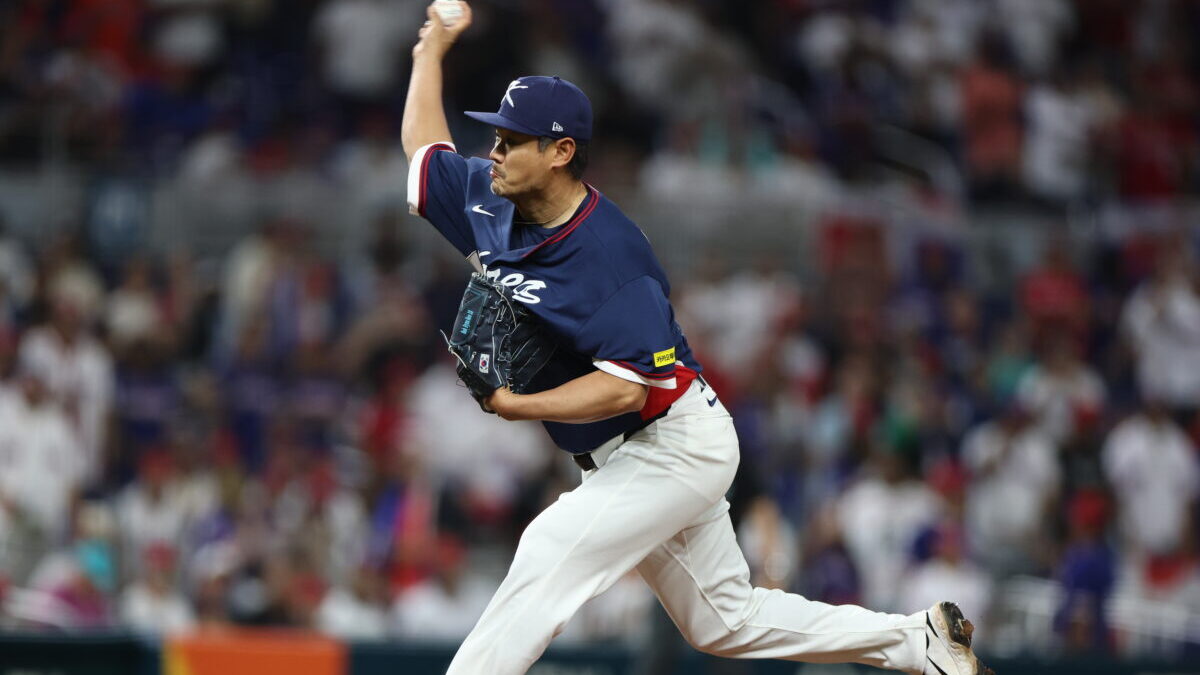
For most professional athletes, turning 40 marks the beginning of the end. But SSG Landers pitcher Noh Kyung-eun is still taking the mound at age 42, regularly throwing pitches close to 150 km/h.
Born on March 11, 1984, Noh is currently the oldest active pitcher in the KBO League. Yet age has done little to diminish his effectiveness. He recorded 38 holds in 2024 and 35 holds in 2025, finishing as the league’s holds leader for two consecutive seasons. This past March, he also made a triumphant return to the South Korean national team for the World Baseball Classic (WBC) for the first time in 13 years.
His velocity, in particular, has barely budged over time. Noh topped 150 km/h during a 2025 game and has continued to hover near that mark in recent outings. In a matchup against the NC Dinos on the 24th, he struck out Ko Jun-hwi—a rookie born in 2007, 23 years his junior. Behind Noh's ability to remain elite well into his 40s are years of strict diet management and unwavering training habits.
'Lacto-Ovo' Diet: Eggs and Dairy, but No Meat or Fish
Any discussion of Noh's remarkable self-discipline often turns to his past experience with vegetarianism. In a 2020 interview, Noh revealed that after switching to a plant-based diet, his body felt lighter, which helped him manage his physical conditioning during the long season.
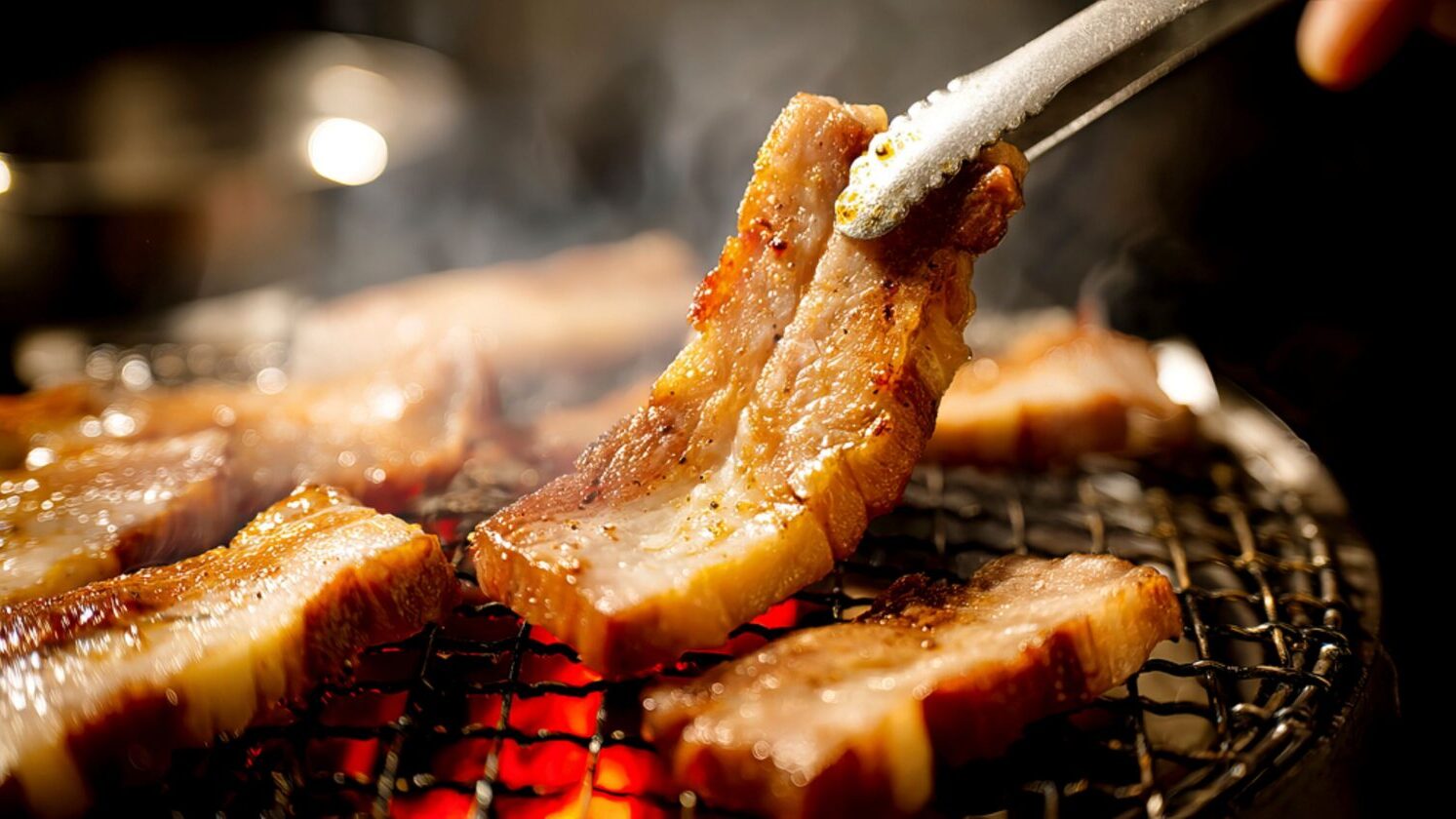
The specific regimen he chose at the time was a "lacto-ovo vegetarian" diet—where "lacto" refers to dairy products and "ovo" refers to eggs. Under this plan, Noh avoided meat such as beef, pork, and chicken, as well as fish and seafood, while continuing to consume eggs, milk, cheese, and yogurt. Plant-based staples like tofu, beans, grains, vegetables, fruits, and nuts rounded out his meals. Compared to strict vegans, lacto-ovo vegetarians enjoy significantly more dietary flexibility.
For high-performance athletes with heavy physical workloads, that distinction is crucial. Eggs and dairy provide accessible sources of high-quality protein, calcium, and vitamin B12. Still, a lacto-ovo diet does not automatically guarantee complete nutritional balance. If overall caloric intake falls short, athletes can struggle to meet their daily energy demands, potentially leading to deficiencies in protein, iron, and vitamin D.
A well-planned vegetarian diet tailored for athletic balance can supply all essential nutrients. However, existing research shows no definitive proof that vegetarian eating significantly improves athletic performance compared to a standard diet—nor does it hinder it. Ultimately, meeting overall caloric and protein requirements for training demands matters far more than whether an athlete eats meat.
Furthermore, Noh did not remain a lacto-ovo vegetarian permanently. He later reintroduced meat into his diet, alternating between vegetarian and meat-based meals depending on his schedule and physical needs. Consequently, his long-term success cannot be credited to a past lacto-ovo diet alone.
20 to 30 Minutes of Post-Game Cardio—Even in the Early Morning
Even more impressive than his dietary adjustments are the training routines Noh has maintained for years.
On days he pitches, Noh cools down immediately after the game by running or riding a stationary bike for 20 to 30 minutes. On days he does not throw, he prioritizes active recovery over forcing an unnecessary workout. He also incorporates weight training about twice a week.
Noh rarely skips a scheduled workout, even after grueling travel days. He has noted that even if he arrives back at the facility in Incheon at 2:00 or 3:00 a.m. following road trips to distant cities like Busan or Gwangju, he still completes his strength session the next day if it is an off-day. In 2024, he highlighted the importance of this consistency, recalling times he finished working out in the early morning hours right after returning from an away series before heading home to rest.
Crucially, Noh knows when to dial back. He carefully adjusts the intensity of his cardiovascular and strength training based on whether he pitched, how many consecutive days he has appeared, and the team's upcoming schedule. On non-pitching days, he sometimes opts for complete rest. For a pitcher in his 40s, strategic recovery is just as vital as physical exertion.
Physiologically, throwing a high-velocity fastball requires far more than upper-body strength. Pitching mechanics rely on rotational power generated in the lower body and transferred through the pelvis and torso into the shoulder and arm. A systematic review synthesizing 17 studies on adult baseball pitchers found that lower-body function—specifically hip strength and pelvic-torso movement—is strongly correlated with pitching velocity. In particular, researchers consistently observed that pitchers with greater hip strength tend to throw harder.
Attributing Noh's ability to touch 150 km/h at age 42 to any single habit is impossible. His longevity is the result of continuous self-experimentation—from testing a lacto-ovo diet to maintaining flexible nutrition—paired with a rigid routine of post-game cardio, weight training, and deliberate rest.
Noh is now setting his sights on the KBO’s all-time record for the oldest pitching appearance: 43 years, 7 months, and 7 days, currently held by legendary pitcher Song Jin-woo.