Carbohydrates are often the first nutrient targeted when people aim to manage weight or improve overall health. This has led many to cut back on white rice, a staple widely recognized for its high carbohydrate content. However, several foods commonly viewed as healthy everyday choices or light snacks actually contain more carbohydrates per weight than a serving of white rice.
Cooked white rice contains roughly 28 grams of carbohydrates per 100 grams, meaning a standard 210-gram bowl delivers about 59 grams of carbs. By comparison, several popular alternatives exceed this carbohydrate concentration per 100-gram serving.
Four Common Foods with Surprising Carbohydrate Density
A single bagel—a staple breakfast and lunch option—contains roughly 50 grams of carbohydrates per 100 grams. Because a typical bagel weighs well over 100 grams, consuming just one can deliver nearly double the carbohydrate load of a bowl of white rice. Furthermore, bagels generally lack dietary fiber, which plays a critical role in slowing glucose absorption. Low-fiber, high-carbohydrate foods can trigger rapid blood sugar spikes and contribute to weight gain.
Puffed rice snacks are frequently marketed as a light, diet-friendly option. Because they are airy and light, it is easy to overconsume them. However, per 100 grams, puffed rice snacks contain approximately 80 grams of carbohydrates—nearly 2.8 times the carb density of cooked white rice. Because the manufacturing process removes most moisture, the remaining weight is concentrated starch, making portion control crucial.
Roasted sweet potatoes are another popular breakfast substitute, but roasting evaporates moisture and concentrates their carbohydrate density to about 30 grams per 100 grams.
Dried dates also require caution for anyone monitoring weight or blood sugar. According to the U.S. Department of Agriculture (USDA), just four dates contain about 72 grams of carbohydrates. For weight management, health experts recommend limiting a single serving to two dates.
Focusing on Carbohydrate Quality and Nutrient Density
When incorporating carbohydrates into a healthy diet, health experts emphasize prioritizing carbohydrate "quality"—selecting foods higher in dietary fiber, protein, and essential micronutrients.
Quinoa is an ideal alternative. Native to South America, quinoa grains are smaller than rice but far more nutrient-dense. According to the USDA, 100 grams of quinoa provides 14 grams of protein—more than double the 6.6 grams found in cooked white rice. Quinoa also contains all essential amino acids typically lacking in grains, making it a valuable protein source for older adults and vegetarians.
Bananas provide another beneficial carbohydrate source. Rich in potassium and vitamin B6, they support cardiovascular health and blood pressure regulation. Slightly underripe bananas are particularly high in resistant starch, a type of fiber that nourishes beneficial gut bacteria and helps prevent rapid blood sugar spikes.
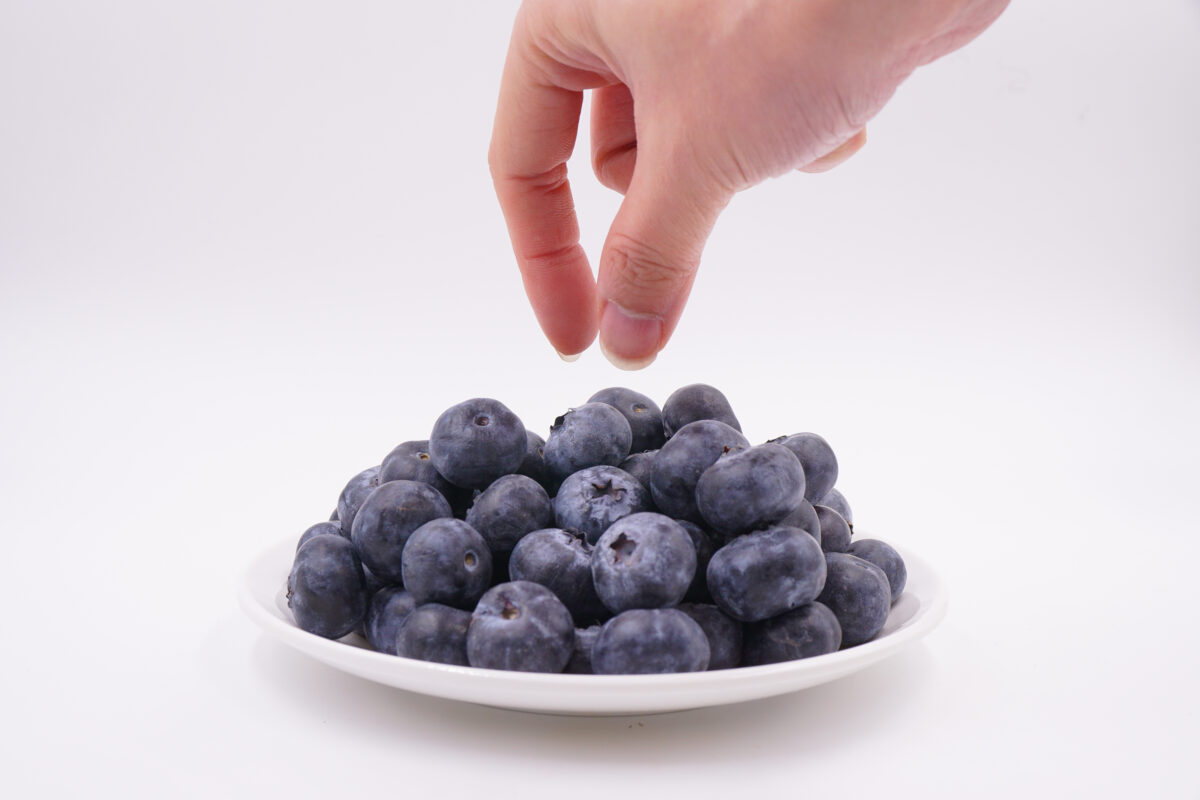
Blueberries and beets also offer healthy ways to replenish carbohydrates. Blueberries contain about 14 grams of carbohydrates per 100 grams and are loaded with anthocyanin antioxidants that curb cellular damage and inflammation. Beets are rich in inorganic nitrates that protect blood vessels, along with vitamin C, magnesium, and iron. However, because beets contain fermentable carbohydrates, individuals with sensitive digestive systems should consume them with caution to avoid bloating and abdominal discomfort.
〈Three-line summary〉
✔ Bagels, roasted sweet potatoes, puffed rice snacks, and dates contain more carbohydrates per 100g than white rice, requiring strict portion control.
✔ Successful weight management depends on choosing high-quality carbohydrates rich in dietary fiber and protein rather than simply cutting carbs.
✔ Quinoa, bananas, blueberries, and beets supply essential carbohydrates while delivering vital vitamins, minerals, and antioxidants.