For older adults, heart valve disease can be particularly difficult to detect. Symptoms often develop gradually, leading many patients to dismiss shortness of breath or persistent fatigue as ordinary signs of aging. Even after seeking medical care, aortic stenosis is not always immediately suspected.
In most cases, the diagnostic journey begins at a local neighborhood clinic or community hospital. A physician may detect a heart murmur during routine auscultation, a regular health screening may indicate cardiac abnormalities, or recurring dizziness and breathlessness may prompt an echocardiogram.
When tests reveal severe aortic stenosis, valve replacement becomes necessary. Historically, patients in South Gyeongsang Province faced significant hurdles in accessing Transcatheter Aortic Valve Implantation (TAVI), a minimally invasive procedure that replaces the damaged valve without open-chest surgery. The long travel to major medical centers in Seoul or Busan presented a heavy physical and financial burden for elderly patients and their caregivers, frequently delaying essential treatment.
Financial barriers were equally restrictive. National Health Insurance coverage with a 5% out-of-pocket copay was previously limited to patients over 80 who faced extreme surgical risk—defined by a Society of Thoracic Surgeons (STS) score exceeding 8%—or those deemed ineligible for open-heart surgery. Younger patients or those who failed to meet these strict criteria often faced out-of-pocket expenses ranging from 50% to 80%.
Following policy changes that took effect on July 6, insurance coverage has expanded. If a hospital’s multidisciplinary Heart Team unanimously approves TAVI as the necessary treatment, patients under 80—including those in their 60s and 70s—can now receive the procedure with a 5% copay.
Referral Pathways and Comprehensive Diagnostic Testing
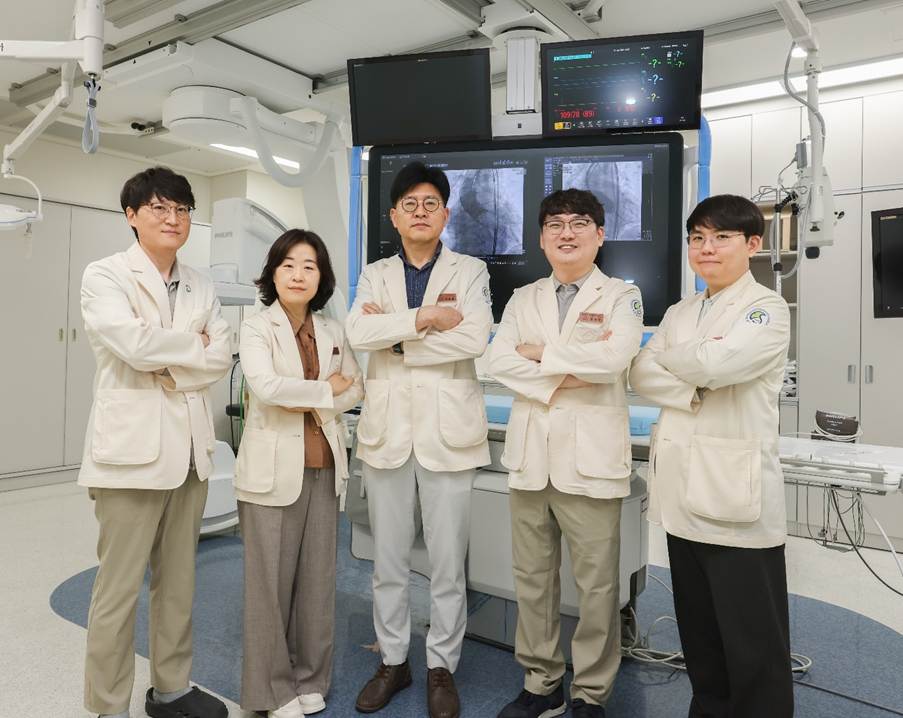
Patients with suspected valve disease typically arrive at Samsung Changwon Hospital, led by President Oh Joo-hyun, through two primary referral routes. In the first pathway, local clinics or secondary general hospitals identify signs of severe aortic stenosis and refer the patient directly to a certified TAVI-performing institution. The hospital must feature an integrated Heart Team comprising specialists in cardiology, cardiothoracic surgery, radiology, and anesthesiology.
The second pathway involves patients referred for general valve abnormalities. These individuals undergo initial outpatient consultations alongside diagnostic tests, including echocardiography, electrocardiography, and CT scans. If TAVI is determined to be a viable option, the case is transitioned to the TAVI team for multidisciplinary evaluation.
Regardless of the referral route, thorough diagnostic testing is required to determine whether a patient is best suited for ongoing monitoring, traditional open-chest surgery, or TAVI. The primary diagnostic tools are echocardiography, which evaluates valve narrowing and cardiac strain, and TAVI CT. Unlike standard CT scans, TAVI CT broadly assesses the heart, aorta, coronary arteries, and femoral access vessels.
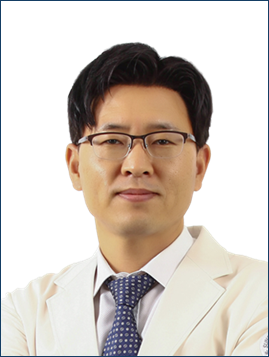
Park Yong-hwan, Head of the Cardiovascular Center at Sungkyunkwan University's Samsung Changwon Hospital, compares TAVI CT to "taking precise measurements for a custom-tailored suit." By capturing the exact moment the valve opens, measuring its dimensions, and analyzing vessel length and calcification, the medical team determines the appropriate artificial valve size and optimal access route.
Multidisciplinary Evaluation, Surgical Workflow, and Aftercare
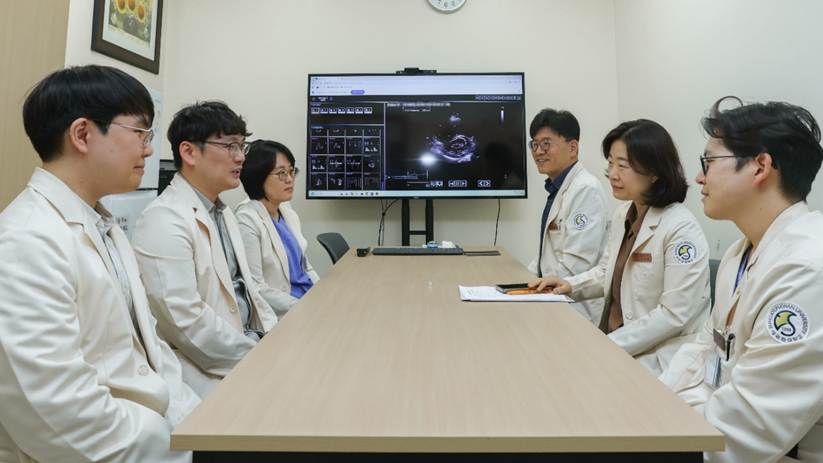
Even when referred with a confirmed diagnosis of severe aortic stenosis, patients undergo re-evaluation at the outpatient clinic. The medical team reviews blood work, repeat echocardiograms, and TAVI CT imaging before the multidisciplinary Heart Team convenes. Specialists in cardiology, cardiothoracic surgery, and cardiac imaging collectively evaluate whether the patient can tolerate surgery, confirm the technical feasibility of TAVI, and address any co-existing conditions, such as coronary artery disease, which may require stent placement prior to the valve procedure.
A standard treatment timeline involves hospital admission on Monday, pre-procedure preparation and coronary interventions if necessary, and the TAVI procedure on Wednesday. If the patient remains stable, discharge typically occurs on Friday.
Despite the relatively short hospital stay and quick recovery time, post-procedure management is critical. Clinicians closely monitor patients immediately following the procedure for potential complications, including arrhythmias, bleeding, neurological changes, and blood clots. Before discharge, patients and caregivers receive detailed instructions regarding medications, physical activity, warning signs, and outpatient follow-up schedules.
Post-discharge care involves structured follow-up evaluations at one week, one month, three months, six months, and one year. "While performing TAVI requires high technical skill, post-procedure management is equally vital to long-term success," emphasized Park Yong-hwan. "Evaluating valve function, monitoring for arrhythmias, and adjusting medications require extensive clinical experience in heart valve disease."
The Value of Regional Care at Samsung Changwon Hospital
For residents of South Gyeongsang Province, receiving TAVI locally provides continuous, comprehensive care without the physical strain of long-distance travel. Having a regional hub capable of managing detection, advanced testing, intervention, and long-term follow-up ensures seamless patient care.
Samsung Changwon Hospital’s role as a regional cardiovascular center builds on a long operational history. In 1986, the institution established the first cardiac center in South Gyeongsang Province and performed the region's first open-chest heart surgery. Although the hospital introduced TAVI in 2023, the program relies on four decades of accumulated surgical and interventional experience.
Frequently Asked Questions
Q. If a local clinic detects a heart murmur, should I visit a tertiary hospital immediately?
Not all heart murmurs indicate severe disease. However, if a murmur is accompanied by shortness of breath, chest pain, dizziness, or fainting—especially in older adults—an echocardiogram should be performed to evaluate valve function. If results indicate moderate to severe valve disease, specialized care is recommended.
Q. Will I need to continue visiting a major hospital long-term after receiving TAVI?
During the initial recovery period, follow-up care should be conducted at the hospital where the procedure was performed to monitor valve function, rhythm stability, and medication management. Once the patient's condition stabilizes, routine care may be co-managed with local clinics equipped for cardiac follow-up.
Q. Which post-procedure symptoms require immediate medical attention?
Patients should seek emergency medical care immediately if they experience sudden shortness of breath, chest pain, fainting, severe dizziness, altered consciousness, or bleeding and severe pain at the catheter insertion site.
Expert Reference: Park Yong-hwan is the Head of the Cardiovascular Center at Samsung Changwon Hospital. A graduate of Dongguk University College of Medicine with a Ph.D. from Dong-A University, he previously served as a clinical instructor in cardiology at Samsung Medical Center in Seoul. He currently serves as a Professor of Internal Medicine at Sungkyunkwan University School of Medicine and Chief of the Clinical Cooperation Center at Samsung Changwon Hospital.