Blood sugar naturally rises after a meal, but repeated sharp spikes can increase the risk of both diabetes and cardiovascular disease. As glucose floods the bloodstream following a meal, engaging your muscles boosts glucose uptake and prevents a rapid surge in blood sugar.
While taking a post-meal walk is a popular recommendation, you do not need to change into workout gear and head outside. Brief strength exercises or routine household chores can effectively raise your activity level. Moving intermittently to break up long stretches of sitting, alongside minor adjustments like changing the order in which you eat, can build an effortless daily routine that supports blood sugar control.
3-Minute Strength Moves to Clear Glucose
Post-meal walks are widely advocated for blood sugar management, but brief strength training has emerged as an equally effective alternative. Stair climbing, in particular, engages major muscle groups like the thighs and glutes in a short period. Because contracting muscles utilize glucose as their primary energy source, moving during the window when post-meal blood sugar peaks helps clear glucose directly from the bloodstream.
Researchers at San Diego State University evaluated blood sugar and insulin responses to post-meal stair climbing in healthy adults. Their study revealed that just one minute of stair climbing lowered post-meal blood sugar and insulin levels. When participants continued for three minutes or more, markers of insulin sensitivity improved significantly.
High-intensity effort is not required; participants climbed and descended stairs at a comfortable pace. Rather than pushing yourself to exhaustion, the goal is simply to engage large muscle groups, even briefly. In practice, taking the stairs instead of the elevator after eating is an easy way to manage blood sugar. Alternatively, performing 10 repetitions of lower-body exercises—such as squats, chair stands, or calf raises—yields similar benefits. For those with joint concerns, low-impact options like marching in place provide a safe starting point.

Beat Post-Meal Fatigue with Household Chores
Inclement weather during the rainy season often keeps people indoors, leading many to head straight for the couch to watch television or check smartphones after eating. During these moments, engaging in light household activities—such as clearing the table, washing dishes, vacuuming, or folding laundry—can make a substantial difference. While these chores may not feel like formal exercise, they are far better for blood sugar management than remaining sedentary.
The benefit lies not in the chores themselves, but in reducing continuous sitting immediately after eating. Chaining several quick tasks together—clearing the table, washing dishes, and wiping down the kitchen counters—naturally keeps you on your feet for 10 to 15 minutes.
This approach is especially beneficial after dinner, a time when many are tempted to relax immediately. Establishing a rule to avoid sitting right after eating ensures your post-meal activity level does not drop to zero, keeping blood sugar under control even on days when an outdoor walk is not an option.

Smart Eating Order and Intermittent Movement
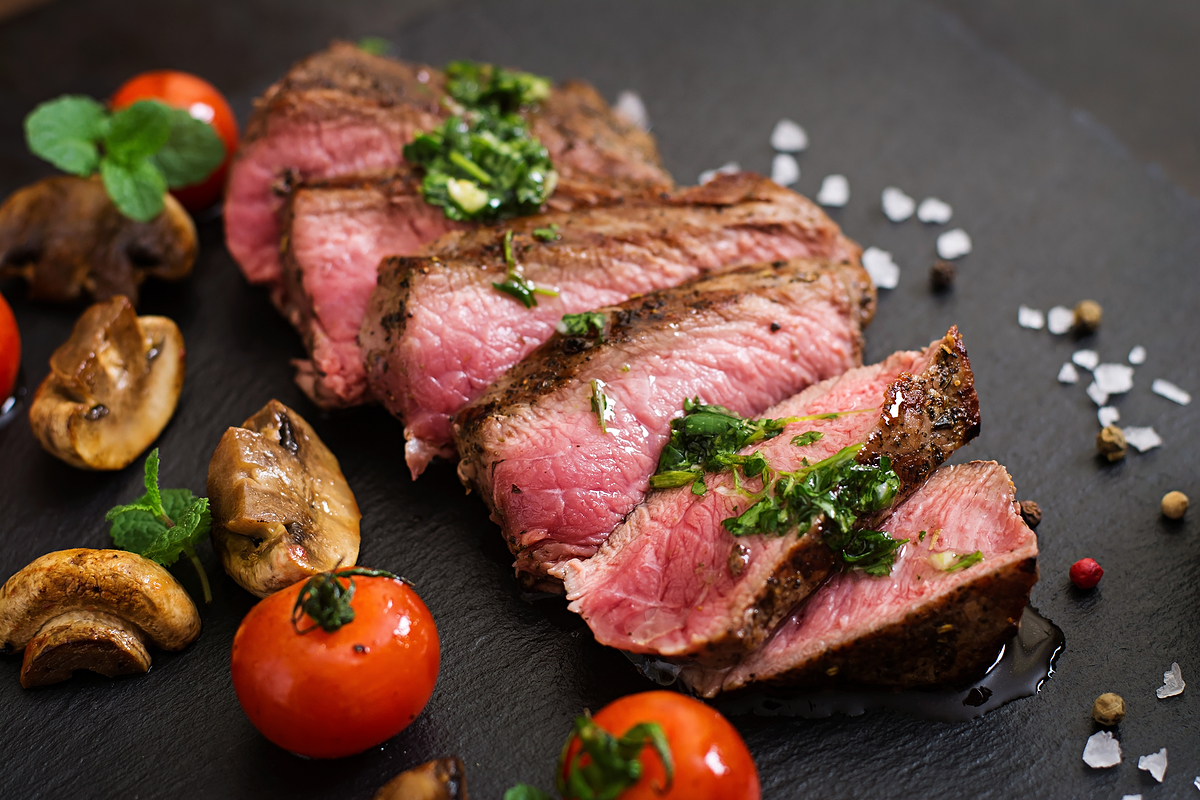
How you eat can be just as influential as how you move. Even when consuming the same menu, post-meal blood sugar responses vary depending on which foods you consume first. A widely endorsed strategy is to eat fiber-rich vegetables first, followed by protein side dishes, saving carbohydrates like rice or noodles for last. When vegetables and protein reach the stomach first, they slow down carbohydrate digestion and absorption, promoting a more gradual rise in blood sugar.
Supported by the Korean Diabetes Association and numerous clinical studies, this sequence is a practical habit for those who regularly eat white rice or noodles. When eating Korean meals, start with a few bites of vegetable side dishes—such as seasoned greens, mushrooms, or seaweed—before moving on to proteins like tofu, eggs, or fish, and finishing with rice. For mixed dishes like bibimbap or rice bowls, adapt by eating the vegetable toppings, egg, and meat first. However, changing the eating order does not eliminate the total carbohydrate count, so portion control remains essential.
Finally, even if you move immediately after a meal, sitting motionless for the next several hours offsets much of the benefit. Office workers in particular should aim to stand up every 30 minutes for a quick two to five minutes of movement. Whether getting a glass of water, walking during a phone call, or doing calf raises while waiting for the elevator, frequent short movements keep muscle metabolism active throughout the day.