As the human body ages, blood vessels gradually lose their natural elasticity. When arterial walls stiffen and vascular function declines, blood pressure rises more easily, significantly elevating the risk of atherosclerosis, as well as debilitating cardiovascular and cerebrovascular diseases. Because these physiological changes tend to accelerate sharply after middle age, managing daily lifestyle habits and dietary choices in tandem becomes a critical defensive strategy.
While regular exercise, avoiding smoking, and maintaining a healthy weight form the baseline for slowing vascular aging, consistently consuming foods rich in antioxidants, healthy fats, and targeted nutrients can actively support vessel integrity. Health professionals recommend integrating four specific whole foods into your regular meal rotation to safeguard vascular health.
Tomatoes: Lycopene Support to Reduce "Bad" Cholesterol Buildup
Tomatoes are a foundational dietary choice for vascular protection. Per 100 grams, tomatoes deliver approximately 2.5 to 4 milligrams of lycopene, 237 milligrams of potassium, and 14 milligrams of vitamin C. Lycopene is a remarkably potent antioxidant that helps prevent low-density lipoprotein (LDL) cholesterol from being oxidized by reactive oxygen species and adhering to arterial walls.
When oxidized LDL cholesterol accumulates within the endothelial lining, blood vessels narrow, driving the progression of atherosclerosis. By inhibiting this oxidative process, lycopene prevents the accumulation of "bad" cholesterol and minimizes subsequent vascular damage.
While raw tomatoes provide excellent nutritional value, lightly cooking them with olive oil significantly enhances the body's absorption of fat-soluble lycopene. Incorporating them into salads or sautéing them alongside eggs are highly effective preparation methods. However, when using commercial tomato products like ketchup or store-bought pasta sauces, consumers should carefully monitor the nutritional labels for hidden sodium and added sugars.
Beets: Nitrate Concentration for Blood Vessel Relaxation
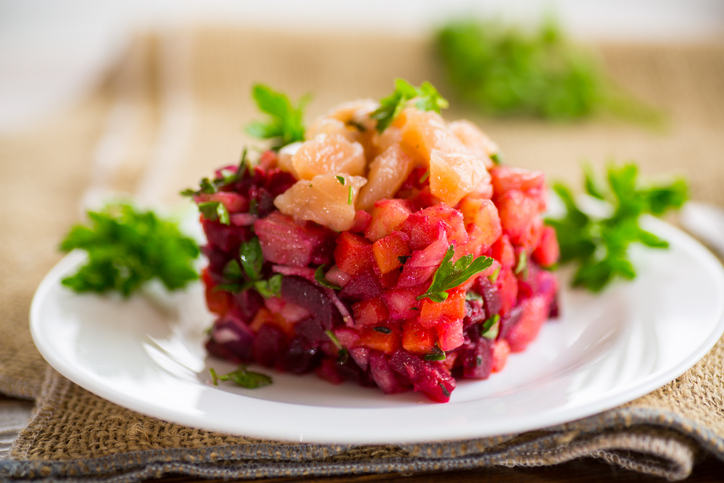
Distinguished by their vivid crimson hue, beets are exceptionally rich in natural nitrates, providing 109 micrograms of folate and 325 milligrams of potassium per 100 grams. Once ingested, the dietary nitrates in beets are converted by the body into nitric oxide, a crucial signaling molecule that dilates and relaxes blood vessels. According to data from the U.S. National Institutes of Health (NIH), nitric oxide optimizes blood flow and enhances systemic oxygen delivery.
When blood vessels relax, circulatory resistance decreases, allowing oxygen and essential nutrients to be delivered to muscle tissues more efficiently. Due to these vasodilatory effects, beets are highly valued not only for baseline vascular preservation but also for enhancing athletic and exercise performance.
Beets can be thinly shaved raw into salads, lightly steamed, or pickled as a condiment for lean meats and sandwiches. Blending them into a fresh juice alongside apples or carrots is another convenient option. However, beets also contain a relatively high concentration of oxalic acid—a naturally occurring plant compound. When excess oxalic acid binds with calcium in the body, it can crystallize into calcium oxalate, the primary component of most kidney stones. Consequently, individuals with a clinical history of calcium oxalate kidney stones should avoid excessive consumption.
Walnuts: Unsaturated Fats to Manage Triglycerides and Inflammation
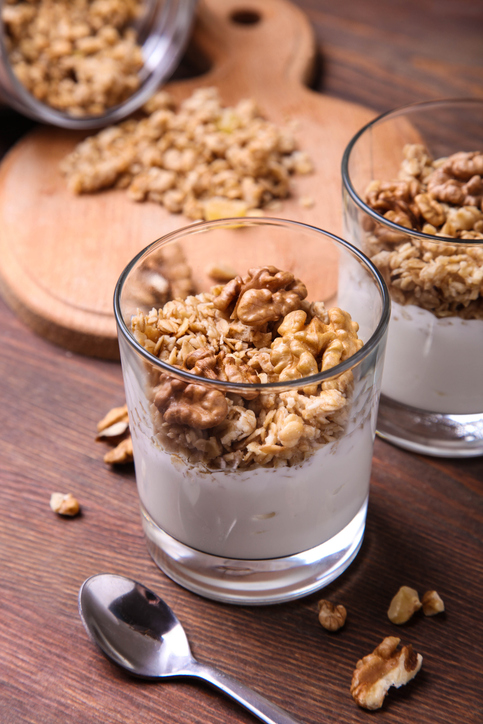
Among tree nuts, walnuts stand out for their distinct vascular benefits. Per 100 grams, walnuts supply 9 grams of alpha-linolenic acid—an essential plant-based omega-3 fatty acid—alongside 6.7 grams of dietary fiber. Omega-3 fatty acids are clinically recognized for their ability to suppress systemic inflammatory pathways and regulate blood triglyceride levels. Substituting the saturated fats found in highly processed snacks with a handful of walnuts can positively alter lipid profiles, ultimately lowering the risk of coronary heart disease.
Because walnuts are highly calorie-dense—yielding roughly 650 calories per 100 grams—strict portion management is necessary. A standard daily serving of about 25 to 30 grams, or a single handful, is ideal. They can be easily integrated into morning oatmeal, stirred into Greek yogurt, or utilized as a nutrient-dense salad topping. However, due to their high fiber and healthy fat content, eating them in excess can cause acute indigestion, abdominal bloating, or diarrhea.
Green Tea: Catechin Infusions for Endothelial Support
Green tea contains a dense concentration of polyphenols, most notably epigallocatechin gallate (EGCG) and other catechins. These catechins neutralize cellular damage triggered by reactive oxygen species and actively preserve the delicate function of endothelial cells lining the interior of blood vessels. Endothelial cells are responsible for regulating the smooth expansion and contraction of arteries; maintaining this regulatory framework is vital for uninterrupted blood circulation. Clinical studies indicate that regular green tea consumption improves endothelial function and assists in lowering serum LDL cholesterol.
Brewing and drinking one to three cups of green tea daily without adding sugar or processed syrups allows individuals to maximize catechin intake without consuming empty calories. However, because green tea contains natural caffeine that can interfere with sleep quality, those sensitive to stimulants should avoid consuming it in the late afternoon or evening.
Additionally, the tannins present in green tea can bind to non-heme iron—the plant-based form of iron found in food—and inhibit its absorption in the gut. Individuals managing iron-deficiency anemia or low iron stores should avoid drinking green tea directly with their meals, opting instead to leave at least a one-hour buffer after eating.