Walk into almost any coffee shop today, and the menu is guaranteed to feature an array of plant-based milk alternatives like soy, almond, and oat milk. What was once a niche option reserved for the lactose-intolerant has evolved into a mainstream lifestyle choice.
People reach for these alternatives for a variety of reasons—ranging from dietary restrictions and weight-management goals to a simple curiosity for new flavors. Crucially, many parents choose plant-based alternatives for their children, operating under the assumption that "plant-based" inherently equates to "healthier." But is this health halo entirely justified? A closer look at the nutritional profiles of these popular options reveals a much more complicated reality.
Soy Milk: The Closest Nutritional Match to Dairy
From a strictly nutritional standpoint, soy milk remains the closest equivalent to traditional cow’s milk. For context, a standard 200ml glass of dairy milk contains roughly 125 to 135 calories, 6 grams of protein, 7 to 8 grams of fat, and about 10 grams of sugar. In comparison, the same volume of standard soy milk typically delivers 100 to 130 calories, 6 to 7 grams of protein, 10 to 11 grams of carbohydrates, 5 to 7 grams of fat, and 7 to 8 grams of sugar. Thanks to its legume base, soy milk offers a robust protein punch that other plant-based alternatives struggle to match.
However, nutritional value can vary dramatically from one brand to another. Many modern formulations now offer high-protein versions boasting 12 grams or more per serving, while unsweetened varieties slash sugars to near-zero and drop calories to around 90. When shopping, it is vital to check the label for added sugars and ensure the product is fortified with essential nutrients like calcium and vitamin D. For the cleanest profile, look for brands that minimize artificial additives such as emulsifiers and thickeners.
Almond Milk: A Low-Calorie Beverage, Not a Nutrient Substitute
For those primary focused on cutting calories, almond milk is a highly popular alternative. Unsweetened versions are exceptionally light, containing a mere 30 to 40 calories per 200ml serving, and even sweetened varieties generally hover around a modest 60 calories.
While almond milk boasts a thin texture and very low fat content, it comes with a major nutritional compromise: it is virtually devoid of protein, typically offering only about 1 gram per serving. Furthermore, some flavored or sweetened versions contain surprisingly high amounts of added sugars. For these reasons, nutritionists often categorize almond milk less as a functional dairy substitute and more as a light, low-calorie beverage.
Oat Milk: Creamy and Latte-Friendly, but Carbohydrate-Heavy
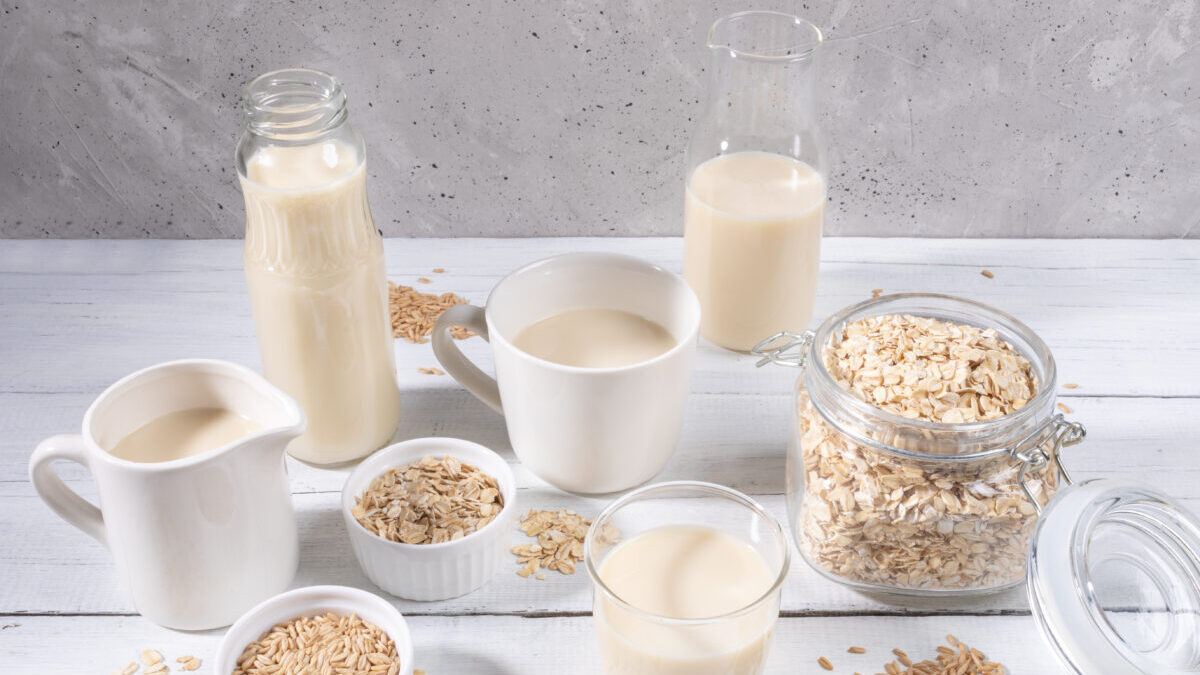
When it comes to mimicking the rich mouthfeel of dairy, oat milk reigns supreme. Its smooth, creamy texture makes it highly appealing, and specialty "barista" editions can easily be steamed into a dense, velvety foam. Because oat milk lacks the sharp, distinct aftertaste of soy or almond, it blends seamlessly with espresso, driving its explosive popularity in cafes worldwide.
However, from a purely metabolic perspective, oat milk is far less ideal. It is relatively low in protein—offering only about 3 grams per serving—while carrying a significantly higher carbohydrate and sugar load. Barista blends often feature added vegetable oils to help them steam smoothly, which can push their calorie count higher than standard whole milk. Because of its high glycemic impact, oat milk is generally not recommended for individuals trying to manage their blood sugar or lose weight.
Ultimately, the healthiest choice depends entirely on your specific wellness goals, and the best way to avoid nutritional pitfalls is to look past the "plant-based" marketing and read the nutrition label. If your priority is matching the protein and nutritional density of dairy, fortified soy milk remains the gold standard. If you want to minimize calories, unsweetened almond milk is your best bet. And if you simply want a creamy, satisfying addition to your morning coffee, oat milk is an excellent culinary choice—just be mindful of the extra carbs and calories.