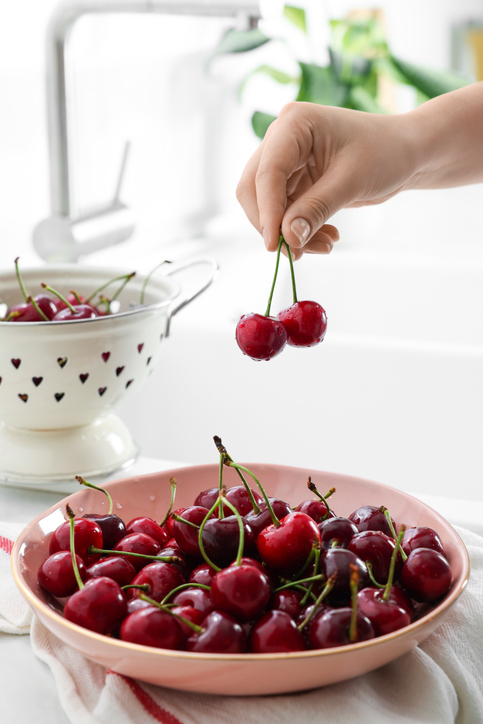
If you find yourself tossing and turning night after night, the solution might start with a simple adjustment to your evening routine: rethinking your late-night snack. Sweet-tart cherries are a natural source of melatonin, and integrating them into your diet can help regulate a disrupted sleep rhythm. Furthermore, they are packed with potent antioxidant compounds known as anthocyanins, which are particularly beneficial during the sweltering summer months when heat and humidity leave the body feeling depleted.
Natural Melatonin Support for Restful Sleep
Melatonin is the foundational hormone responsible for regulating circadian rhythms, governing the body's natural transitions between sleep and wakefulness. While insomnia can stem from numerous physiological and environmental factors, melatonin deficiency is a primary culprit. Late-night exposure to bright artificial lighting and smartphone screens frequently disrupts the body's natural secretion cycle. Because cherries are one of the few whole foods that naturally contain melatonin, they have become a major focus of sleep research.
The fruit's benefits vary significantly by variety. The fresh cherries typically found in supermarket produce aisles are sweet cherries, whereas tart cherries are more commonly sold as juices, concentrates, or frozen products. Notably, tart cherries possess a significantly higher concentration of melatonin than their sweet counterparts, making them the preferred choice for clinical studies. A 2023 study published in an international academic journal confirmed that tart cherry consumption successfully increased total sleep time and improved overall sleep efficiency, demonstrating their capacity to enhance both sleep duration and quality.
Antioxidant Power to Combat Seasonal Fatigue
The deep crimson hue of cherries is derived from anthocyanins, a class of polyphenol compounds renowned for their potent antioxidant activity. These compounds protect cellular health by neutralizing free radicals. During the summer, the cumulative impact of intense ultraviolet rays, oppressive heat, and sleep deprivation can leave the body feeling chronically worn down. Consuming antioxidant-rich fruits provides vital systemic support during these periods. Cherries also deliver essential doses of vitamin C and potassium, helping to replenish critical minerals lost through heavy sweating.
Their vibrant, sweet-tart flavor profile also serves as an excellent appetite stimulant when summer fatigue dampens your desire to eat. For those who frequently reach for late-night snacks high in processed sugar and saturated fats—such as cookies or ice cream—cherries offer an ideal alternative. Swapping processed sweets for a serving of cherries satisfies sugar cravings while providing dietary fiber and protective antioxidants.
Portion Management and Blood Sugar Considerations
Despite their extensive health benefits, cherries contain natural sugars, meaning moderation is essential. A 100-gram serving yields approximately 63 calories, 2.1 grams of dietary fiber, and 220 milligrams of potassium. A single handful per day—roughly 15 to 20 cherries—is generally sufficient for healthy adults.
Individuals managing diabetes or monitoring their blood glucose levels should exercise caution. Rather than consuming a large portion at once, it is best to split the intake into smaller servings of about 10 cherries, eaten as a post-meal snack to avoid sharp insulin spikes. Additionally, individuals suffering from irritable bowel syndrome (IBS), or those prone to abdominal bloating and frequent diarrhea after fruit consumption, should downsize their portions.
Proper Preparation, Safety, and Storage Techniques
When enjoying fresh cherries, discarding the pits is a critical safety step. The seeds inside the pits of Rosaceae fruits—including cherries, apricots, peaches, plums, and green plums—contain amygdalin, a chemical compound that can convert into toxic hydrocyanic acid inside the human body. While accidentally swallowing a pit whole rarely causes medical issues due to its durable outer shell, individuals must strictly avoid intentionally cracking, grinding, or consuming the inner seeds.
To maintain optimal texture, avoid soaking cherries in water for extended periods, as this causes the flesh to soften rapidly. For long-term freshness, store them unwashed in the refrigerator inside an airtight container or a plastic bag lined with a paper towel to absorb excess moisture, washing them only immediately before consumption. When sorting through a batch, consume cherries with dried stems or softened flesh first.
While fresh cherries are excellent on their own, pairing them with unsweetened Greek yogurt or a handful of nuts introduces clean protein and healthy fats, extending feelings of satiety. Alternatively, frozen cherries serve as an excellent, low-calorie replacement for ice cream when blended into sparkling water or plain yogurt.