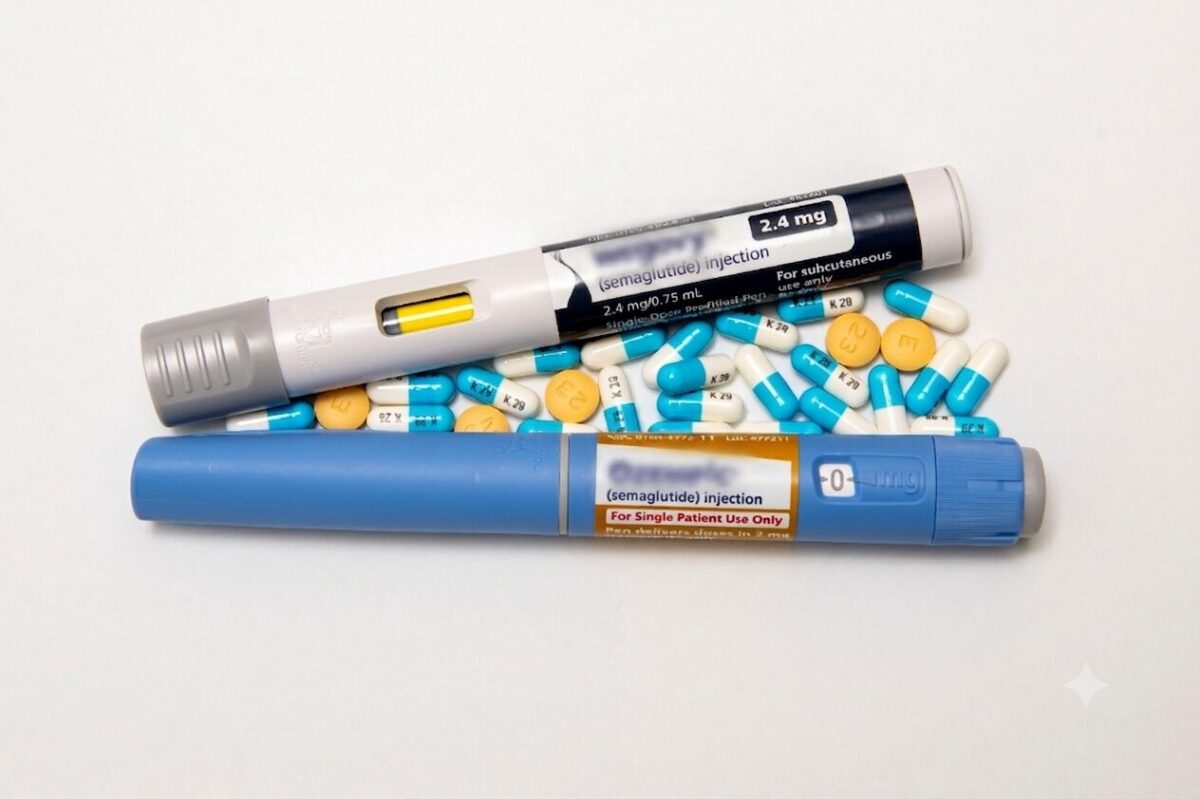
As global demand for anti-obesity medications surges, a fierce pharmaceutical race is underway to develop next-generation successors to blockbusters like Wegovy and Mounjaro. Amid this boom, a massive comparative analysis published in The BMJ has revealed a striking medical paradox: the drug that sheds the most pounds is not necessarily the best at shielding patients from fatal cardiovascular events.
An international research team led by investigators at the Sichuan University School of Medicine in China conducted a rigorous meta-analysis of 262 randomized clinical trials involving 99,791 adults with obesity. The study cohort carried an average age of 49 and an average body mass index (BMI) of 35, with clinical monitoring spanning from 12 to 172 weeks.
The data crowned tirzepatide—the active ingredient in Mounjaro and Zepbound—as the ultimate weight-loss agent, slashing average body weight by 14.9%. It outpaced a formidable field of competitors, including CagriSema (14.8%), oral semaglutide (10.9%), orforglipron (9.9%), subcutaneous injectable semaglutide (9.8%), and phentermine-topiramate (8.1%). Both tirzepatide and injectable semaglutide (the active ingredient in Wegovy) belong to the glucagon-like peptide-1 (GLP-1) receptor agonist class, which currently dominates clinical obesity management.
While tirzepatide demonstrated unparalleled potency in stripping away body fat, the analysis revealed a critical therapeutic trade-off: it also triggered the largest reduction in lean muscle mass. Clinicians note that this side effect underscores the absolute necessity of structured resistance exercise and dietary interventions to prevent muscle wasting during treatment. Across the board, gastrointestinal distress remained the primary hurdle for patients on GLP-1 therapies, with nausea, vomiting, diarrhea, and constipation frequently driving treatment discontinuation.
Cardiovascular Protection Patterns
When researchers pivoted from scale weight to cardiovascular preservation—a critical endpoint for high-risk obese patients—the hierarchy shifted dramatically. Subcutaneous injectable semaglutide emerged as the superior shield for the heart, delivering a 19% reduction in all-cause mortality, a 28% reduction in myocardial infarction (heart attack) risks, and a 57% reduction in heart failure instances.
In contrast, despite its unparalleled fat-burning metrics, tirzepatide did not demonstrate a statistically clear capacity to reduce all-cause mortality or heart attacks within this dataset, though it did lower heart failure risks by 51%.
“This study provides a definitive framework to help patients and clinicians weigh the distinct benefits and harms of each anti-obesity medication, allowing them to tailor selections strictly to individual treatment goals,” the research team concluded. They added that several next-generation compounds entering the market will require prolonged tracking to definitively verify their long-term survival benefits and safety profiles.