Severance Hospital announced on Tuesday that its medical team has successfully performed a complex, high-risk coronary intervention utilizing a miniature artificial heart pump in an 86-year-old patient.
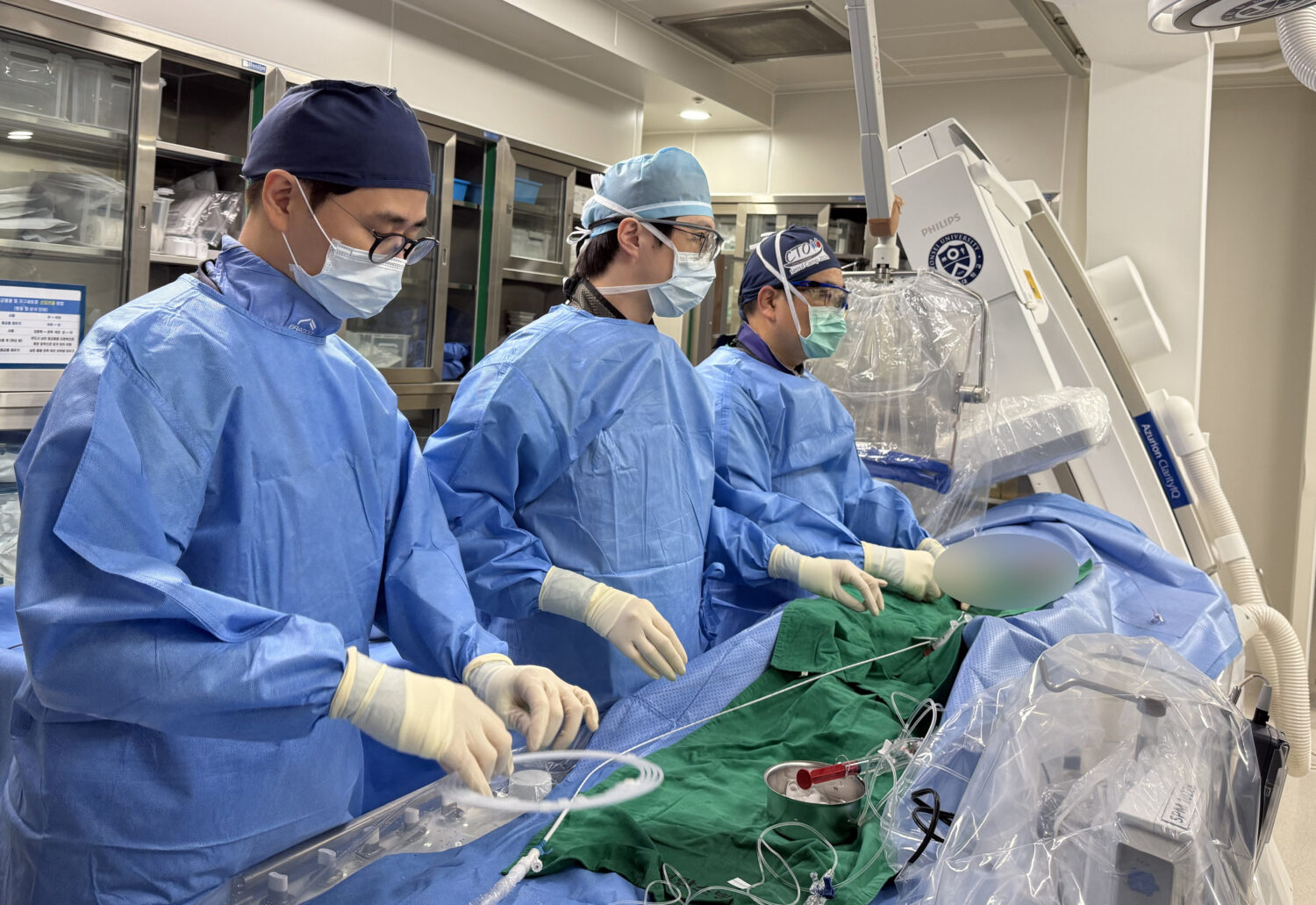
On September 14, a cardiology team led by Professors Ahn Cheol-min and Lee Sang-hyeop inserted an ultra-small mechanical circulatory support device known as the "Impella" into the patient, identified by his surname Kim, prior to reopening his blocked coronary arteries. Kim had a complex cardiac history, having previously undergone coronary artery bypass surgery as well as transcatheter aortic valve implantation (TAVI)—a catheter-based procedure used to replace a narrowed aortic valve.
Stabilizing Circulation During High-Risk Intervention
Kim faced a severe risk of cardiogenic shock and mortality due to significantly reduced heart function. Repeat open-heart surgery to address the narrowed coronary arteries was unfeasible given his advanced age, prior surgical history, and extensive calcium buildup within his blood vessels, which severely restricted blood flow.
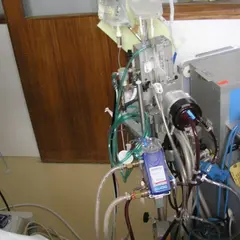
To maintain hemodynamic stability throughout the intervention, the medical team deployed the Impella device prior to clearing the vessels. Guided through the femoral artery in the thigh, the miniature pump rests inside the heart's left ventricle, drawing oxygenated blood and pumping it directly into the aorta. By temporarily taking over the pumping workload of the left ventricle, the device ensures consistent blood supply to vital organs even if the heart struggles during the procedure.
A Novel Treatment Path for Complex Cardiac Patients
With continuous mechanical circulatory support in place, the cardiology team successfully removed the calcified lesions obstructing Kim's coronary arteries. Following the intervention, Kim was monitored in the intensive care unit, transferred to a general ward the next day, and has since made a full recovery and been discharged.
Severance Hospital confirmed that this procedure represents the first case in South Korea where high-risk percutaneous coronary intervention (PCI) was performed using the Impella pump in a patient who had previously undergone TAVI. The team highlighted the case as a critical milestone, offering a viable, life-saving option for high-risk patients who have undergone multiple prior cardiac operations and aortic valve procedures.
"Given the patient's severely compromised cardiac function and anatomical complexity, the risk of blood pressure collapse and circulatory failure during the procedure was extremely high," said Professor Ahn Cheol-min. "By reducing the workload on the heart and maintaining systemic circulation with Impella, we were able to complete the procedure safely."
Professor Lee Sang-hyeop added, "We will continue to rigorously evaluate complex patient cases to build safe, state-of-the-art treatment protocols for high-risk cardiac care."