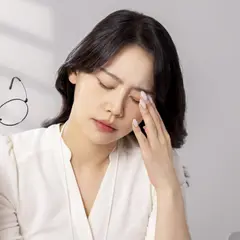
Every summer, many people notice their skin suddenly looking duller as fine lines become more pronounced. While intense ultraviolet (UV) radiation, high temperatures, and air-conditioned environments are widely recognized as primary catalysts for skin aging, everyday habits repeated without a second thought can quietly diminish skin elasticity, deepen wrinkles, and trigger hyperpigmentation.
1. Skipping Sunscreen on Short Outings
UV radiation remains the single largest contributor to premature skin aging, a process known as photoaging. Ultraviolet A (UVA) rays penetrate deep into the dermal layer, damaging the foundational collagen and elastin fibers that keep skin firm, while ultraviolet B (UVB) rays cause surface-level inflammation and dark spots.
The danger lies in the common misconception that brief exposure is harmless. Many choose to skip sunscreen when stepping out for quick errands or on overcast days. However, UV rays easily penetrate cloud cover and windows, meaning cumulative exposure from daily commutes or grocery trips adds up significantly. Experts recommend applying a generous amount of broad-spectrum sunscreen 20 to 30 minutes before stepping outside, with reapplication every two to three hours during extended outdoor activity.
2. Enduring Constant Air Conditioning
While air conditioning is a non-negotiable summer comfort, it can take a severe toll on skin health. Mechanically cooled spaces experience a sharp drop in humidity, which drastically accelerates the evaporation of moisture from the skin surface. As the skin barrier weakens from dehydration, fine lines form more easily and overall elasticity plummets.
For individuals spending long hours in offices or vehicles, this deep tissue dehydration cannot be resolved by heavy moisturizers alone. Maintaining optimal indoor humidity and drinking sufficient water throughout the day are vital steps. If your skin consistently feels tight or your makeup begins to cake and separate, your skin’s moisture balance may already be compromised.
3. Unconscious Squinting and Eye Rubbing
Under bright sunlight, many people automatically squint or tense the muscles between their brows. Repeated over time, these dynamic expressions gradually deepen into static lines that remain visible even when the face is completely at rest.
Compounding the issue is the habit of frequently rubbing the eyes, which irritates the exceptionally thin skin of the periorbital area and increases the risk of friction-induced hyperpigmentation. Wearing polarized sunglasses and a wide-brimmed hat when outdoors not only blocks harmful UV rays but also prevents the unnecessary muscle contractions that etch wrinkles into the skin.
4. Relying on Sugary Drinks to Stay Cool
Sweltering weather naturally drives people toward iced coffees, sodas, juices, and slushies. However, excessive sugar intake triggers a biological process known as glycation. In glycation reactions, sugar molecules bind to vital proteins like collagen and elastin, rendering these skin-firming fibers brittle, stiff, and prone to premature aging.
Beverages sweetened with high-fructose corn syrup are particularly problematic, delivering a massive dose of sugar to the bloodstream in a short window. Rather than genuinely quenching thirst, these drinks can disrupt fluid balance. Opting for water or unsweetened iced teas is an excellent alternative to preserve dermal integrity.
5. Sacrificing Sleep and Pushing Through Fatigue
Losing sleep to late-night smartphone scrolling or hot, humid nights directly hinders the skin’s natural repair cycle. Sleep is the primary window for cellular regeneration and barrier recovery; chronic deprivation undermines this process, leading to reduced elasticity, a compromised skin barrier, and a sallow complexion.
Furthermore, inadequate rest triggers a spike in cortisol—the primary stress hormone—which further degrades skin health. Ensuring a consistent routine of seven to eight hours of quality sleep per night remains one of the most effective, foundational anti-aging strategies available, outperforming even the most expensive topical cosmetics.