

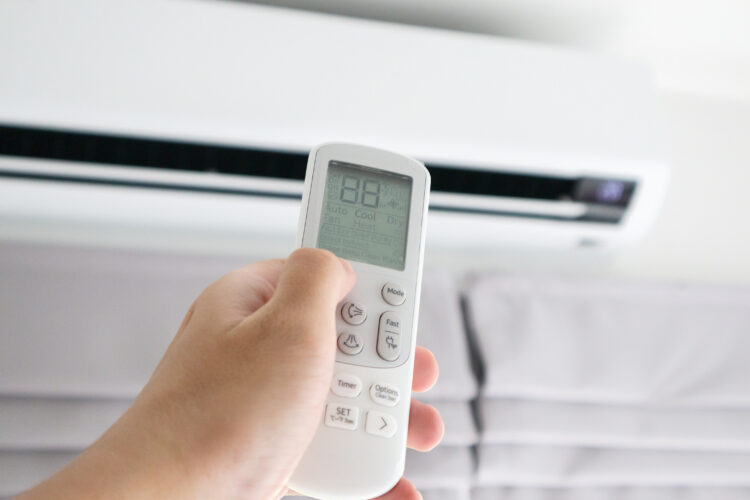
As early-summer heat ramps up, air conditioners are roaring to life for the first time this season. However, plunging the indoor temperature too low just to beat the heat can trigger "air-conditioning illness"—a condition characterized by a runny nose, headaches, and general fatigue.
Air-conditioning illness is primarily driven by a stark contrast between indoor and outdoor environments rather than a specific number on the thermostat. When air conditioning creates a wide temperature gap, the body’s autonomic nervous system struggles to adapt quickly enough, disrupting internal equilibrium.
Symptoms can vary widely. Common complaints include indigestion, muscle aches, and fatigue, alongside cold-like respiratory issues such as nasal congestion and a sore throat. Prolonged exposure to frigid indoor air can also cause peripheral blood vessels to constrict rapidly, occasionally resulting in temporary swelling of the face, hands, or feet.
Furthermore, spending long hours in sealed, cooled environments requires extra caution. Running an air conditioner for extended periods without fresh air ventilation dries out the room, parching the respiratory mucosa and leaving the body more vulnerable to viruses like the cold or flu.
Watching Out for Legionnaires’ Disease
In hot, humid weather, individuals must also guard against Legionnaires’ disease—a severe form of pneumonia caused by Legionella bacteria. These bacteria thrive in stagnant, warm water between 25°C and 45°C (77°F to 113°F). The interior of an air conditioning unit, where moisture readily accumulates during operation, provides an ideal breeding ground.
If Legionella bacteria multiply inside the unit and are dispersed into the room via the cold airflow, they present a health threat far more severe than standard air-conditioning sluggishness. For individuals with weakened immune systems, older adults, or those with underlying chronic conditions, exposure to the bacteria carries a high risk of progressing into severe pneumonia.
To mitigate this risk, run the air conditioner in fan-only mode for a short period after cooling to thoroughly dry out internal moisture. Maintaining strict hygiene through regular filter cleanings and consistent room ventilation is also essential.
Finding the Right Temperature Balance
To protect your health, medical experts recommend managing indoor climates so that the difference between the inside and outside temperatures does not exceed 5°C to 6°C (9°F to 11°F). Ideally, the thermostat should be set between 22°C and 26°C (72°F to 79°F), with relative humidity maintained around 50% to 60%.
For those who work in environments where frigid air is unavoidable—such as offices with centralized cooling or public transit—carrying a light cardigan can help guard against sudden drops in body temperature. Periodically drinking warm water is another excellent preventive measure to keep the respiratory mucosa hydrated.
Safe Cooling Practices for Better Sleep
During "tropical nights," when nocturnal temperatures remain above 25°C (77°F), many struggle with whether to leave the cooling on. While turning it off can lead to a night of tossing and turning, leaving it running continuously raises the risk of waking up sick.
Naturally, the human body begins to prepare for rest as its core temperature drops slightly about two hours before sleep. Running the air conditioner ahead of bedtime to bring the room down to a comfortable, slightly cool temperature in the low-to-mid 20s Celsius can significantly promote sound sleep.
However, keeping the AC at a low setting all night is discouraged. If you remain exposed to continuous cold air while your body temperature naturally dips during sleep, blood vessels constrict and your core temperature can fall excessively, triggering air-conditioning illness.
Instead, it is best to utilize the sleep timer function so the unit shuts off automatically after one to two hours. For the remainder of the night, switching to a fan and cracking a window slightly will encourage natural air circulation without overcooling the body. If running the air conditioner all night is absolutely necessary, the thermostat should be kept at a moderate, higher setting.











