

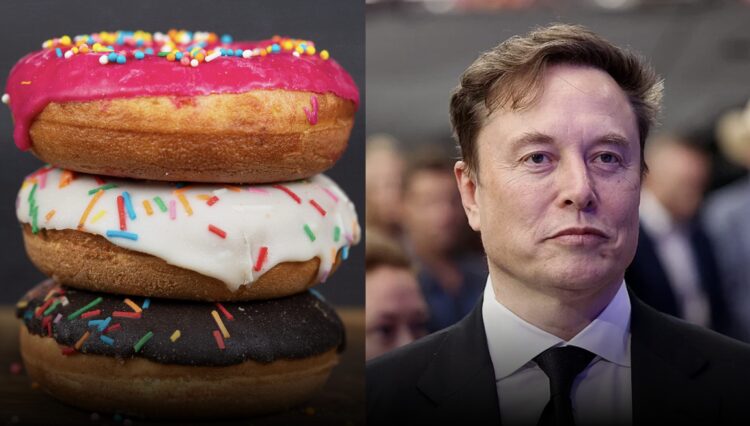
Tesla and SpaceX CEO Elon Musk, who once famously boasted that he would rather "eat delicious food and live a short life" while enjoying donuts every morning, has radically transformed his morning routine. The billionaire recently revealed that he has shifted toward a strict, protein-centered breakfast.
Speaking on the popular podcast The Joe Rogan Experience, Musk outlined his updated morning habits. "Now I don’t eat bread in the morning—I only eat steak and eggs," he said, highlighting his transition away from breakfast carbohydrates.
Musk explained that his decision was driven by productivity and metabolic stability. "Carbohydrates cause severe fluctuations that spike energy quickly and then bring it back down," Musk noted. In contrast, he found that "steak and eggs raise energy without fluctuations and help a lot in maintaining it throughout the day." By eliminating morning carbs, Musk aims to avoid the "blood sugar spike"—a phenomenon where blood glucose levels rapidly surge and crash after eating.
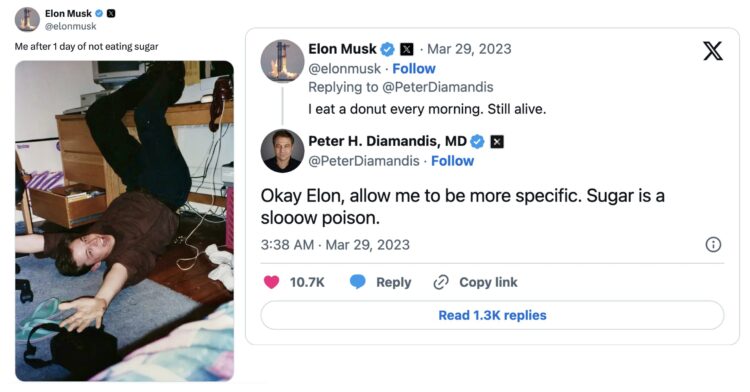
This represents a sharp pivot from his long-held stance on diet. Only a few years ago, Musk consistently championed the pure enjoyment of food over nutritional restriction. During a 2020 appearance on Rogan's podcast, he dismissed strict diets, and as recently as 2023, he declared on X (formerly Twitter), "I eat a donut every morning. Still alive."
His past culinary defenses are well-documented. He once remarked that if he had to choose only one food to eat for the rest of his life, it would be a cheeseburger. At one point, he caught public attention for consuming eight cans of diet cola per day. He even playfully countered arguments about the dangers of sugar, joking, "Cyanide and arsenic aren't harmless—so sugar is something I can eat."
The Science Behind the High-Protein Shift
The sudden reversal in Musk's dietary philosophy is likely a response to the physiological changes that become more apparent with age. To sustain his grueling work schedule, the executive sought a strategy to maintain steady, predictable energy levels throughout the day.
Nutritively, his reasoning is sound. Refined carbohydrates and high-sugar foods trigger immediate blood sugar spikes, which are inevitably followed by a sharp crash. These rapid glucose swings induce acute fatigue, sudden hunger, and a tendency to overeat later in the day.
Furthermore, the body's metabolic efficiency naturally declines over time. As people age, they gradually lose muscle mass—the primary tissue responsible for storing and metabolizing glucose. This loss reduces the body's capacity to process post-meal blood sugar. When accompanied by creeping insulin resistance, where cells become less responsive to insulin signals, metabolic efficiency drops significantly. Consequently, the exact same foods can produce far more taxing physical symptoms as the decades pass.
Faced with slower physical recovery and fluctuating stamina, Musk appears to have adopted a high-protein breakfast to secure optimal working conditions. Multiple nutritional studies support this approach, demonstrating that increasing protein intake at breakfast manages daylong blood sugar variability far more effectively than carbohydrate-heavy meals.
However, health experts caution against eliminating carbohydrates entirely from every meal. While focusing on protein and healthy fats at breakfast—much like Musk—can successfully prevent morning energy crashes, lunch and dinner should still feature balanced nutrition. Incorporating plenty of vegetables and complex, unrefined carbohydrates rich in dietary fiber, such as whole grains, salads, and potatoes, ensures the body's essential energy demands are met safely and sustainably.











