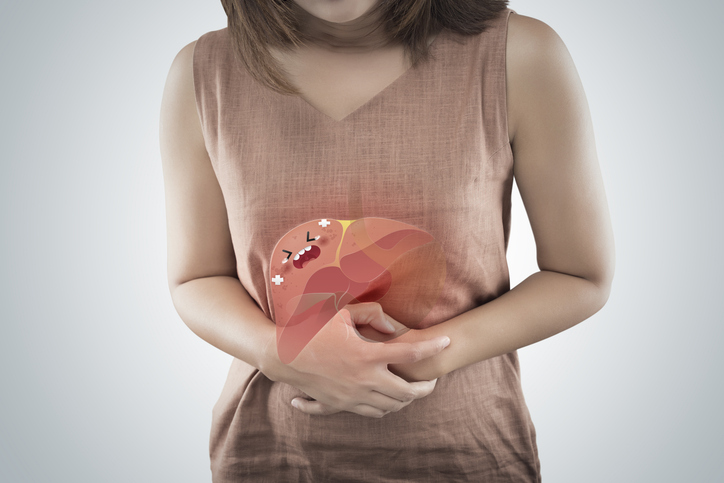
Concern over liver health is steadily intensifying worldwide. Fatty liver disease occurs when lipid accumulation exceeds 5% of the liver's total weight. While many traditionally associate the condition with heavy alcohol consumption, an increasing number of individuals develop fatty liver completely independent of alcohol use.
This condition is known as metabolic dysfunction-associated steatotic liver disease (MASLD), and it is primarily driven by underlying metabolic syndromes such as obesity and type 2 diabetes. In individuals with obesity, excess systemic energy is highly prone to being stored within liver tissue as fat. Furthermore, conditions like diabetes and insulin resistance accelerate the influx of free fatty acids into the bloodstream and stimulate de novo lipogenesis—the internal production of fat within the liver—thereby triggering or exacerbating MASLD. Patients with dyslipidemia, characterized by elevated blood lipid profiles, face a similarly heightened risk.
Shifting the Therapeutic Focus to the Gut Microbiome
The foundational pillar of MASLD management has long been weight loss achieved through rigorous exercise and dietary modifications. In clinical reality, however, sustaining significant weight loss over a lifetime proves exceptionally difficult for most patients. To find more viable interventions, a research team at the University of Jyväskylä in Finland investigated the intricate gut-liver axis, exploring how the intestinal microbiome and the liver continuously influence one another. Following promising animal models where optimizing gut microbiota via supplementation alleviated fatty liver, the investigators sought to validate these outcomes in a human trial.
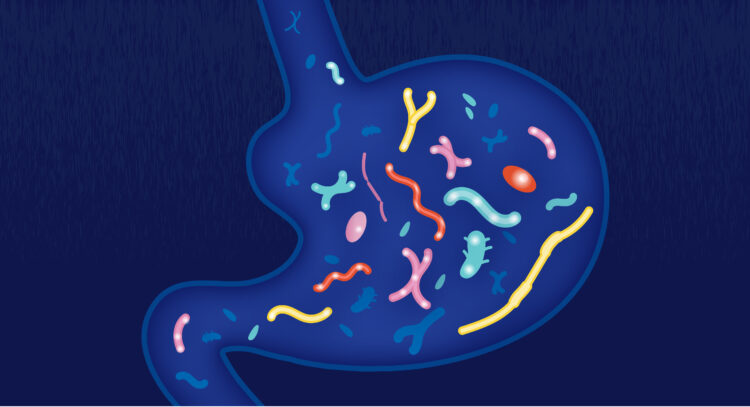
The clinical study enrolled 42 adult participants with an average age of 53.7 and a mean body mass index (BMI) of 33.5, all classified as overweight or obese and diagnosed with MASLD. After observing the participants’ baseline lifestyle patterns for one month, the researchers administered a daily dose of 2.8 grams of xylo-oligosaccharides over a four-month period. Xylo-oligosaccharides are a prebiotic dietary fiber that serves as a vital nutrient source for beneficial gut bacteria. Notably, South Korea’s Ministry of Food and Drug Safety also recognizes the substance as a functional health food ingredient that actively supports gastrointestinal wellness.
Following the four-month regimen, subsequent liver fat assessments revealed striking improvements among a distinct subset of the cohort. Specifically, 11 of the 42 participants experienced a 29% reduction in liver fat. This responder group also demonstrated modest but measurable improvements in obesity metrics, including declines in total body fat, visceral fat, abdominal fat, waist circumference, and serum cholesterol levels.
Unraveling the Underlying Metabolic Mechanism
Deep molecular analysis revealed a fascinating commonality among the 11 individuals who exhibited improved hepatic function. These participants possessed a baseline gut microbiome that primarily utilized proteins, rather than carbohydrates, as its principal energy source. When intestinal microorganisms ferment dietary protein, the metabolic process yields elevated levels of breakdown byproducts, including amino acids. A primary byproduct of this pathway is phenylacetate, a compound known to actively accelerate lipid accumulation inside liver cells.
When these specific individuals consumed xylo-oligosaccharides, the influx of prebiotics induced a metabolic shift, prompting a higher proportion of their gut microbes to utilize carbohydrates for energy instead. Consequently, systemic phenylacetate levels dropped precipitously, effectively mitigating the lipogenic burden on the liver. The research team hypothesized that the remaining participants—who did not exhibit substantial clinical improvements—likely suffered from more advanced stages of MASLD, where the structural hepatic damage had become less responsive to microbial intervention.
While the findings are promising, the study carries clear methodological limitations. The sample size was confined to 42 individuals, and the positive responder group accounted for roughly one-quarter of the total cohort. Furthermore, the trial lacked a randomized control design and a placebo comparison group; instead, all participants uniformly transitioned to the xylo-oligosaccharide regimen after the initial baseline observation period.
Nevertheless, the researchers落emphasized that the trial successfully confirmed the therapeutic potential of xylo-oligosaccharides for carefully selected fatty liver patients. Building upon these insights, the team plans to initiate a large-scale clinical trial aimed at designing highly personalized microbial therapies for metabolic liver diseases. This study was conducted independently, receiving no external sponsorship or research funding from the prebiotic industry.