Long-term care facilities house many residents in their 60s who are living with dementia or the severe aftereffects of a stroke, such as paralysis or vision impairment. Even when cognitive function remains completely clear, these physical limitations leave individuals entirely dependent on caregivers. Historically, older generations referred to this frightening sudden affliction as pung (wind stroke).
Entering your 50s represents a critical window for extending your health span—the period of life spent in good health. If your current diet is poor, implementing swift nutritional changes and regular exercise is essential. In particular, incorporating foods that actively support the brain's blood vessels can drastically alter your long-term health trajectory.
Managing Cardio-Cerebrovascular Risk for a Stable Future
The Korea Disease Control and Prevention Agency (KDCA) emphasizes avoiding high-sodium foods while increasing the intake of whole grains, vegetables, legumes, and fish. These recommendations are designed to combat cardio-cerebrovascular disease, an umbrella term for conditions affecting the heart, brain, and connecting vasculature. It includes angina, myocardial infarction (heart attack), stroke (encompassing both cerebral infarction and cerebral hemorrhage), hypertension, and heart failure.
For couples, safeguarding vascular health is the cornerstone of a stable retirement. If one spouse suddenly collapses and faces a long-term disability, both emotional well-being and financial security can quickly slip out of reach.
The Lifelong Benefits of Oily Fish and Nuts
Despite the well-known health benefits of fish, average consumption remains lower than expected. Oily fish—such as mackerel, Spanish mackerel, tuna, Pacific saury, and salmon—are densely packed with unsaturated fatty acids, including the vital omega-3 fatty acids EPA and DPA. These healthy fats lower blood pressure, reduce systemic inflammation, and decrease harmful low-density lipoprotein (LDL) cholesterol. By preventing the formation of blood clots that can occlude cerebral and coronary arteries, regular fish consumption ensures smooth blood flow, supports cognitive function, and helps ward off vascular dementia.
Beyond vascular protection, fish serves as an excellent source of high-quality protein. Maintaining a target of approximately 20 grams of protein per meal helps meet the recommended daily requirement of 50 to 70 grams. For instance, a single palm-sized portion of mackerel (roughly 100 grams) provides about 20 grams of protein—making it highly comparable to a standard 100-gram chicken breast. Because muscle mass decreases rapidly during middle age, pairing adequate protein intake with resistance training is paramount.
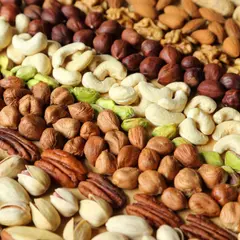
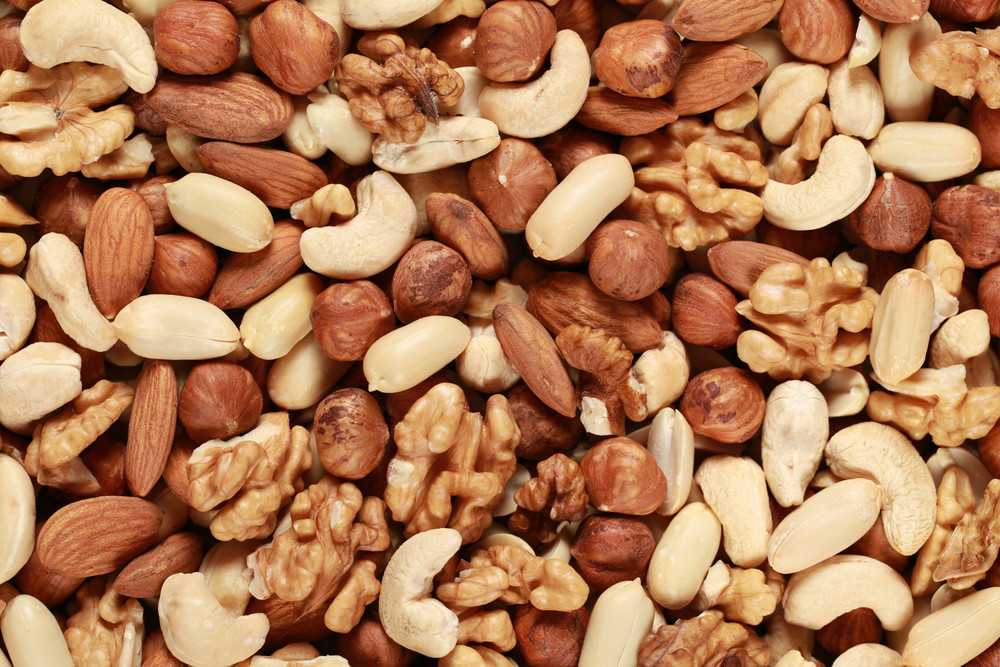
Nuts offer a complementary defense system for the cardiovascular network. Rich in unsaturated fats, a daily serving helps lower harmful triglycerides and cholesterol, preventing the lipid accumulation that narrows blood vessels.
Peanuts are loaded with unsaturated fatty acids that help prevent arteriosclerosis (hardening of the arteries), along with a balanced mix of essential amino acids, potassium, niacin, and vitamins B1, B2, B5, and E to support memory and respiratory health.
Ginkgo nuts contain ginkgolic acid, which facilitates blood circulation and aids in clot prevention.
Walnuts are highly concentrated in linolenic acid and vitamin E, both of which protect vascular linings and eliminate metabolic waste products.
However, because healthy fats are still calorically dense, portion control is necessary to avoid unintended weight gain. Consumption of walnuts and peanuts should be limited to a single handful per day. Swapping out sugary afternoon cookies for a handful of nuts is an excellent strategy to improve vascular health while preventing overeating at dinner.