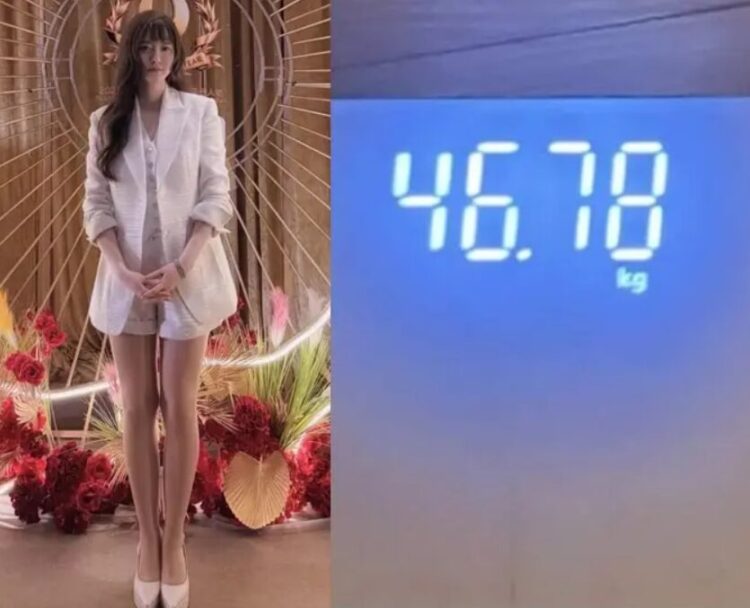
Actor Koo Hye-sun has captured public attention by sharing photos of herself modeling a school uniform, showcasing a remarkably slender physique following a highly publicized 14-kilogram weight loss.
The 42-year-old star recently posted several images to her social media accounts alongside the captions, “See you on the home-shopping live,” and “The CEO is hard at work.” In the photos, Koo pulled off a polished school uniform look complemented by youthful styling. The concept was intentionally designed to build rapport with students—the primary target demographic for a specialized hair-roller product she personally researched, developed, and patented.
Koo previously made headlines after transparently revealing that her weight had climbed into the 60-kilogram range. After committing to a disciplined lifestyle overhaul, she successfully dropped down to 46 kilograms. She attributes her physical transformation to three foundational health pillars: prioritizing sleep, abstaining from alcohol, and maintaining a low-sodium diet.
The Role of Quality Sleep in Appetite Regulation
Among Koo’s weight-loss strategies, securing sufficient sleep is a critical biological factor. When the body is deprived of rest, levels of ghrelin—the hormone responsible for stimulating hunger—rise significantly, while levels of leptin—the hormone that signals fullness—drop. This hormonal imbalance drastically increases the likelihood of overeating and giving in to cravings.
Conversely, getting consistent, adequate sleep stabilizes hormone secretion, supporting cellular recovery and efficient fat metabolism. However, sleeping excessively or maintaining an erratic sleep schedule can disrupt the body's natural circadian rhythm. Health experts recommend going to bed at a consistent time each night to secure roughly 7 to 8 hours of high-quality, uninterrupted rest.
Eliminating Alcohol to Prevent Metabolic Stalling
Eliminating alcohol from a daily routine yields immediate, direct improvements in weight management. Alcohol is relatively calorie-dense, delivering approximately 7 kcal per gram. Because the human body recognizes alcohol as a toxin, the liver prioritizes metabolizing it ahead of all other nutrients; as a result, fat oxidation stalls, causing dietary fats to accumulate rather than burn.
Furthermore, alcohol consumption chemically triggers an increase in appetite while lowering inhibitions, frequently prompting individuals to consume high-fat, high-sodium side dishes that sharply inflate total caloric intake. Choosing abstinence not only eliminates these empty calories but also restores proper liver function and optimizes the body’s fluid balance.
Reducing Sodium to Combat Fluid Retention
Adopting a low-sodium diet is highly effective for reducing physical bloating by preventing excess sodium from causing systemic water retention. High sodium intake alters osmotic pressure, leading the body to store unnecessary fluids in its tissues, which manifests as visible edema and an increase on the scale.
For those working to lose weight, managing sodium intake is essential. Dietary plans should favor fresh, potassium-rich vegetables that actively assist the kidneys in flushing out excess sodium, while strictly avoiding processed foods and heavy, broth-based meals. When preparing food at home, replacing table salt with alternative flavor enhancers like fresh herbs, spices, vinegar, or lemon juice can add vibrant depth to a dish without introducing unwanted bloating.