Waking up to a swollen face in the mirror can instantly trigger regret over the previous night's late-night indulgence. Consuming sodium-heavy meals like ramen, tteokbokki, or processed delivery food causes sodium levels in the blood to spike rapidly. To regulate this delicate osmotic balance, the human body compensates by retaining excess water, making facial puffiness far more pronounced than usual the following morning.
While morning facial puffiness can stem from a variety of sources—including static sleeping positions, alcohol consumption, overall physical fatigue, or cyclical hormonal fluctuations—a consistent habit of eating highly salted foods remains a primary contributor. Managing this swelling requires paying closer attention to the sodium-potassium balance in your everyday diet. Potassium plays a vital role in encouraging the kidneys to excrete excess sodium. Incorporating potassium-dense fruits and vegetables into your meals can naturally alleviate fluid retention and restore systemic equilibrium.
Overhauling an entire diet overnight can be challenging. If cutting out late-night snacks entirely feels unrealistic, you can counteract their physical effects by keeping the next morning's meals exceptionally light and choosing smarter whole-food alternatives. Beyond familiar pantry staples like bananas, options such as avocados, oranges, beets, and sweet potatoes offer excellent metabolic support. Focusing on unrefined, whole-food sources allows you to efficiently supply your body with the necessary micronutrients to stimulate fluid release. Here are five functional foods that can enhance your body's innate ability to flush out sodium.
Oranges: Best Consumed Whole Rather Than as Juice
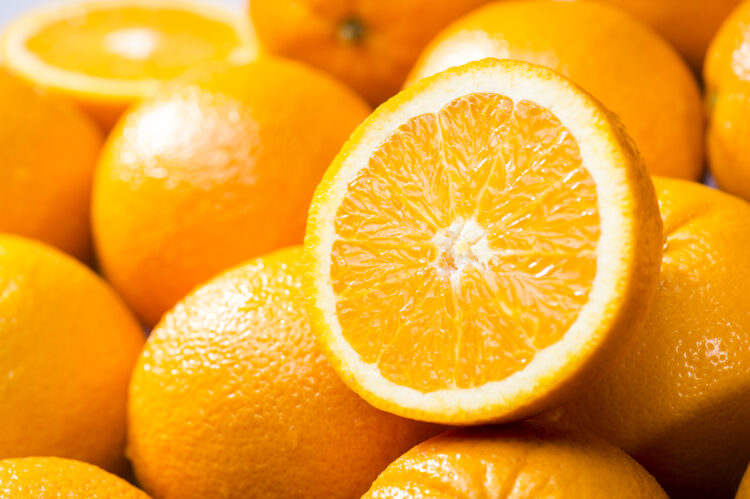
Oranges may not be the first food that comes to mind for reducing fluid retention, but they are exceptionally high in natural potassium and contain an abundance of cellular moisture. This combination makes them an excellent therapeutic choice for individuals looking to balance a high-sodium diet. Official materials from the Seoul Metropolitan Government Research Institute of Public Health and Environment explicitly highlight both oranges and sweet potatoes as a superior, reliable dietary source of potassium.
The bright, tangy flavor profile of a fresh orange can also stimulate an otherwise sluggish morning appetite. However, it is far better to consume the fruit whole rather than drinking it as a processed juice. Juices are consumed too quickly and can dramatically increase your immediate sugar intake depending on the commercial product, whereas the fiber in whole fruit slows absorption. Incorporating half to a full orange into your morning routine, adding segments to a fresh breakfast salad, or enjoying it as a post-meal dessert can maximize these nutritional benefits.
Beets: Introduce Gradually to Salads to Soften the Earthy Profile
Beets, recognizable by their deep crimson hue, are a powerhouse root vegetable that can be consumed raw, though their firm texture and distinct, earthy aroma can sometimes be polarizing for beginners. If beets feel unfamiliar to your palate, try slicing them into thin, delicate strips or grating them directly into breakfast salads. Pairing them with crisp, sweet ingredients like apples, oranges, or fresh cabbage effectively mellows their robust aroma while adding a vibrant visual contrast to your table.
Alternatively, thinly sliced beets can be lightly seasoned or quick-pickled to serve as a refreshing vegetable side dish. Adding an acid like vinegar or fresh lemon juice tempers the beet's earthy undertones, yielding a tangy flavor that makes them far easier to enjoy. However, because commercial or home-pickled variations often rely on a combination of salt, sugar, and vinegar, excessive consumption can inadvertently raise your sodium and sugar intake. Keeping your portions moderate is key to reaping the benefits.
Bananas: Pair with Oatmeal for a Naturally Sweet, Potassium-Rich Breakfast
Bananas are widely celebrated as a highly accessible and convenient source of dietary potassium. Requiring no preparation beyond peeling, their soft texture and portability make them an incredibly convenient breakfast component or midday snack. Topping warm, cooked oatmeal with thinly sliced bananas introduces a natural, unrefined sweetness, while a small handful of heart-healthy nuts can significantly extend satiety throughout the morning.
While bananas offer a quick, efficient method to elevate potassium levels, they also contain a notable amount of natural sugars. To maintain a balanced diet, it is best to regulate your intake rather than consuming multiple bananas at once. Furthermore, when blending bananas into milk or yogurt smoothies, it is advisable to rely entirely on the fruit's natural sugars and omit additional honey, syrups, or sweetened toppings.
Sweet Potatoes: A Nutritious Staple with a Kimchi Caveat
Boasting a naturally rich flavor, sweet potatoes serve as a highly satisfying and energy-dense breakfast option. Steaming or roasting a batch ahead of time allows for a quick, grab-and-go meal on busy mornings. Pairing a sweet potato with a boiled egg or a serving of unsweetened yogurt creates a well-rounded, nutritionally dense meal that remains exceptionally gentle on the stomach.
In Korean culinary tradition, pairing sweet potatoes with kimchi is a universally beloved combination. Materials from the Rural Development Administration indicate that the rich potassium content in sweet potatoes actively helps the body excrete the high amounts of sodium found in fermented dishes like kimchi, establishing a reasonable nutritional balance during consumption.
However, this metabolic synergy should not be used as an excuse to routinely pair sweet potatoes with heavily salted side dishes, such as commercial kimchi, pickles, or salted seafood (jeotgal), as doing so can easily lead to an overall surplus in sodium intake. To optimize health benefits, it is best to enjoy sweet potatoes with minimally seasoned proteins like nuts, milk, or eggs. Additionally, because cooking methods like roasting or drying concentrate the natural sugars and calories in sweet potatoes, keeping an eye on portion control is essential.
Avocados: Promote Satiety with Healthy Fats, but Mind the Salty Pairings
Frequently featured in modern breakfasts and open-faced sandwiches, avocados are dense in potassium and provide a smooth, buttery texture that complements a wide array of ingredients. When paired with eggs, fresh tomatoes, and whole-wheat toast, they deliver a deeply satisfying meal that feels complete without heavy seasoning, eliminating the need for high-sodium processed meats like ham or bacon.
While avocados are packed with heart-healthy monounsaturated fats, they are also calorie-dense, making portion awareness important. A single serving of roughly half an avocado is generally sufficient for a balanced breakfast. Smothering them in heavy mayonnaise or salty commercial dressings will quickly offset their health benefits; instead, try enhancing their natural flavor with a light squeeze of fresh lemon juice, cracked black pepper, and a drizzle of extra virgin olive oil.
Freshly prepared guacamole—made by mashing avocado with diced onions, tomatoes, and lemon juice—is another excellent option. However, pairing guacamole with highly salted tortilla chips or processed crackers can rapidly drive up sodium intake. To keep the meal functional and anti-inflammatory, opt for serving it alongside fresh vegetable sticks or spread over whole-grain toast.
A Crucial Note on Kidney Health: While potassium-rich diets are highly effective for healthy individuals looking to manage sodium levels and fluid retention, they are not universally appropriate. Individuals with reduced kidney function or those who have been medically advised to manage chronic kidney conditions must consult with a healthcare professional before altering their potassium intake, as improper management can lead to dangerous complications like hyperkalemia.