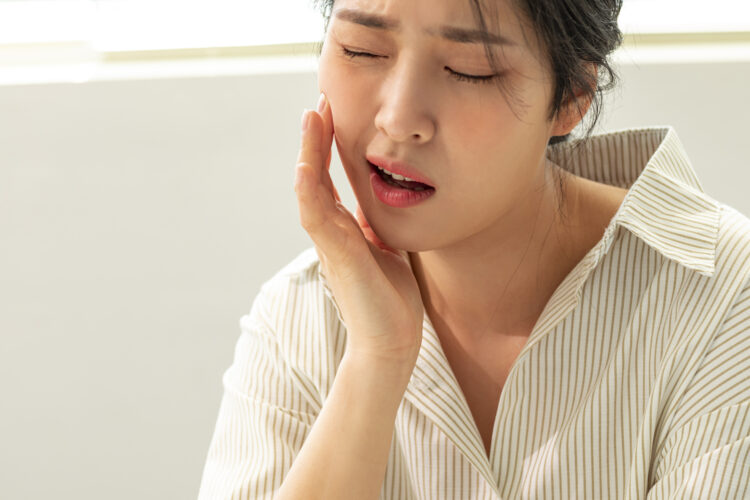
Teeth are often regarded as one of life’s greatest blessings; when dental health fails, even the finest meals lose their appeal. While many people are cautious about sugary snacks, some of the most significant damage comes from a seemingly harmless habit.
Dentist Park Sang-jae recently shared a list of the "five worst foods for your teeth" on social media. He ranked them as follows:
Ice
Soda
Lemons and Grapefruit
Jelly and Hard Candy
Dried Fruit
The Hidden Risk of "Clean" Snacks
Dr. Park Sang-jae’s primary warning was clear: "Stop crunching ice." The danger does not lie in the temperature, but in the physical act of biting down on a hard, frozen substance. Because ice is sugar-free and composed of pure water, many mistake it for a safe snack. However, its extreme hardness poses a severe risk to dental integrity.
Enamel, the outermost layer of the tooth, is the hardest tissue in the human body, yet it remains highly vulnerable to repeated mechanical impacts. When you habitually crunch ice, microscopic cracks form in the enamel. Over time, these structural weaknesses accumulate, eventually leading to chipped, cracked, or fractured teeth.
Furthermore, the near-zero temperature can irritate the dental pulp, leading to chronic sensitivity. Teeth that have undergone restorative procedures—such as crowns or resin fillings—are particularly susceptible to failure under this pressure. While occasionally letting ice melt in your mouth is harmless, chewing it should be avoided. For those who feel the urge to chew due to stress, Dr. Park recommends switching to sugar-free gum.