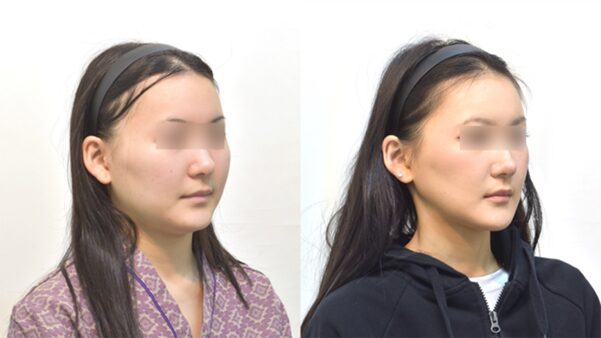
I was recently invited to lecture by the Anti-Aging Research Society of the Korean Society of Plastic and Reconstructive Surgeons. Discussing "lifting" in a room full of the nation’s top facelift specialists is a nerve-racking task for a surgeon whose primary focus is bone surgery. However, the reception was incredibly warm—likely because post-contouring cheek sagging is a complex problem that even the most seasoned facelift experts find difficult to resolve.
Why Aging and Post-Contouring Sagging are Different
A traditional facelift is designed to address aging. When skin elasticity decreases, surgeons elevate the superficial layers, such as the skin and the SMAS (superficial musculoaponeurotic system). While younger patients often seek facelifts to fix sagging that developed after contouring surgery, a typical SMAS or deep-plane lift is rarely a fundamental solution.
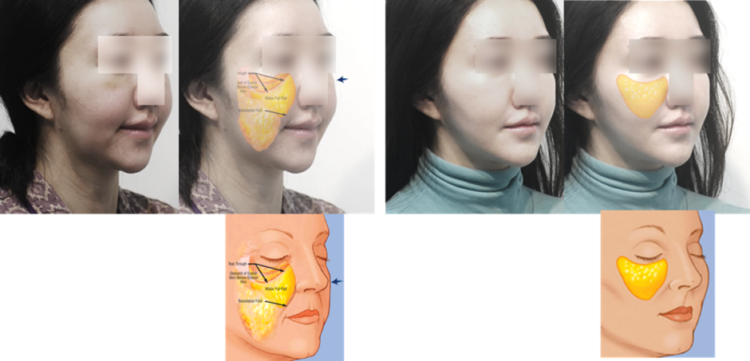
This is because the sagging that follows procedures like zygoma (cheekbone) surgery follows a completely different pattern than natural aging. The issue isn't that the skin has stretched; rather, during surgery, the underlying bone and muscles have descended. Consequently, the cheek fat resting on top of them shifts downward as well.
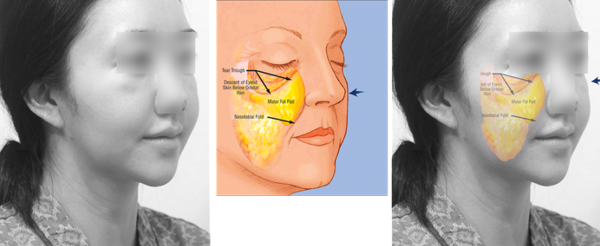
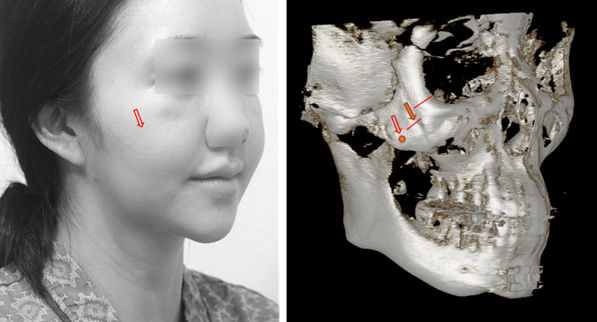
I often use the analogy of "a clothes hanger and a towel." Aging is like both the hanger and the towel wearing out over time. In contrast, post-contouring sagging is like the towel being perfectly fine, but the "hanger" (the bone and muscle) supporting it has dropped.
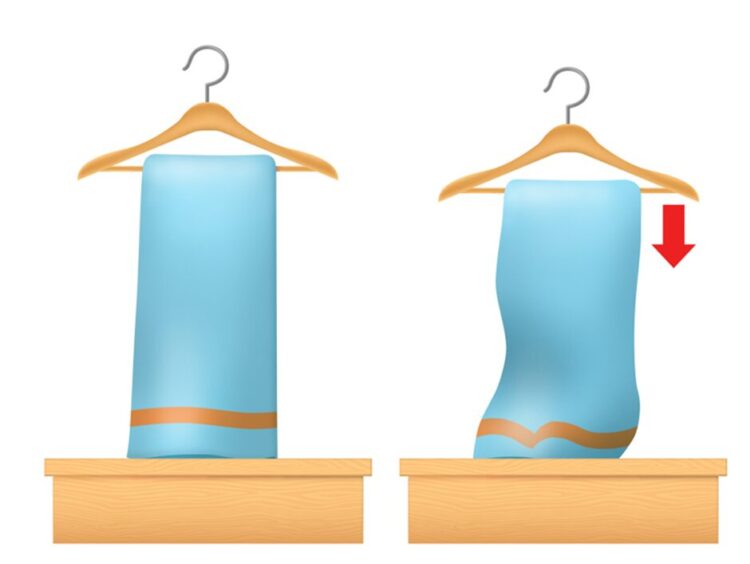
Matching the Solution to the Cause
To fix a sagging towel when the hanger has dropped, you must lift the hanger back up.
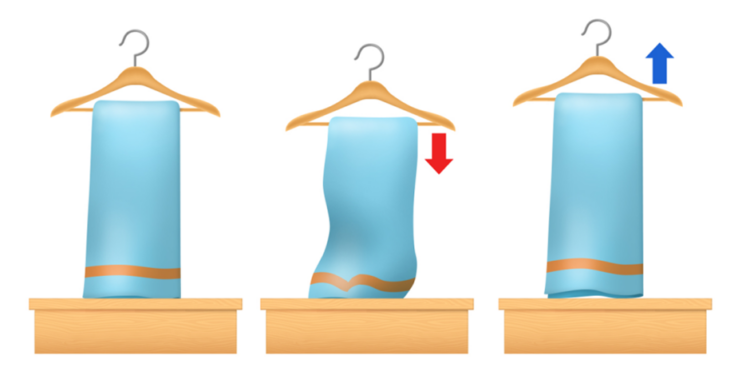
When cheek fat sags due to facial contouring, the root cause lies in the deep tissue—the bone and muscles. If you elevate these structures, the cheek fat rises with them.
Conversely, if you leave the "hanger" where it is and simply cut and sew the "towel" (the skin), the result will look anatomically unnatural.
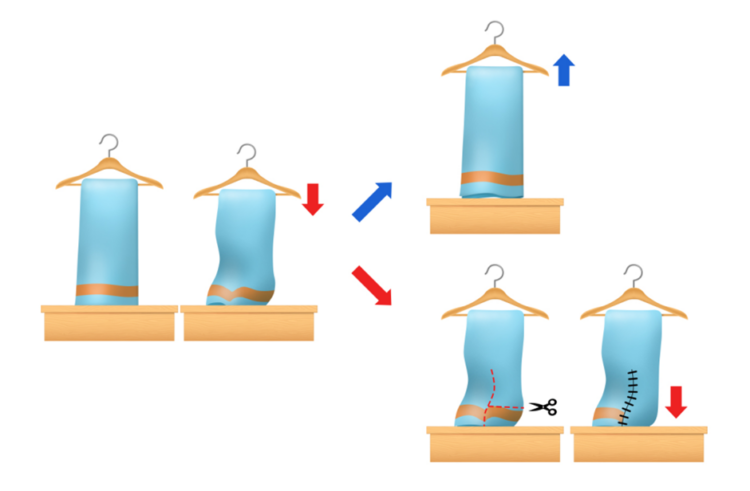
Pulling the surface tight while the deep fat remains displaced often creates a "drawstring pouch" effect—where the outside is stretched taut, but the inside remains saggy and awkward.

While marketing often suggests "maintenance" via thread lifts or lasers, these procedures cannot create fundamental change. A facelift, which involves wide undermining and tightening, is more effective than non-invasive procedures, yet it still misses the mark. Anatomically, a subperiosteal midface lift is a more appropriate option, as it restores the bone and muscle to their original positions.
The Importance of Prevention Over Correction
The most vital principle in plastic surgery is finding a solution that matches the cause. However, prevention is even more critical.
Prospective patients are often told that sagging after contouring is "inevitable," leading to the logic that one must simply manage it with future surgeries. More concerning is the trend of promoting simultaneous facial contouring and facelift surgery. This is often packaged as "pulling more so we can shave more."
At first glance, this sounds effective. However, reducing bone excessively only results in an unnatural appearance. The essence of facial contouring is not the volume of bone removed, but the creation of a natural, beautiful facial shape. A face where bone has been shaved to the point of collapse, only to be forcibly pulled back up, will never look truly natural.
Cheek sagging is not an unavoidable fate. The goal should be to operate with a technique that prevents sagging from the start. Remember: the priority isn't "fixing it later," but ensuring the surgery is performed correctly so that sagging never occurs in the first place.