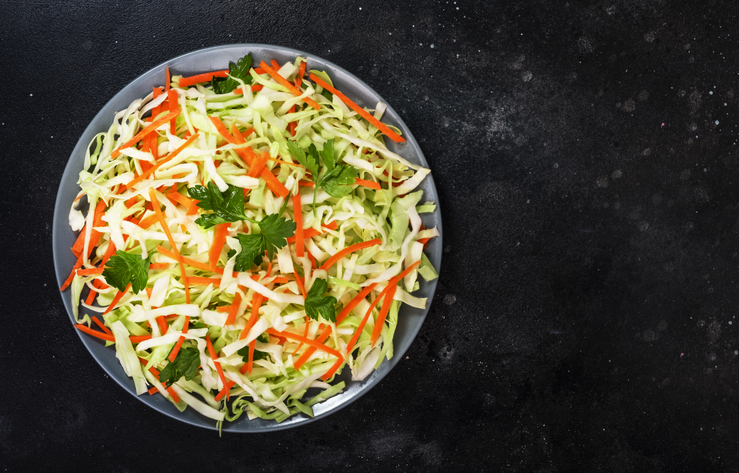
While napa cabbage is most famously associated with kimchi, consuming it raw and unsalted is an exceptionally healthy choice that avoids the risks of excessive sodium intake. With its mild flavor and lack of a strong odor, raw napa cabbage makes for an excellent afternoon snack. Because it is highly satiating, it can effectively prevent overeating during dinner. When combined with traditional cabbage, the two vegetables create a powerful nutritional synergy that supports blood sugar control and vascular health.
Which Nutrients Help Suppress Cancer Cell Growth?
Research indicates that extracts from both napa cabbage and cabbage can inhibit the proliferation of cancer cells. According to data from the Journal of the Korean Society of Food & Nutrition, antioxidant nutrients such as polyphenols and flavonoids found in these vegetables have a direct inhibitory effect on cancer cell growth.
This conclusion was drawn from an analysis of how ethanol extracts of both vegetables affected liver and stomach cancer cell lines. The study found that as the concentration of the extracts increased, the suppression of cancer cell proliferation became more pronounced.
Managing Blood Sugar Spikes and Cholesterol
Napa cabbage is low in calories but high in dietary fiber, making it a triple threat for blood sugar control, gut health, and weight management. This fiber is digested slowly, which helps curb the rapid rise in blood sugar—often called a "spike"—that typically occurs after consuming carbohydrates like rice, bread, or noodles.
Furthermore, napa cabbage helps reduce "bad" (LDL) cholesterol and may lower the risk of colorectal cancer. Eating a serving of these greens before consuming rice can enhance these protective effects. For those on a diet, using napa cabbage to ease hunger is far more sustainable than simply enduring cravings. To maximize these benefits, it is best to consume the leaves plain, without added sweeteners or heavy dressings.
Minimal Nutrient Loss in Soups and Stews
The green outer leaves of napa cabbage are rich in Vitamin C and beta-carotene. Unlike many other vegetables, the Vitamin C in napa cabbage is relatively stable when exposed to heat or salt, meaning you can still reap its benefits when it is boiled in a soup or fermented as kimchi.
With a water content of approximately 95%, napa cabbage supports a healthy metabolism and acts as a mild natural diuretic. The sweeter inner core can be sliced for a raw side dish or simmered to add depth to broths. However, those with sensitive colons or specific gastrointestinal conditions may find the vegetable easier to digest when cooked rather than raw.
Cabbage: The Ultimate Protector of the Stomach Lining
Cabbage is renowned for its ability to protect the gastrointestinal tract, thanks to its high concentration of B vitamins and specialized enzymes. It contains several key components for stomach health:
Vitamin U: Helps shield the stomach lining from the corrosive effects of stomach acid.
Vitamin K: Supports the repair of existing damage to the gastric mucosa.
Vitamin C: Assists in calcium absorption and promotes healthy blood circulation within the stomach walls.
Additionally, cabbage contains sulforaphane, a compound that activates proteins to inhibit blood clot formation, thereby helping to prevent vascular disease. Combining bite-sized pieces of both napa cabbage and traditional cabbage into a fresh salad is an efficient and highly beneficial way to support your overall health.