Kim Jong-min (46), a member of the veteran mixed-gender group Koyote, recently debuted a transformed appearance. During the March 15 broadcast of KBS2’s 1 Night 2 Days Season 4, Kim appeared wearing glasses, looking noticeably different from his usual self. His co-star Moon Se-yoon joked about his slightly swollen appearance, asking, “You look puffy—did you get into a fight?”
In response, Kim Jong-min candidly revealed, “I underwent lower eyelid fat repositioning surgery to address my tired appearance.”
Kim, who married his wife—11 years his junior—last year, has been focused on his health as he prepares for fatherhood. “I completely quit drinking for the sake of having a second child. I’ve been conditioning my body for about six months,” he shared. The surgery was a final step in his transformation, aimed at preventing frequent comments about him looking perpetually exhausted.

What is Lower Eyelid Fat Repositioning?
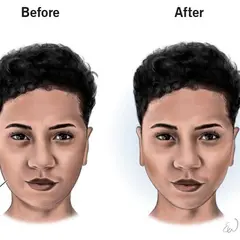
Lower eyelid fat repositioning is a specialized cosmetic procedure that redistributes protruding fat under the eyes rather than simply removing it. The fat is moved from bulging areas into the concave "tear trough" (the hollow area under the eye), creating a smooth, flat surface.
This procedure is particularly effective for patients without significant skin sagging. It addresses the "gloomy" impression caused by the combination of protruding fat and deep shadows. However, for patients with significant wrinkles and excess skin, a more comprehensive surgery known as lower eyelid blepharoplasty may be required to excise and lift the skin and muscles simultaneously.
Expected Results: Alleviating Fatigue and Dark Circles
The primary goal of this procedure is to smooth the transition between the lower eyelid and the upper cheek. By evening out the volume imbalance, the structural shadows that contribute to dark circles are minimized, resulting in a sharper and more youthful eye area.
For middle-aged men who struggle with "eye bags" and hollow tear troughs, this redistribution softens the facial impression significantly. It provides a more rested look by alleviating the "bag-and-bone" contour that often develops with age. However, it is important to note that because dark circles can also be caused by skin pigmentation or visible blood vessels, fat repositioning alone may not completely eliminate all under-eye discoloration.

Surgical Technique and Recovery
The procedure is predominantly performed via a transconjunctival approach—an incision made inside the eyelid. This method eliminates external scarring and generally leads to a faster recovery. Under local anesthesia (often with sedation), the fat is accessed through the inner conjunctiva and moved down to the hollow area for fixation.
The initial one to two weeks post-surgery are critical for management. Patients must:
Use cold compresses and keep their head elevated while sleeping to reduce swelling.
Avoid strenuous exercise, saunas, and alcohol.
Refrain from rubbing the eyes and strictly follow prescribed eye drop and ointment regimens.
Potential Side Effects and Considerations
The skin under the eyes is exceptionally thin and anatomically complex, meaning outcomes can vary significantly based on the practitioner's skill. Common early effects include swelling, bruising, and temporary dryness, most of which resolve within two weeks.
However, more serious risks exist. Over-correcting or excessive fat removal can lead to a hollowed, "sunken" look or persistent unevenness. If the procedure is performed on patients with significant skin laxity without addressing the excess skin, wrinkles may actually appear worse after the fat is redistributed. Rare complications include ectropion (the eyelid turning outward), hematomas, or infection.
Key Checkpoints Before Surgery
Before proceeding, a specialist must accurately determine whether the issue is purely fat protrusion or if it is accompanied by skin sagging. For those with significant loss of elasticity, combining fat repositioning with a skin-lifting procedure may be more appropriate.
Because the eye area is highly sensitive—where a difference of just 1–2mm can alter one's facial expression—it is crucial to consult with a board-certified plastic surgeon or ophthalmologist with extensive experience in eyelid surgery. Patients should prioritize "redistribution and volume maintenance" over aggressive fat removal and should always inquire about the surgeon's protocols for managing asymmetry or potential re-operation.