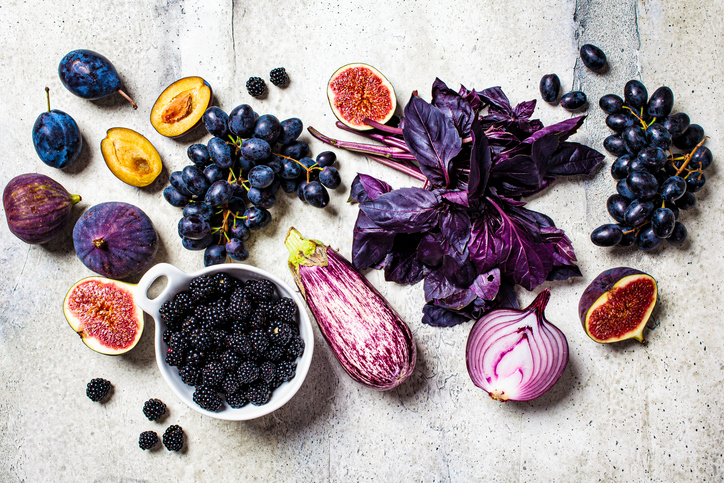
To improve health, eating a colorful variety of foods can help. Among them, so-called 'purple foods' are well known for helping cleanse the blood in the vessels and slowing aging. This is due to the natural pigments that give fruits and vegetables their purple color. Foods rich in anthocyanins are not limited to blueberries; they can be found in a variety of everyday foods.
Anthocyanins: What are they good for?
Let’s look at the benefits of anthocyanins. Anthocyanins absorb fats and help dissolve and remove deposits from blood vessels. They help improve blood triglyceride levels. They also have antioxidant effects that can inhibit reactive oxygen species in the body. Reactive oxygen species are harmful substances that destroy cells, cause inflammation and cancer, and accelerate aging.
Anthocyanins are also beneficial for improving memory. A study at the University of Cincinnati in the United States found that anthocyanins activate brain nerve cells and help prevent memory decline. In addition, anthocyanins provide benefits such as protecting eyesight, enhancing sexual function, and relieving fatigue.
Purple sweet potatoes rich in anthocyanins: also beneficial for blood sugar control
If you want to supplement anthocyanins with foods other than blueberries, try eating sweet potatoes. Among various types such as chestnut sweet potatoes and pumpkin sweet potatoes, purple sweet potatoes are considered especially rich in anthocyanins. It’s reported that 100 g of purple sweet potato contains 380–1459 mg or more of anthocyanins. In particular, deep-colored varieties like Sinjami and Danjami tend to have higher anthocyanin content.
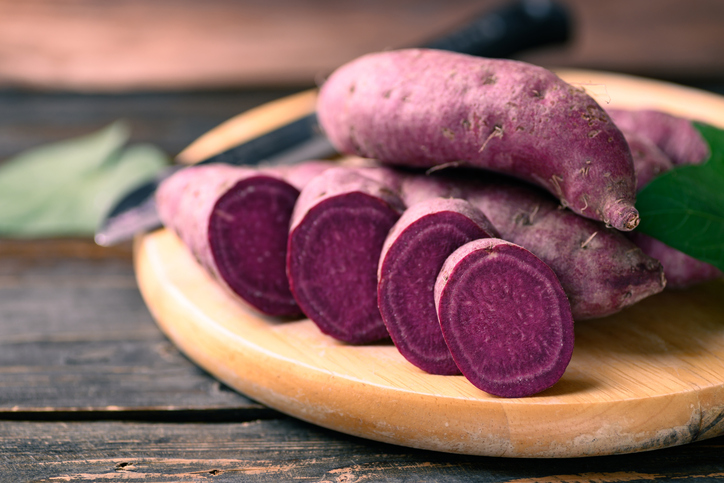
Purple sweet potatoes can also help with blood sugar control. This is because anthocyanins act as antioxidants in the body and increase the activity of substances involved in blood sugar control. In fact, the Rural Development Administration announced in 2018 that anthocyanins in purple sweet potatoes may have a positive effect on blood sugar management. An analysis of anthocyanins in six purple sweet potato varieties including Sinjami and Danjami showed that among 15 types, cyanidin-type compounds with high antioxidant activity were associated with blood sugar-lowering effects.
You can also get anthocyanins as part of a meal by pairing black rice with eggplant side dishes
There are ways to enjoy anthocyanins as part of a meal. One is to use black rice and eggplant. Black rice, which has a dark purple hue, is rich in anthocyanins. It also contains a lot of gamma oryzanol, which lowers cholesterol in the body. However, black rice should be minimally polished to preserve the anthocyanin pigment layer.
Pairing eggplant with black rice completes a meal full of anthocyanins. Consistently consuming anthocyanins like this is good for preventing cardiovascular disease. The anthocyanins in eggplant strengthen heart function and lower bad cholesterol. According to a study of about 600,000 adults, people with high anthocyanin intake had about a 10% lower risk of developing coronary heart disease than those who did not.
Freezing cherries can activate their anthocyanins
Cherries, which have a deep red color, are rich in anthocyanins. Pitted cherries contain up to 300 mg of anthocyanins per 100 g. To further activate the anthocyanin components in cherries, it is also good to store them in the freezer before eating. Move frozen cherries to the refrigerator about an hour before eating to enjoy them fresh.
In addition to anthocyanins, cherries are rich in various nutrients such as quercetin and perillyl alcohol. Quercetin is a flavonoid plant pigment that protects blood vessel walls from damage. Perillyl alcohol inhibits the growth of prostate cancer cells.
Not only fresh fruit, tart cherries, which are known to help promote sound sleep, also contain a lot of anthocyanins. Tart cherries are richer in melatonin—the sleep hormone—than other cherry varieties and also have a lot of beta-carotene, which is good for eye health.