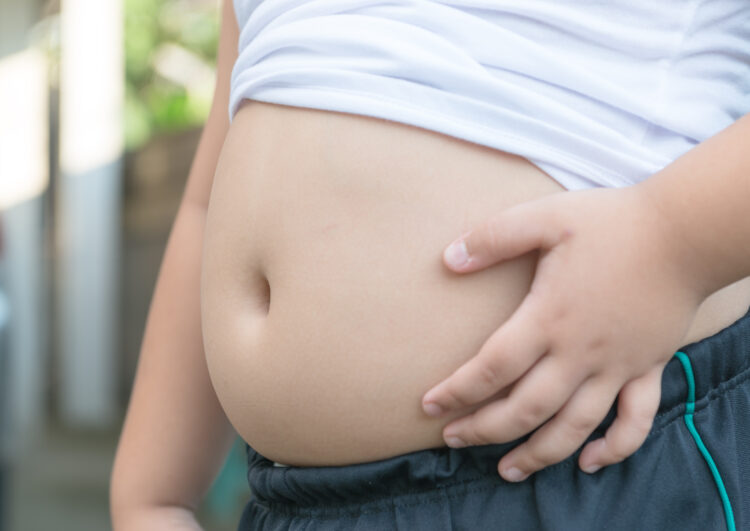
The obesity rate among children and adolescents is climbing annually, bringing with it a sharp rise in metabolic complications. According to the Korea Disease Control and Prevention Agency’s National Health and Nutrition Survey, the prevalence of obesity among children (ages 6–11) and adolescents (ages 12–18) reached 13.6% and 15.1% respectively between 2022 and 2024. These figures represent an increase of 4.9 and 3.6 percentage points compared to a decade ago. In pediatric medicine, obesity is clinically defined as a Body Mass Index (BMI) at or above the 95th percentile based on 2017 growth charts.
As obesity rates surge, so does the incidence of fatty liver. Global statistics indicate that approximately 7% to 14% of all children and adolescents suffer from Metabolic Dysfunction-Associated Fatty Liver Disease (MASLD). Among those already classified as obese, that figure jumps to between 30% and 50%. In South Korea specifically, fatty liver is detected in more than 40% of obese children.
"Fatty liver is quite commonly found in obese patients over the age of 10, and we are increasingly confirming the condition in children as young as 8 or 9," says Professor Ryu In-hyuk of the Department of Pediatrics at Seoul St. Mary’s Hospital.
The Vicious Cycle of Hepatokines and Insulin Resistance
Fatty liver is both a consequence of obesity and a primary driver of its progression. When the liver accumulates excess fat and begins to experience inflammation, it abnormally secretes proteins known as hepatokines. These substances exacerbate insulin resistance in muscle and adipose tissues, leading to poor blood sugar control. This creates a physiological vicious cycle that triggers even further fat accumulation within the liver.
Reversibility Through Early Detection
The good news is that pediatric fatty liver is highly treatable if caught early. Unlike adult cases where long-term damage may be deep-seated, children often see rapid improvement through lifestyle changes.
"Losing just 3% to 5% of body weight can be significantly helpful," Professor Ryu explains. "A loss of 7% to 10% can reduce active inflammation, and losing more than 10% can actually lead to improvements in liver fibrosis."
In many cases, liver enzyme levels drop noticeably after a modest weight loss of just 2 to 3 kilograms. This rapid physiological feedback can serve as a powerful motivational tool for young patients. However, the window for easy reversal does not stay open forever. Professor Ryu warns that in studies tracking pediatric patients, roughly one-third saw their condition worsen within just two years. "If parents choose a 'wait and see' approach, the liver may reach a point where it is difficult to return to normal function," he adds.
Prevention Through Dietary Discipline and Screenings
Preventing MASLD requires a strict reduction in ultra-processed foods and the total elimination of carbonated and sugary drinks. Liquid fructose is particularly hazardous, as it is processed by the body in a way that converts it directly into liver fat.
In addition to dietary changes, daily moderate exercise is essential to maintain metabolic health. Professor Ryu advises that weight is not the only factor parents should monitor. "Even if two children have the same BMI, the one with fatty liver faces a much higher risk of developing diabetes and cardiovascular disease," he says. Experts recommend that significantly overweight children receive annual liver enzyme tests starting between the ages of 10 and 12 to ensure early detection.