Eating fat is a biological necessity, but the type of fat you choose determines your long-term health. Replacing the saturated fats found in fatty meats with unsaturated fats is one of the most effective ways to manage cholesterol, suppress triglyceride spikes, and prevent cardiovascular disease. These "good fats"—abundant in nuts, olive oil, perilla oil, and fatty fish like mackerel—also play a critical role in stabilizing blood sugar levels.
Reducing Mortality in Hyperlipidemia Patients: The Power of Antioxidants
Recent research highlights that for those already diagnosed with hyperlipidemia (high blood volume of fats), a diet rich in nuts can be a lifesaver.
A study published in the international journal Scientific Reports analyzed health data from 25,383 patients with hyperlipidemia to examine the link between antioxidant nutrients and disease outcomes. The results were striking: individuals with adequate antioxidant intake had a 27% lower risk of cardiovascular mortality and a 28% lower risk of dying from cancer. Nuts rich in Vitamin E and green leafy vegetables like spinach were identified as the most effective contributors to these results.
A Double-Edged Sword: Benefits and Calorie Density
While unsaturated fats help lower "bad" LDL cholesterol and triglycerides, they must be consumed in moderation.
The Calorie Factor: Fat is the body’s most concentrated energy source, providing 9 kcal per gram—more than double the energy of carbohydrates or proteins (4 kcal per gram).
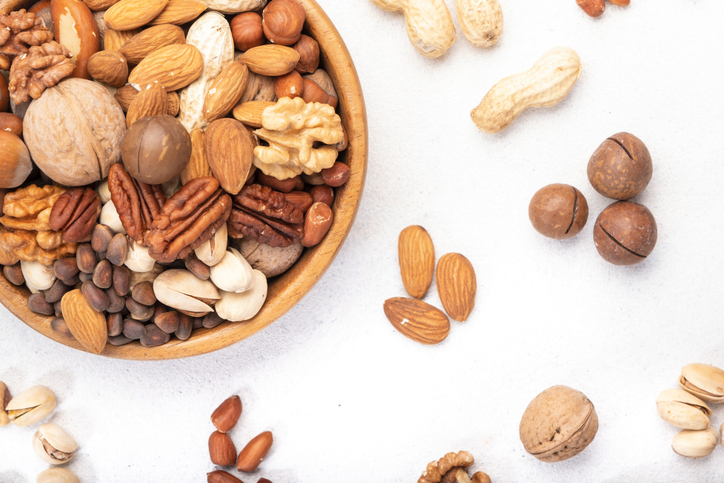
The Portion Guide: Because of this high energy density, overeating even "good" fats can lead to weight gain. Experts recommend a single handful of walnuts or almonds per day as the ideal serving size.
Essential Nutrients: Since the body cannot synthesize essential unsaturated fats on its own, they must be obtained through your diet.
Why Your Body Needs Fat
Fats are not just fuel; they are structural building blocks. They are essential components of cell membranes and hormones and are vital for brain development. Furthermore, fats are necessary for the absorption of fat-soluble vitamins (A, D, E, and K).
Varieties of Health: Peanuts, Pine Nuts, and Ginkgo
Different nuts offer specialized health benefits:
Pine Nuts: Containing more iron than walnuts or peanuts, they are excellent for preventing anemia. They also provide high-quality protein through a well-balanced amino acid profile.
Peanuts: Rich in unsaturated fats that reduce bad cholesterol and help prevent arteriosclerosis (hardening of the arteries).
Ginkgo: Contains ginkgolide, a component that promotes blood circulation and prevents the formation of blood clots.
Brain Health: Nuts are packed with potassium and B-complex vitamins (B1, B2, B5), niacin, pantothenic acid, and folic acid, all of which support cognitive function and respiratory health.
Preventing Diabetes and Sarcopenia
Nuts have a low glycemic index (GI), meaning they cause a slow, steady rise in blood sugar rather than a sharp spike. This makes them an ideal snack for diabetes prevention.
For middle-aged and elderly individuals, nuts are an excellent source of plant-based protein to combat sarcopenia (age-related muscle loss). However, a final word of caution on storage: because of their high oil content, nuts can go rancid if left in warm environments. To maintain their nutritional integrity and flavor, store them in the refrigerator and take out only what you need.