As one reaches middle age, warning signs for back health can easily appear. In particular, lack of exercise and being overweight put a strain on the spine, threatening back health. Symptoms that start as mild back pain can gradually worsen and lead to what is commonly referred to as a ‘herniated disc’. When a herniated disc progresses, pain spreads to the pelvis and legs, significantly disrupting daily life. Let’s take a look at the main causes and prevention methods for herniated discs in middle age.
◆ The main cause of herniated discs is ‘being overweight’
Herniated discs are closely related to lifestyle habits. In particular, being overweight or obese is considered a major factor threatening back health. As weight increases, the burden on the spine and discs also increases. This raises the risk of disc damage or strain on the posterior joints. To prevent discs, it is necessary to control weight and engage in regular exercise such as brisk walking.
◆ Age, and poor posture are also major causes
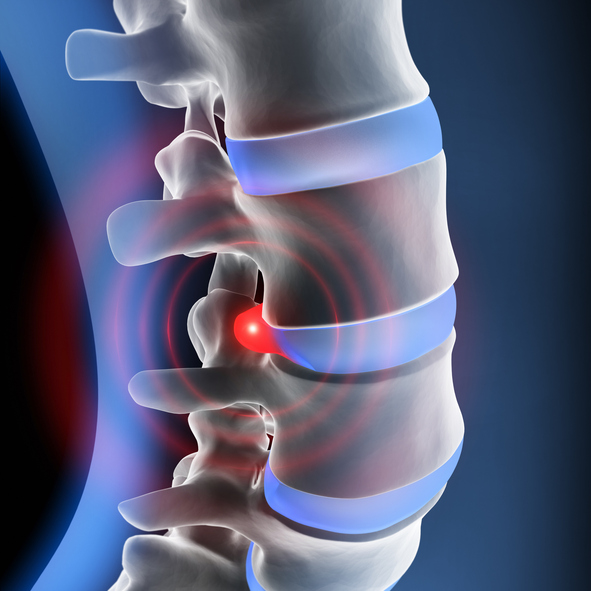
Herniated discs occur as the discs weaken and become damaged due to aging. If one habitually uses their back in a slouched manner or repeats strenuous movements, disc damage can occur more easily. When young, the discs are rich in moisture and elastic, but as one ages, moisture decreases and they become harder, reducing their ability to absorb shock. In particular, in the teenage years, the moisture content is about 88%, but after the age of 50, it drops below 70%, significantly impairing disc function.
Herniated discs, commonly referred to as ‘discs’, occur when the disc between the vertebrae tears, causing the soft nucleus inside to protrude and press on the nerves. This protrusion of the nucleus is primarily caused by poor lifestyle habits and aging, which can result in severe pain radiating to the back and legs.
◆ Swimming, walking recommended, caution with sit-ups!
The deep muscles in the lower back that surround the spine play a role in supporting and protecting the spine. Those whose deep muscles have weakened due to lack of exercise are at a higher risk of damage to the spine and intervertebral discs, including disc disease. In addition to maintaining proper posture, exercise is also important for preventing discs. Exercises that maintain the natural curve of the lumbar spine, such as swimming and walking, are beneficial. However, sports that require significant bending of the back, such as tennis, are not advisable. For middle-aged individuals, it is also better to refrain from doing sit-ups.
◆ Be careful every time you lift heavy objects!

There have been cases where a momentary ‘tweak’ while lifting an object led to a herniated disc. When lifting objects, they should be kept close to the body. This prevents excessive force from concentrating on the back and allows the legs to bend to distribute the weight. Additionally, when standing for long periods, one should place one foot on a low box to maintain the curve of the lumbar spine. Those who maintain a slouched posture for extended periods or frequently use their back should be especially cautious.