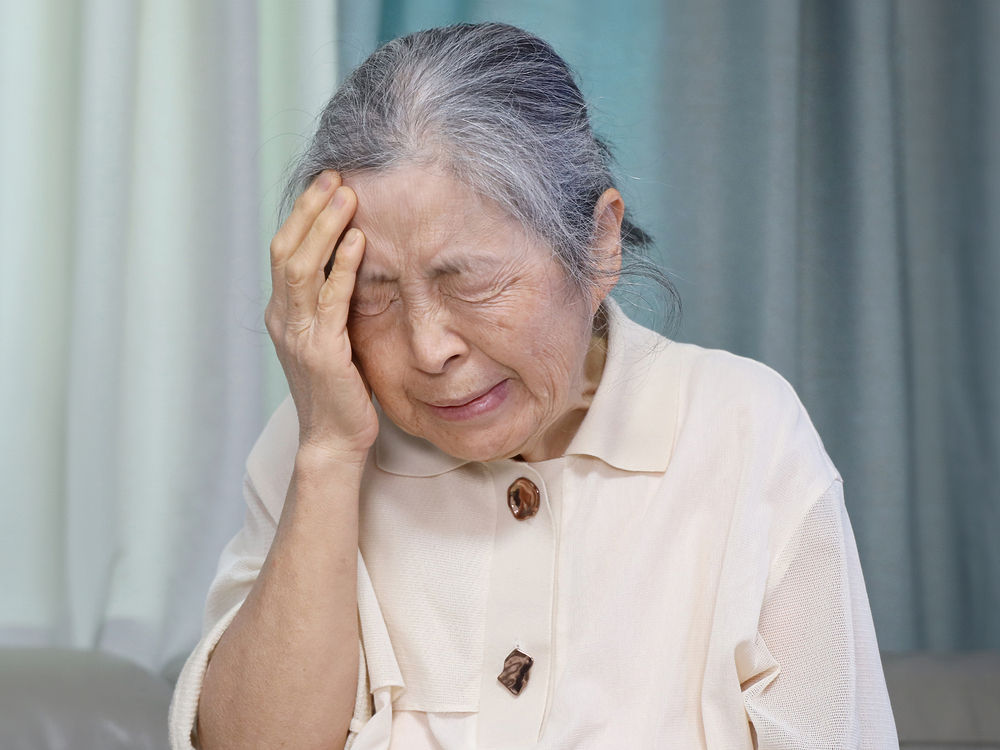
A company employee living in Busan, Mr. Kim (52), has been feeling discomfort in his groin for the past three months. He thought, "I must have twisted it while playing soccer," and just applied a pain relief patch. However, the pain gradually worsened, leading him to visit a hospital, and the MRI results were unexpected.
Avascular necrosis of the femoral head (AVN). It indicates that blood is not flowing well to the top of the thigh bone (femoral head) that connects to the pelvic bone (avascular), causing the bone tissue to necrose (die). The doctor said, "If you had waited a little longer, you would not have been able to avoid hip replacement surgery."
"I thought it was just a twist..." If left untreated, it could lead to hip replacement
The hip joint is the central axis of the body. It supports body weight and is key to all movements, but symptoms start subtly. Initially, it may just feel tight in the groin or have limited joint range of motion. It is easy to dismiss it as a twist. However, if left untreated, it becomes difficult to climb stairs, one may be unable to sit cross-legged, and eventually, limping may occur.
Another disease of the hip joint that occurs frequently in winter is hip fractures. Hip fractures are referred to as 'silent killers.' Patients over 80 years old make up 35% of cases, and women are 2.4 times more likely than men. The problem lies in the prognosis. The mortality rate within one year after a fracture averages 17%. Some overseas studies have reported rates as high as 30%.
Moreover, hip joint diseases are no longer just diseases of the elderly. According to statistics from the Health Insurance Review and Assessment Service (2023), there are about 130,000 cases of hip fractures and degenerative hip arthritis each year, increasing by an average of 3% annually. Among them, the young population in their 20s to 40s accounts for 17% of the total.
Dr. Yoon Dong-gil of Busan's The Tan Tan Hospital stated, "In the past, most osteoporosis patients were in their 70s and 80s, but in the last five years, there has been a noticeable increase in patients in their 40s and 50s," and pointed out, "The increase in hip joint diseases among the young is often due to excessive drinking, long-term steroid use, and neglect after trauma."
Three Major Warning Signs of Hip Joint Diseases in Young People
Why is there an increase in hip joint diseases among young people? Experts point to three causes.
First, excessive drinking. There are studies indicating that avascular necrosis of the femoral head (AVN) occurs particularly frequently in East Asia, including Korea. When alcohol constricts blood vessels and blocks blood flow to the femoral head, the bone tissue begins to decay. This is why there are overwhelmingly more male patients in their 40s and 50s.
Second, long-term steroid use. Using steroids for skin diseases, rheumatoid arthritis, or as immunosuppressants after organ transplants significantly increases the risk of femoral head necrosis.
Third, obesity and trauma. Being overweight puts continuous pressure on the hip joint. If combined with sports injuries or the aftereffects of traffic accidents, degenerative arthritis can begin even in people in their 20s and 30s.
Preventing Falls and Early Diagnosis Determine the 'Second Half of Life'
The biggest enemy of hip fractures is falls. Bathroom floors, stairs, icy roads. One in three seniors over 65 experiences a fall each year, and among them, 5-10% lead to fractures.
The prevention methods are clear. Early screening and treatment for osteoporosis, improving indoor lighting, installing anti-slip mats, and regular strength training. Especially for women, bone density drops sharply after menopause, so regular check-ups from the age of 50 are essential.
Dr. Yoon Dong-gil stated, "90% of hip fractures are preventable," and added, "Once a fracture occurs, most surgeries are unavoidable, and the recovery process is long and painful. Regular bone health management and checking living environments are the most important."
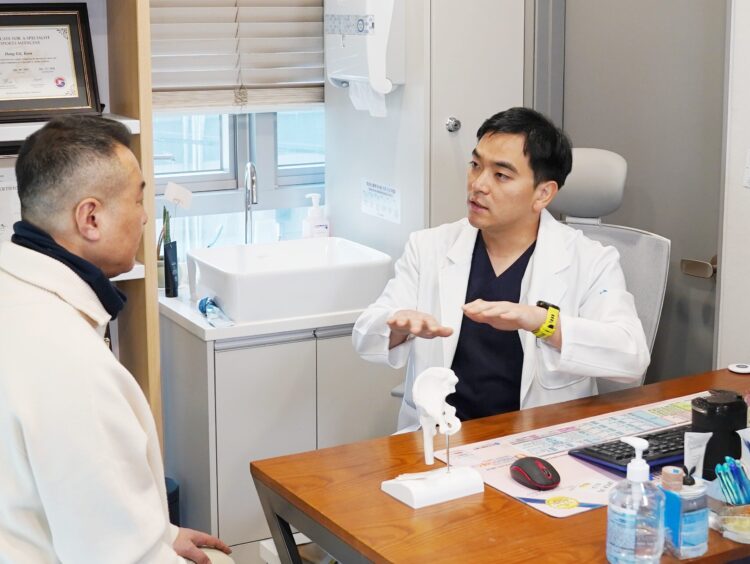
If hip joint pain persists for more than two weeks, if there is radiating pain from the groin to the knee, or if the legs appear to be of different lengths, one should immediately visit an orthopedic specialist. Early degenerative arthritis can be slowed down with medication, physical therapy, and weight management.
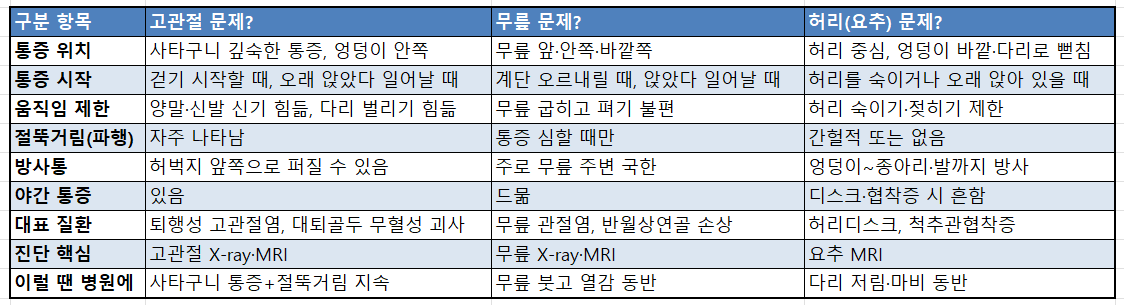
However, if left untreated, the cartilage will wear away completely, ultimately leading to hip replacement surgery. As of 2023, the number of hip replacement surgeries in Korea has exceeded 35,000 annually.
Avascular necrosis of the femoral head is even more urgent. It is initially detected only through MRI, but as it progresses, the femoral head collapses. There are over 30,000 patients treated for bone necrosis each year. Depending on the progression, stepwise treatments such as decompression surgery, bone grafting, and hip replacement are necessary.
"Once the hip joint is damaged, it cannot be reversed"
Hip joint diseases account for only 3% of all osteoarthritis (4.3 million people). This is significantly less than knee, spine, and hand joint diseases.
However, the difficulty of treatment and prognosis are the exact opposite. The hip joint bears a significant weight load, has limited blood supply, and once damaged, natural recovery is nearly impossible. The increase in young patients is particularly serious as it could affect the quality of life in the next 20-30 years.
The misconception that hip joint diseases are 'old age diseases' must be discarded now. Hip joint health begins with lifestyle habits, alcohol consumption, and weight management, regardless of age. Do not take pain lightly, and ensure healthy walking in the era of 100 years through early diagnosis and active treatment.