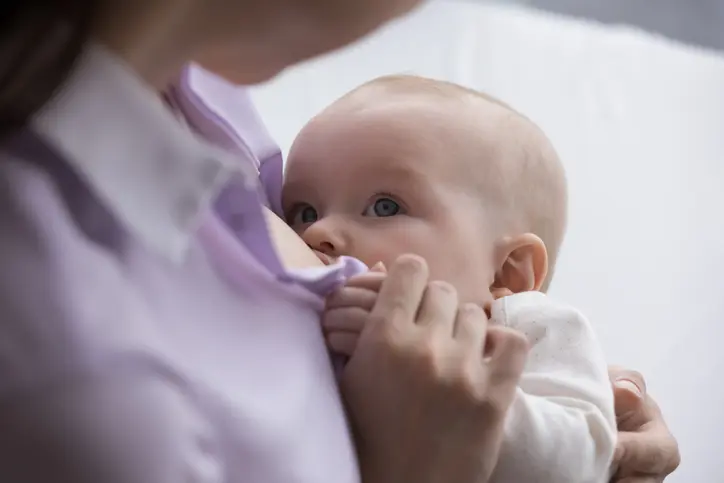
Research results have shown that breastfeeding can lower the risk of depression and anxiety in mothers not only immediately after childbirth but also for up to 10 years post-delivery.
The research team stated that while it is well-known that breastfeeding reduces the risk of postpartum depression and anxiety, there was limited evidence on whether this effect is maintained in the long term. They conducted this study to confirm the impact of breastfeeding on the long-term mental health of mothers.
This study utilized long-term follow-up birth cohort research data centered at the National Maternity Hospital in Dublin, Ireland, to analyze the correlation between mothers' breastfeeding experiences and mental health. The study subjects included 168 mothers who gave birth to their second child, with an average age of 42.4 years at the 10-year follow-up point.
The research team investigated the lifetime breastfeeding experience and duration at the 10-year postpartum mark, collecting self-reported survey data on the history of depression and anxiety diagnoses and related medication use during the follow-up period. Women who were currently pregnant or breastfeeding were excluded from the analysis.
Among all participants, 73% had breastfeeding experience at least once, and 38% had a cumulative breastfeeding duration of over 12 months.
At the 10-year postpartum mark, 13% of women reported experiencing depression or anxiety, and the proportion of those who experienced these symptoms at least once during the entire follow-up period was 21%.
Analysis results showed that women who experienced depression or anxiety at the 10-year postpartum mark had less breastfeeding experience compared to those who did not, and they tended to have shorter durations of breastfeeding throughout their lives. Women with breastfeeding experience had about a 66% lower risk of depression and anxiety compared to those without.
The protective effect became more pronounced with longer breastfeeding duration. For every additional week of exclusive breastfeeding throughout their lives, the likelihood of experiencing depression and anxiety decreased by approximately 2%.
Additionally, women with a cumulative breastfeeding duration of over 12 months showed about a 60% lower risk of depression and anxiety compared to those with less than that. These results remained consistent even after adjusting for various factors that could affect mental health, such as alcohol consumption.
However, the research team emphasized that this study is observational, and they cannot definitively conclude that breastfeeding directly prevents depression and anxiety. They also pointed out that socioeconomic and cultural factors, as well as a history of mental illness, likely influenced both breastfeeding success and mental health.
Nevertheless, the research team explained, "Successful breastfeeding may provide protective effects against postpartum depression and anxiety, and this initial effect may contribute to lowering the long-term mental health risks for mothers."
They added, "Breastfeeding is already known to reduce the risk of diabetes and heart disease in mothers and lower healthcare costs. Considering the potential mental health benefits, the rationale for strengthening breastfeeding support at the policy level becomes even clearer."
The results of this study were published in the international journal 《BMJ Open》 under the title 'Breastfeeding and later depression and anxiety in mothers in Ireland: a 10-year prospective observational study.'
[Frequently Asked Questions]
Q1. Can breastfeeding prevent depression and anxiety?
No. This study is observational, and we cannot definitively conclude that breastfeeding directly prevents depression and anxiety. However, a correlation was confirmed that longer breastfeeding experience and duration were associated with a lower likelihood of experiencing depression and anxiety in the long term.
Q2. Is the effect of breastfeeding only apparent immediately after childbirth?
This study found that even in middle-aged women up to 10 years postpartum, breastfeeding experience was associated with mental health. This suggests that the potential effects of breastfeeding may not be short-term.
Q3. Is not breastfeeding detrimental to mental health?
The research team emphasized that socioeconomic factors, cultural background, and a history of depression and anxiety likely influenced both breastfeeding success and mental health. Therefore, it is not appropriate to assess an individual's mental health risk based solely on whether they breastfed.