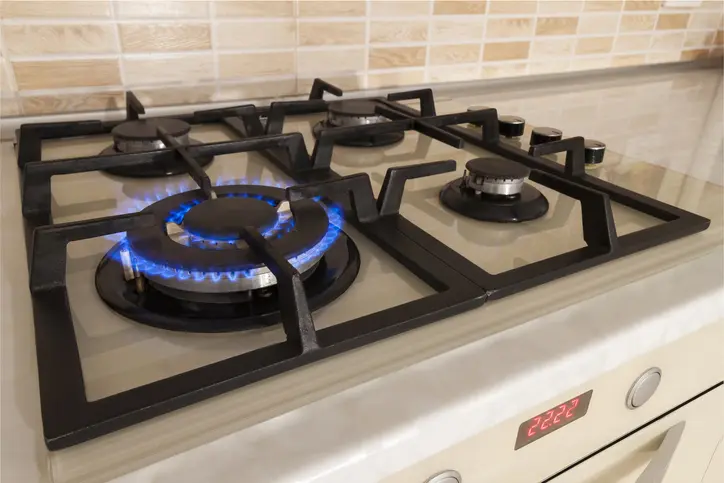
A study has shown that commonly used gas stoves in homes can worsen indoor air quality, increasing the risk of lung cancer and diabetes. This study reaffirms that home gas cooking appliances are a major factor in nitrogen dioxide exposure.
Nitrogen dioxide is a representative air pollutant primarily emitted from vehicle exhaust, known to be associated with airway irritation and asthma exacerbation, as well as long-term increased risks of lung cancer and diabetes.
According to an analysis conducted by a research team at Stanford University in the United States, about a quarter of the nitrogen dioxide exposure experienced indoors and outdoors over a long period in American households using gas stoves and propane stoves was confirmed to be due to these appliances. In particular, in households with high cooking frequency, indoor exposure levels increased to more than half of the total.
The researchers stated that high concentrations of nitrogen dioxide, which temporarily exceed the short-term recommended limits set by the World Health Organization (WHO) and the U.S. Environmental Protection Agency (EPA), are generated when using gas stoves. Currently, 38% of American households use gas stoves, indicating that the potential scale of exposure is also significant.
Possibility of Emitting 100 Times More Harmful Particles than Car Exhaust
The harmfulness of gas stoves has been consistently raised in other studies as well. Last year, a research team from Purdue University in the United States reported that some ultrafine particles emitted during cooking with gas stoves could be up to 100 times more than those from car exhaust. These particles can increase the risk of respiratory diseases such as asthma.
Additionally, gas stoves are known to emit benzene, a chemical associated with blood diseases such as leukemia. Another analysis conducted by Stanford University raised concerns that exposure to benzene emitted from gas stoves could increase the lifetime cancer risk for children by up to 1.85 times compared to adults.
Due to these risks, some states in the U.S. are showing movements to restrict the use of gas cooking appliances. For example, New York State signed a bill mandating the installation of electric cooking appliances and other electrical facilities in most new buildings in 2023. However, a lawsuit has been filed ahead of the implementation scheduled for January 2026, and related procedures are currently underway in federal court.
Switching to Electric Can Significantly Reduce Pollution...Ventilation Alone Can Reduce Risks
The researchers emphasized that using electric stoves instead of gas stoves can significantly reduce indoor nitrogen dioxide levels. If gas stoves are used, it is essential to ensure adequate ventilation, such as operating exhaust fans and opening windows while cooking. They also suggested using small electric appliances like electric kettles and toasters as alternatives to reduce indoor pollution while minimizing cost burdens.
The results of this study were published in the international journal 《PNAS Nexus》 under the title 'Integrating indoor and outdoor nitrogen dioxide exposures in US homes nationally by ZIP code.'