


The diet industry is famously recession-proof. This endurance stems from a simple reality: the world is full of people desperate to lose weight, yet very few manage to succeed and keep the weight off permanently. Consequently, a revolving door of diet trends—each claiming to be the ultimate solution—constantly emerges, peaks, and fades.
In the realm of weight loss, "low-carbohydrate" plans promising rapid results garner the most attention. The Paleo diet, the South Beach diet, and the Atkins diet all reside under this umbrella. While they differ slightly in food choices and the specific ratios of protein and fat, these low-carb regimens are collectively known as the "ketogenic" or "keto" diet. In Korea, this approach is commonly referred to as "low-carb high-fat" (LCHF).
“The weight comes off fast”—The illusion behind the loss
LCHF is, as the name implies, a nutritional strategy that slashes carbohydrate intake while surging fat consumption. Generally, carbohydrates are restricted to 10% or less of total daily calories, protein accounts for roughly 20%, and the remaining 70% is sourced from fat.
The objective is to induce a state of "ketosis." This is a metabolic shift where the body, deprived of its primary fuel—glucose derived from grains, vegetables, and fruits—begins using "ketones" [1]. These are substances produced in the liver from stored or dietary fat to serve as an alternative energy source.
However, health experts remain skeptical. U.S. News & World Report, a prominent American ranking authority known for its evaluations of hospitals and universities, consistently places the keto diet at the bottom of its nutritional assessments. In its 2020 rankings, keto was named the worst among 35 surveyed diets [2, 3]. This sentiment was echoed in 2023 by the American Heart Association (AHA), which awarded the keto diet its lowest rating for heart-healthy dietary patterns [4].
Repurposing a medical therapy for weight loss: A risky experiment
In the United States, the keto craze has evolved into a significant public health concern. In 2024, a Harvard University health newsletter issued a stern warning: the keto diet is a specialized medical therapy designed for children with severe, treatment-resistant epilepsy and was never intended for general weight loss [5].
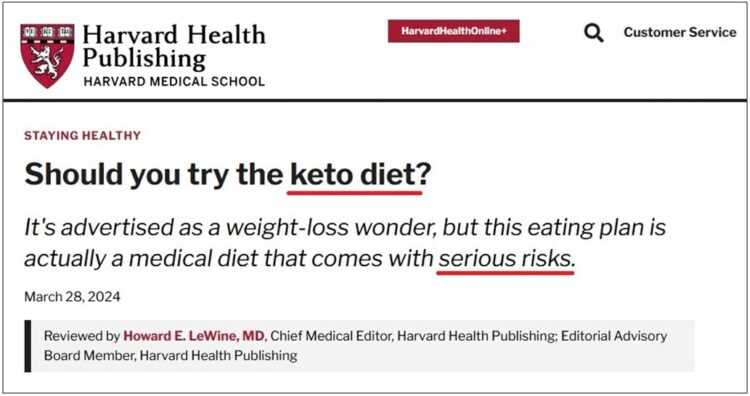
The Harvard report noted that the diet can trigger several serious side effects, making it notoriously difficult to sustain. Furthermore, once the diet is discontinued, many experience a "yo-yo effect," where the lost weight returns rapidly.
Despite these professional warnings, the keto diet remains the most popular weight-loss method in both the United States and Korea. How did such a controversial approach achieve mainstream dominance? The answer lies in the human desire for a "quick fix." While the keto diet does indeed cause the numbers on the scale to drop quickly, there is a hidden "trick" involved—a metabolic sleight of hand that misleads dieters about their actual progress.
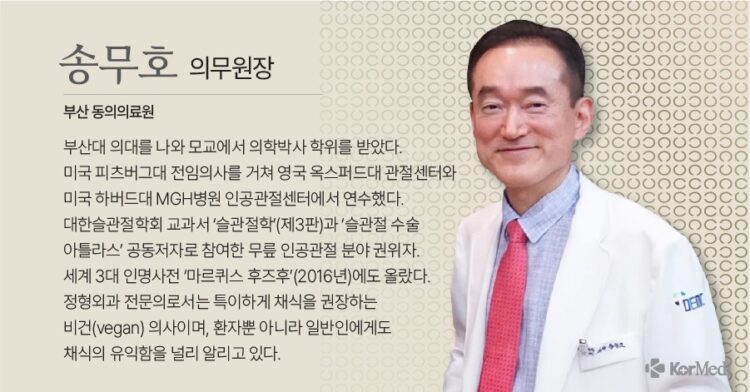
Song Mu-ho, MD, Specialist in Orthopedic Surgery & Lifestyle Medicine
References
1. Healthline https://www.healthline.com/nutrition/low-carb-vs-keto?
2. Global News https://globalnews.ca/news/6376259/keto-diet-dangerous/
3. CNN https://edition.cnn.com/2020/01/02/health/best-diet-worst-diet-2020-wellness
4. CD Gardner, MK Vadiveloo, KS Petersen, et al. Popular dietary patterns: alignment with American Heart Association 2021 dietary guidance: a scientific statement from the American Heart Association. Circulation 2023;147(22):1715-1730.
5. Harvard Health Publishing https://www.health.harvard.edu/healthy-aging-and-longevity/should-you-try-the-keto-diet