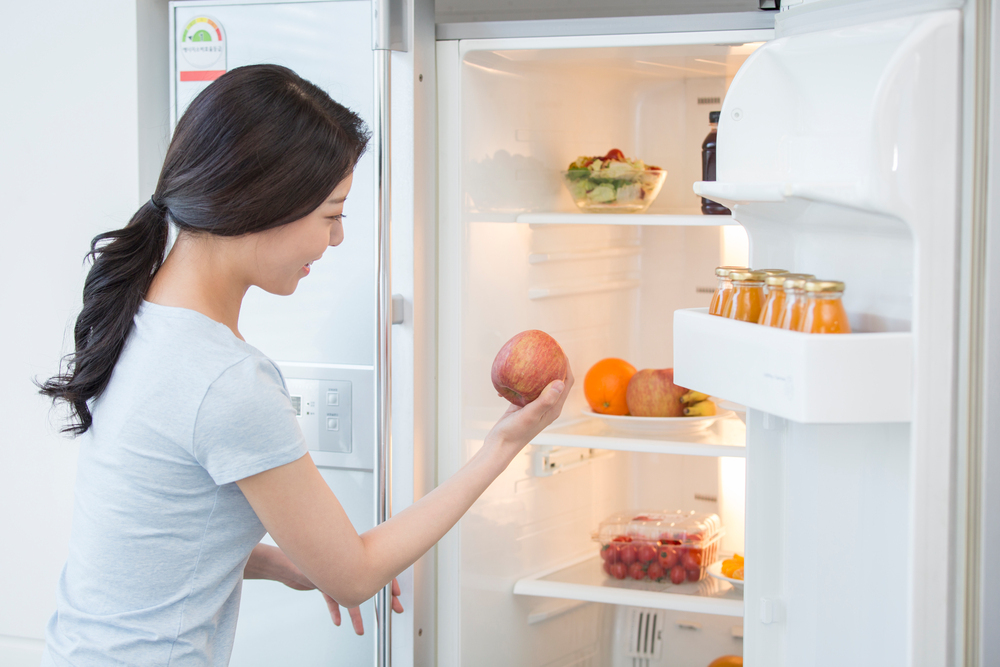
More people are discovering elevated blood sugar levels during routine health checkups and receiving a diagnosis of prediabetes. As the term suggests, prediabetes is the borderline state between normal blood sugar and type 2 diabetes. While it can be tempting to dismiss the diagnosis as a mere warning, it represents one of the most pivotal moments for your long-term health—a crossroads where diabetes, a chronic condition requiring lifelong management, can either take hold or be prevented. Reversing prediabetes requires proactive, sustained effort, centered on clearing dietary triggers from your kitchen and maintaining consistent physical activity.
The Critical Window to Stop Progression to Diabetes
Prediabetes provides a crucial opportunity to intervene before full-onset diabetes develops. Diagnostically, prediabetes is defined as a fasting blood glucose level of 100 to 125 mg/dL, an HbA1c level of 5.7% to 6.4%, or a 2-hour oral glucose tolerance test (75g OGTT) result of 140 to 199 mg/dL. Even if fasting blood sugar appears normal at 99 mg/dL, an elevated HbA1c of 6.1% still indicates prediabetes.
Beware of Simple Sugars, HFCS, and Added Sweeteners
The first step in blood sugar management is limiting simple sugars found in sweetened beverages, processed snacks, and sauces. Simple sugars digest rapidly, causing sharp post-meal blood sugar spikes. It is equally important to scrutinize labels for added sugars used in food manufacturing, including high-fructose corn syrup (HFCS), starch syrup, molasses, honey, and concentrated fruit juices.
Clinical data from the Korean Diabetes Association indicates that consuming a single tablespoon of sugar (approximately 15 grams) can elevate blood glucose by roughly 50 mg/dL within 15 minutes, depending on individual metabolism. Sweetened yogurt drinks and commercial fruit beverages should also be strictly minimized.
Why Fruit Juice Worsens Blood Sugar Spikes
Excessive intake of added sugars remains a primary driver of both obesity and impaired glucose tolerance. While whole fruit naturally contains sugar, its intact dietary fiber slows down digestion and blunts sudden glucose spikes.
In contrast, concentrated fruit juices and beverages made with high-fructose corn syrup lose most of their beneficial fiber during processing. Because liquid carbohydrates pass rapidly through the digestive system, they trigger swift blood sugar surges and frequently lead to unintended overconsumption.
The Truth About "Zero" and Sugar-Free Products
Beverages and snacks marketed as "zero" or sugar-free are not entirely free of calories or metabolic impact. Under standards established by the Ministry of Food and Drug Safety, beverages containing fewer than 4 kcal per 100 mL may be labeled as calorie-free, while products with less than 0.5 g of sugar per 100 g (or 100 mL) can be labeled sugar-free.
While these products replace refined sugar with artificial sweeteners, many still contain carbohydrates, fats, and calories. Consuming zero-sugar snacks or drinks in excess can still contribute to weight gain and negatively affect insulin sensitivity over time.
Whole Fruit Portion Control Matters
People with prediabetes do not need to eliminate fruit entirely, but portion control and smart selection are essential. It is best to limit overripe fruits and varieties exceptionally high in sugar, such as dried persimmons, ripe persimmons, and tropical fruits.
Because fruit contains valuable vitamins, minerals, and dietary fiber, consuming modest amounts is beneficial. Guidelines from the Korean Diabetes Association recommend restricting single fruit servings to one of the following options per day:
1/3 of a medium apple (100 g)
Half of a Korean melon or half an orange (100 g)
One large wedge of watermelon (250 g)
1/4 of an Asian pear
10 fresh strawberries
One large tomato (350 g)
Pair Refined Carbohydrates with Dietary Fiber
Refined carbohydrates with a high glycemic index (GI)—such as white rice, noodles, white bread, and rice cakes—cause rapid surges in post-meal blood sugar. Choosing low-GI foods supports both weight management and glycemic control.
When high-GI carbohydrates are consumed, pairing them with fiber-rich foods slows gastric emptying and moderates blood sugar rise. Incorporating mixed grains, vegetables, legumes, mushrooms, and seaweeds (such as kelp or laver) into meals helps buffer glucose spikes. Prioritizing vegetable and protein side dishes at the start of a meal further improves post-meal glucose stability.
Light Movement After Meals Helps Lower Blood Sugar
Strict blood sugar management does not require complete food deprivation. As noted in guidance from the Korean Diabetes Association, even individuals managing blood sugar can occasionally enjoy sweet foods in small quantities, provided they are consumed as part of a balanced meal rich in fiber and protein rather than eaten alone on an empty stomach.
Physical activity plays a crucial role in glucose clearance. Engaging in light movement—such as a 10- to 15-minute walk shortly after finishing a meal—allows skeletal muscles to absorb excess glucose from the bloodstream, significantly blunting postprandial blood sugar spikes.