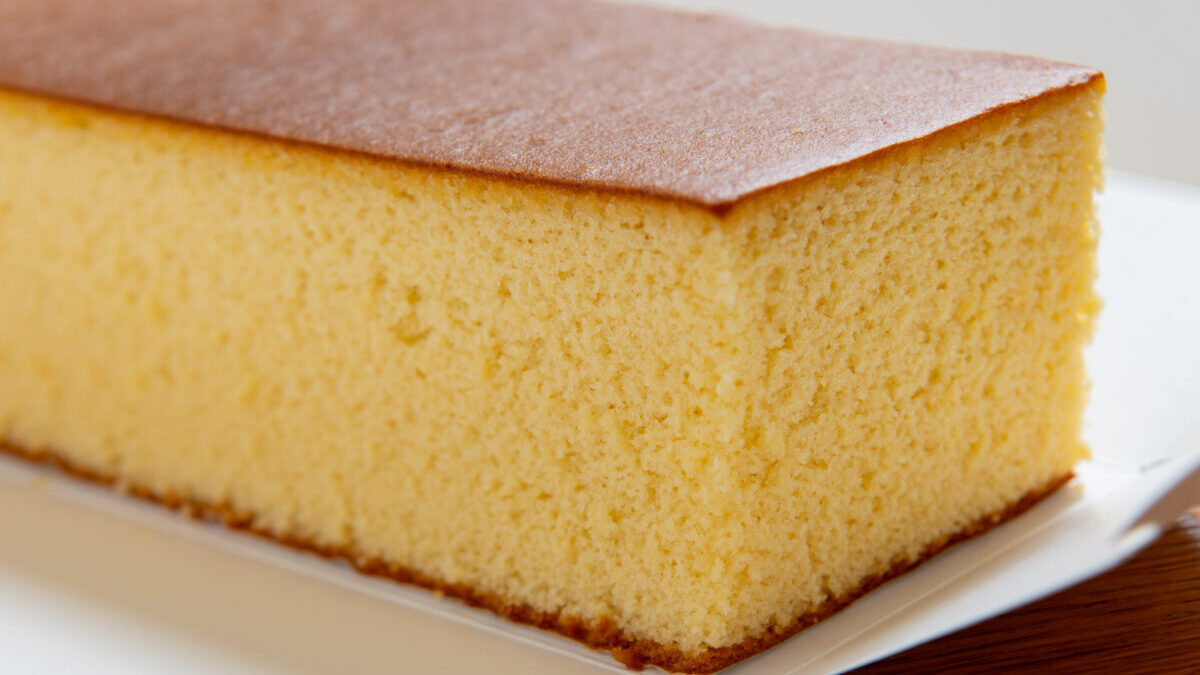
Choosing rice castella over a cream bun or croquette at a bakery often feels like a healthier choice. Front-of-pack claims such as “made with rice flour” reinforce the assumption that rice-based baked goods are inherently gentler on blood sugar than their wheat-based counterparts. However, substituting rice for wheat flour does not automatically make a dessert blood-sugar-friendly. Rice flour remains a carbohydrate dense in starch, and recipes typically rely on added sugar, starch syrup, or honey to achieve castella's signature moist texture and sweetness.
Evaluating Starch and Added Sugars
Rice castella is traditionally prepared by whipping eggs with sugar and finely ground rice flour. During digestion, the starch in rice flour breaks down directly into glucose. For individuals monitoring blood sugar levels, evaluating a product requires looking beyond listed "sugars" to assess "total carbohydrates." Because starch contributes significantly to glycemic impact, a relatively low sugar count does not guarantee a low total carbohydrate load.
Nutrition labels illustrate this gap clearly. For instance, commercial Product A contains 280 calories, 47 grams of total carbohydrates, and 21 grams of sugars per 100-gram serving. In contrast, Product B offers 315 calories, 39 grams of total carbohydrates, and 36 grams of sugars per 95-gram serving.
Reading Past Marketing Claims and Managing Portions
Front-of-package marketing highlighting "domestic rice" or specific rice flour percentages can also be misleading. Product A contains 18.4% rice flour alongside sugar, starch syrup, milk, butter, and honey. Meanwhile, Product B blends wheat flour with rice flour and contains 27.8% organic sugar and oligosaccharides. Because formulations vary widely—and some rice castellas still incorporate wheat flour—consumers should inspect the full ingredient list for all forms of added sugar.
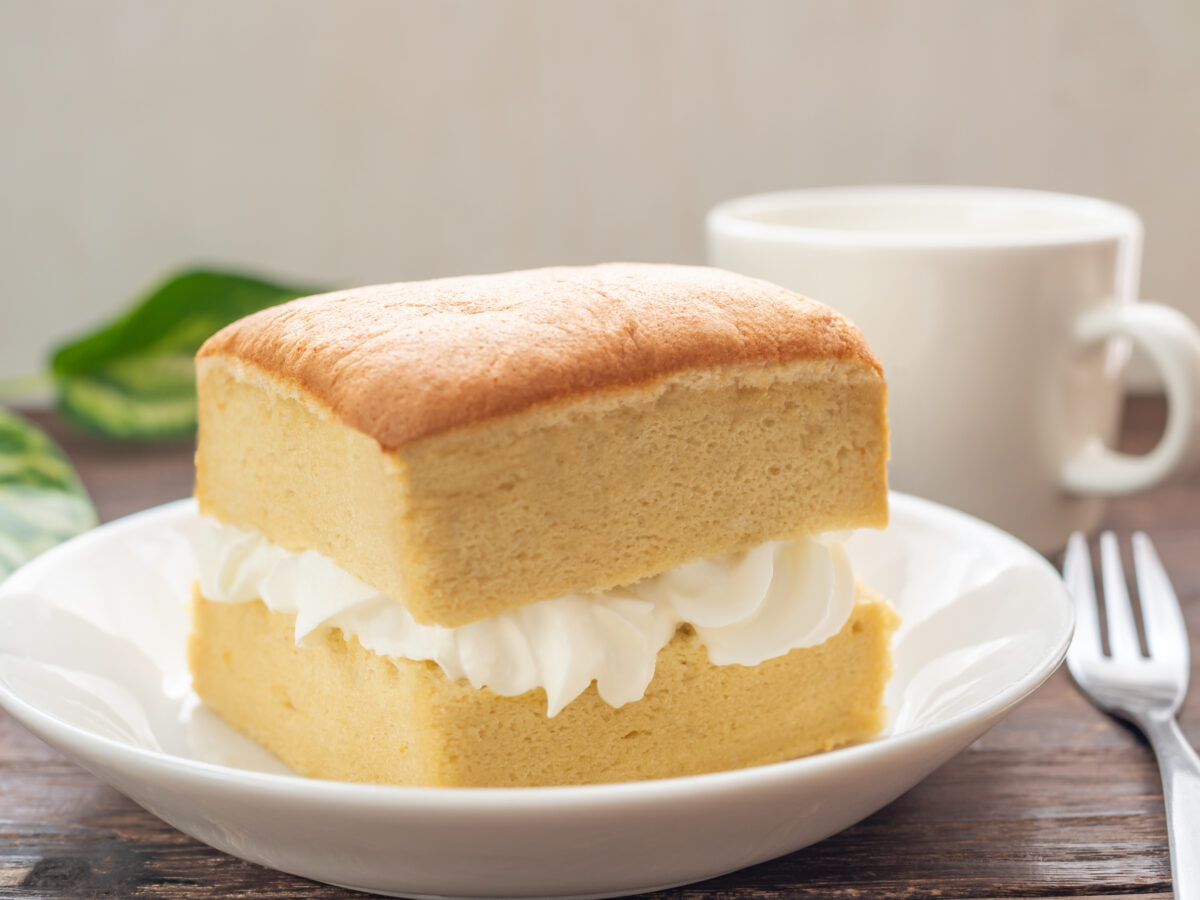
Navigating artisanal or local bakery items without nutritional labels presents an additional challenge. In these cases, strict portion control is essential. Added ingredients such as whipped cream, sweet red bean paste, or honey glazes can significantly elevate total calories and sugar density. When nutritional details are unavailable, choosing castellas made with simple ingredients and dividing larger slices into smaller servings can help prevent unexpected blood sugar spikes.