When U.S. Vice President JD Vance walked into the White House briefing room on March 3, a reporter lobbed an unexpected question. Pointing out that the 41-year-old vice president appeared to have lost a significant amount of weight, the reporter asked how much sauerkraut—cabbage fermented after being salted—he eats in a day. Vance laughed, quipping, “If we’re talking about weight loss, I must have been extremely heavy before.”
Despite the lighthearted moment, a cabbage-based, fermented-food diet has recently gained real traction among senior U.S. administration officials who credit the regimen with noticeable weight-loss results.
Cabinet Members Slim Down on Fermented Regimen
The weight-loss movement within the administration began when Vance sought dietary advice from Health and Human Services Secretary Robert F. Kennedy Jr., 72, who reportedly lost 9 kg (nearly 20 pounds) in just one month. According to The Wall Street Journal, Vance and Kennedy were joined in the diet by Commerce Secretary Howard Lutnick, 64, and Transportation Secretary Sean Duffy, 54.
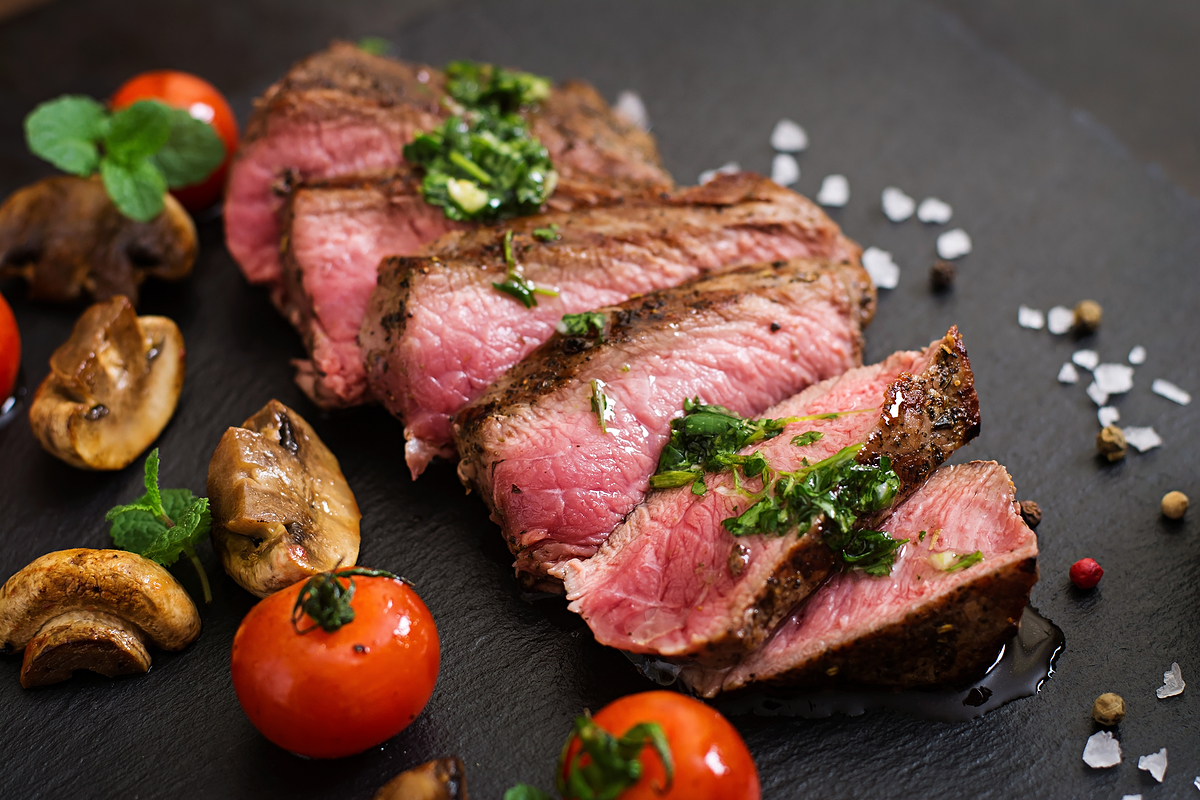
The officials have been following dietary guidance from Dr. Sean O’Mara, who served as a White House physician during the George W. Bush administration. Dr. O’Mara emphasizes a diet centered on fermented foods—such as sauerkraut and kimchi—paired with grass-fed beef, while strictly eliminating alcohol and high-sugar foods. The strategy focuses on combining protein with fiber-rich fermented vegetables to support metabolic health while removing excess calories and sugar.
Sauerkraut and Kimchi: Fermented Fiber for Metabolic Health
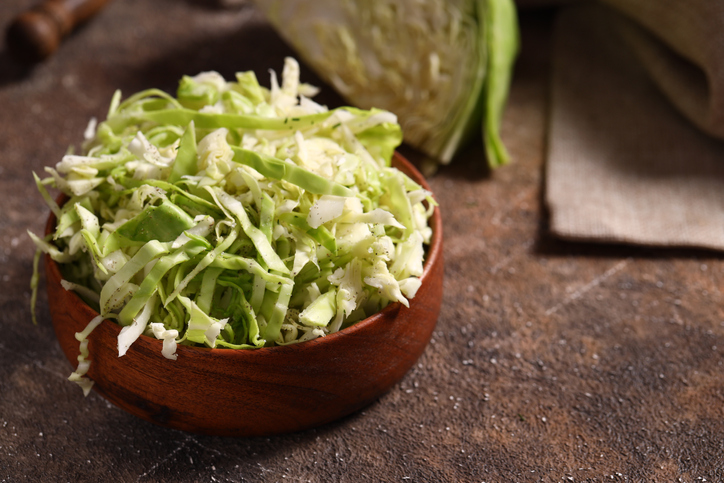
Sauerkraut is a traditional German fermented dish made by salting finely shredded white cabbage and packing it into containers to ferment for about a month at temperatures of 15.5°C (60°F) or lower. Typically served alongside sausages or meat dishes, sauerkraut shares a similar sour profile and production logic with Korea’s salt-pickled kimchi. The dietary fiber in cabbage helps lower cholesterol absorption from meat while supporting stable blood sugar control.
In January, the U.S. Department of Health and Human Services and the Department of Agriculture updated national dietary guidelines to explicitly recommend fermented foods—including sauerkraut, kimchi, and kefir—marking the first time kimchi has appeared in official U.S. dietary guidance.
For those who already regularly consume kimchi, making German-style pickled cabbage is unnecessary, as studies consistently demonstrate that kimchi provides comparable benefits for weight management and blood sugar regulation. However, nutritionists caution that excessively salty kimchi can increase the risk of high blood pressure and stomach cancer, making moderate sodium levels essential.
Beyond fermentation benefits, raw and cooked cabbage offers significant gastrointestinal and cardiovascular protection. Cabbage is rich in Vitamin U, which protects the stomach mucosa, as well as Vitamin K, which helps repair damaged mucosal tissue. It also aids in preventing and managing non-alcoholic fatty liver disease. Preparing raw cabbage the night before allows for easy consumption on an empty stomach in the morning, while cabbage’s sulforaphane content activates proteins that suppress blood clot formation, directly supporting vascular health.