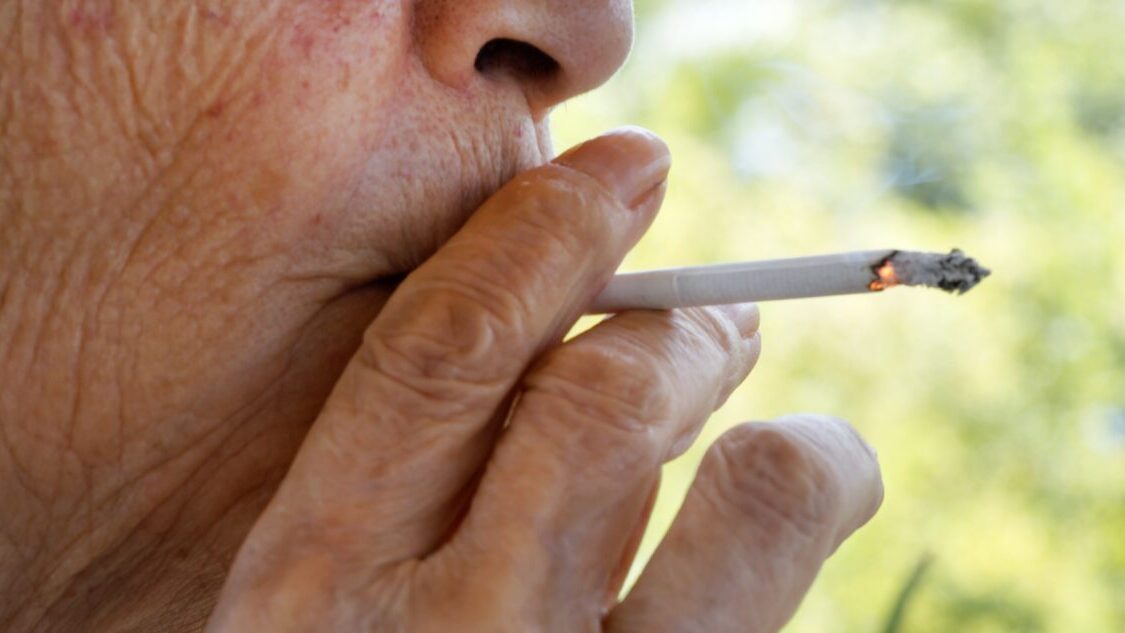
A cancer diagnosis is often considered a powerful catalyst for lifestyle changes, yet real-world data reveals that nearly 40% of patients who smoked at the time of diagnosis continue to smoke combustible cigarettes afterward.
Whether patients quit or continue smoking drastically impacts their long-term survival and cardiovascular health. According to a landmark study by Samsung Medical Center, cancer patients who quit completely experienced significantly fewer major cardiovascular events, such as heart attacks and strokes, alongside a lower overall risk of death.
A joint research team led by Shin Dong-wook and Choi Hye-rim (Professors of Family Medicine at the Cancer Survivorship and Quality of Life Research Institute), Kim Hong-kwan (Professor of Thoracic and Esophageal Surgery), and Kang Dan-bi (Professor at the Clinical Epidemiology Research Center) analyzed National Health Insurance Service data tracking 46,834 patients who were active smokers when diagnosed with cancer between 2015 and 2022. The findings were published in the American Journal of Public Health.
37.2% Keep Smoking Combustible Cigarettes Post-Diagnosis
Over a median follow-up period of 4.2 years, the researchers evaluated patient outcomes based on post-diagnosis smoking habit adjustments, controlling for age, sex, income, cancer type, treatment modalities, baseline smoking intensity, and underlying comorbidities.
The analysis revealed that 17,418 patients (37.2%) continued smoking combustible cigarettes following their diagnosis. Meanwhile, 25,909 patients (55.3%) quit completely, and 3,507 patients (7.5%) utilized e-cigarettes. Among the e-cigarette group, dual use was prevalent: 2,252 individuals (64.2%) continued to smoke combustible cigarettes alongside e-cigarettes, indicating that most had not fully transitioned away from traditional tobacco.
Complete Cessation Dramatically Improves Outcomes
The health divergence between patients who quit and those who continued smoking was distinct. Patients who achieved complete cessation demonstrated a 36% lower risk of major adverse cardiovascular events—including myocardial infarction and stroke—and an 8% lower overall mortality risk compared to those who continued smoking combustible cigarettes.
Cancer therapies cannot counteract the vascular damage inflicted by ongoing tobacco use. Smoking accelerates endothelial dysfunction and hypercoagulability, significantly heightening cardiovascular risk. The study confirms that even for long-term smokers, quitting immediately after a cancer diagnosis yields substantial survival and vascular benefits.

The E-Cigarette Dilemma and Harm Reduction
Differences also emerged when evaluating e-cigarette users against continuous combustible smokers. Patients using e-cigarettes exhibited a 16% lower overall mortality risk and a 28% lower cardiovascular event risk compared to those who exclusively smoked combustible cigarettes.
However, researchers caution against interpreting the data as an endorsement of e-cigarettes for cancer survivors. As an observational study reflecting real-world behavioral patterns rather than a randomized clinical trial, the results do not prove direct causation between e-cigarette use and reduced mortality.
Furthermore, because nearly two-thirds of e-cigarette users remained dual users, e-cigarette consumers faced a 26% higher risk of pulmonary complications compared to patients who quit smoking entirely.
"The core of cancer survivor care remains complete smoking cessation," the research team emphasized. "However, for patients who find immediate quitting exceptionally difficult, completely switching to e-cigarettes may be carefully considered as a secondary harm-reduction alternative to continuing combustible smoking."

Overcoming Addiction with Medical Intervention
A long-standing nicotine addiction does not automatically vanish upon receiving a cancer diagnosis. Quitting is frequently hampered by severe withdrawal symptoms—including intense cravings, irritability, anxiety, and impaired concentration—as well as deeply ingrained daily routines. For cancer patients, the acute psychological distress of a diagnosis can exacerbate tobacco reliance. Studies show that continued smoking is especially prevalent among younger survivors, heavy baseline smokers, and lower-income demographics.
Because willpower alone is often insufficient, medical experts advise combining behavioral counseling with evidence-based smoking cessation pharmacotherapy, such as nicotine replacement patches, gum, or prescription cessation medications. Cancer patients are encouraged to consult their oncology teams or utilize dedicated hospital cessation programs to structure a safe, personalized quit plan.