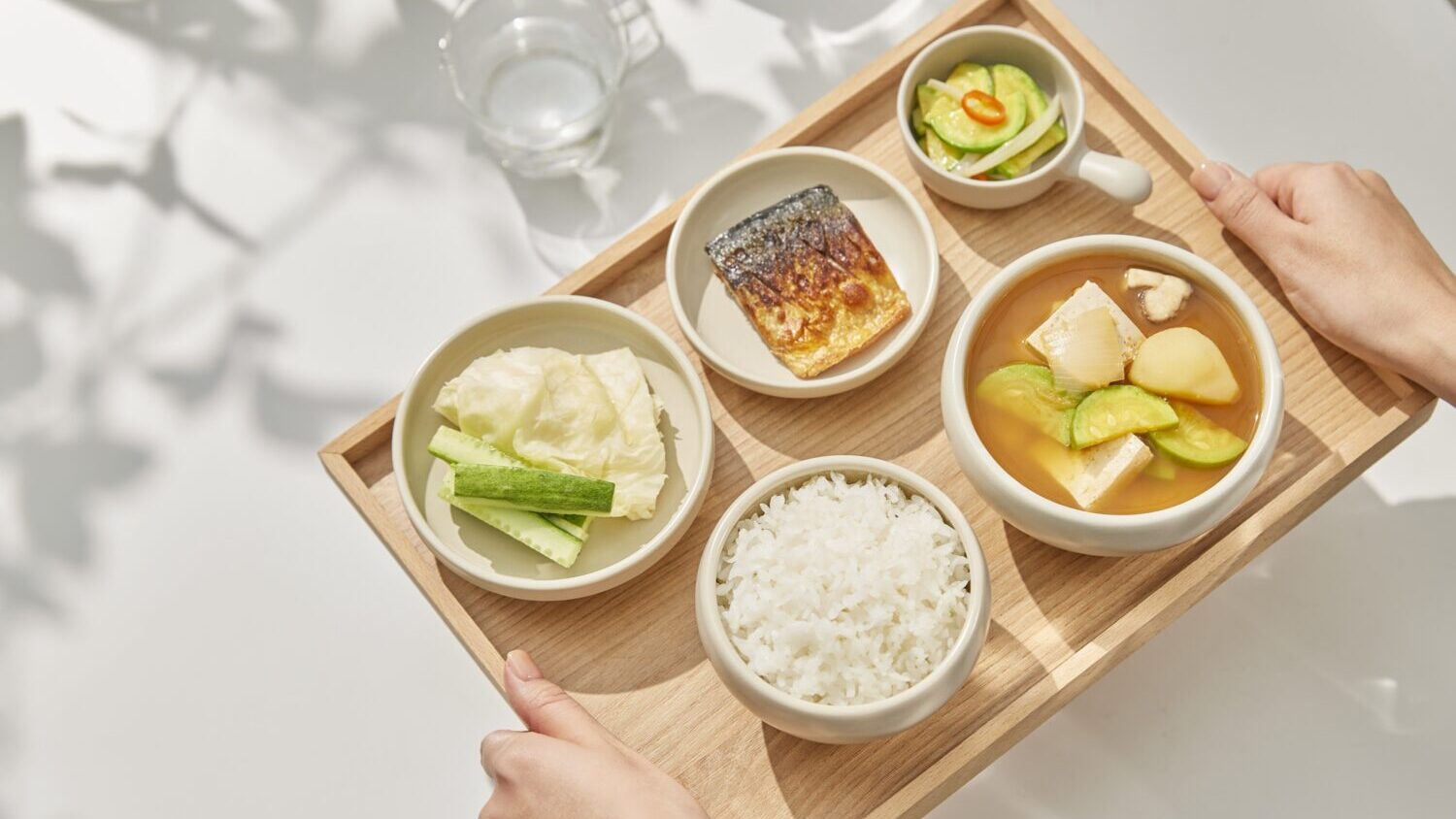
If you worry about sharp blood sugar spikes after eating rice or noodles, start by looking at the vegetables on your plate. Most vegetables are low in calories and rich in water and dietary fiber, making them reliable allies for glucose control. Eating plenty of low-carbohydrate vegetables while keeping rice or noodle portions in check can help blunt post-meal rises in blood sugar. Here are four standouts worth adding to your table.
Cabbage: Eat it before a meal to feel fuller and curb rice portions
Low in calories and rich in water and fiber, cabbage fits easily into a blood-sugar-friendly diet. Its dietary fiber helps temper sharp post-meal glucose spikes by slowing how quickly carbohydrates are digested and absorbed. Eating cabbage before the rest of your meal can also boost fullness and prevent overeating rice or noodles.
Cabbage works best raw or lightly steamed, and its leaves double as wraps that naturally help rein in rice portions while increasing vegetable intake. Watch out for sugary salad dressings, though, which can quickly add unwanted sugar.
Broccoli: Fiber and vitamin C to steady post-meal blood sugar
Broccoli supplies dietary fiber alongside vitamin C and folate. Its low carbohydrate content makes it an easy companion to meals built around rice or bread, while getting enough fiber helps moderate post-meal blood sugar increases.
Lightly steaming broccoli is better than boiling it for long stretches, as it minimizes the loss of water-soluble nutrients like vitamin C into the cooking water. Pairing steamed broccoli with protein-rich foods such as tofu, eggs or fish also helps round out a carbohydrate-heavy meal.
Spinach: Magnesium and potassium for blood sugar and blood pressure
Spinach is a leafy green packed with dietary fiber, folate and magnesium. Magnesium plays an essential role in glucose metabolism and insulin action, making adequate intake important for maintaining normal blood sugar regulation.
Low in carbohydrates, spinach is another smart fit for glucose management. It also provides potassium, which helps the body flush out sodium and maintain healthy blood pressure.
You can briefly blanch spinach for a seasoned side dish or toss it into soup. When seasoning it, go easy on salt and soy sauce—keeping sodium in check is especially important if you have high blood pressure.
Napa cabbage: A crisp wrap that balances carb-heavy meals
Managing post-meal blood sugar depends on overall meal balance just as much as individual ingredients. As part of dietary therapy for diabetes, the Korea Disease Control and Prevention Agency recommends controlling carbohydrate intake, getting enough dietary fiber and eating a balanced variety of foods, including vegetables.
Napa cabbage fits neatly into that approach. High in water and low in calories and carbohydrates, it delivers dietary fiber, vitamin C and folate. Low-starch vegetables like napa cabbage are classified as “non-starchy vegetables,” contributing far fewer carbohydrates than starchy foods such as potatoes and sweet potatoes.
Napa cabbage can be eaten raw or briefly blanched and used as a wrap. Its thick stalks add a crisp crunch that encourages slower chewing and helps pace your meal. Keep in mind, however, that napa cabbage kimchi can be high in sodium due to salt and salted, fermented seafood, so it is best enjoyed in moderate portions.