For many individuals, the prospect of colorectal cancer screening brings hesitation—not necessarily because of the procedure itself, but because of the demanding preparation. A traditional colonoscopy requires consuming large volumes of bowel-cleansing medication and making repeated trips to the bathroom the day before the exam. While fecal occult blood tests offer a non-invasive alternative, collecting stool samples still creates discomfort for many patients.
Now, a research team in South Korea has presented a liquid biopsy approach that detects colorectal cancer using a standard blood draw. While additional clinical validation is required before the method enters routine primary care, the study marks a significant step toward making colorectal cancer screening far more accessible.
AI Deep-Learning Model Achieves 90.4% Diagnostic Sensitivity
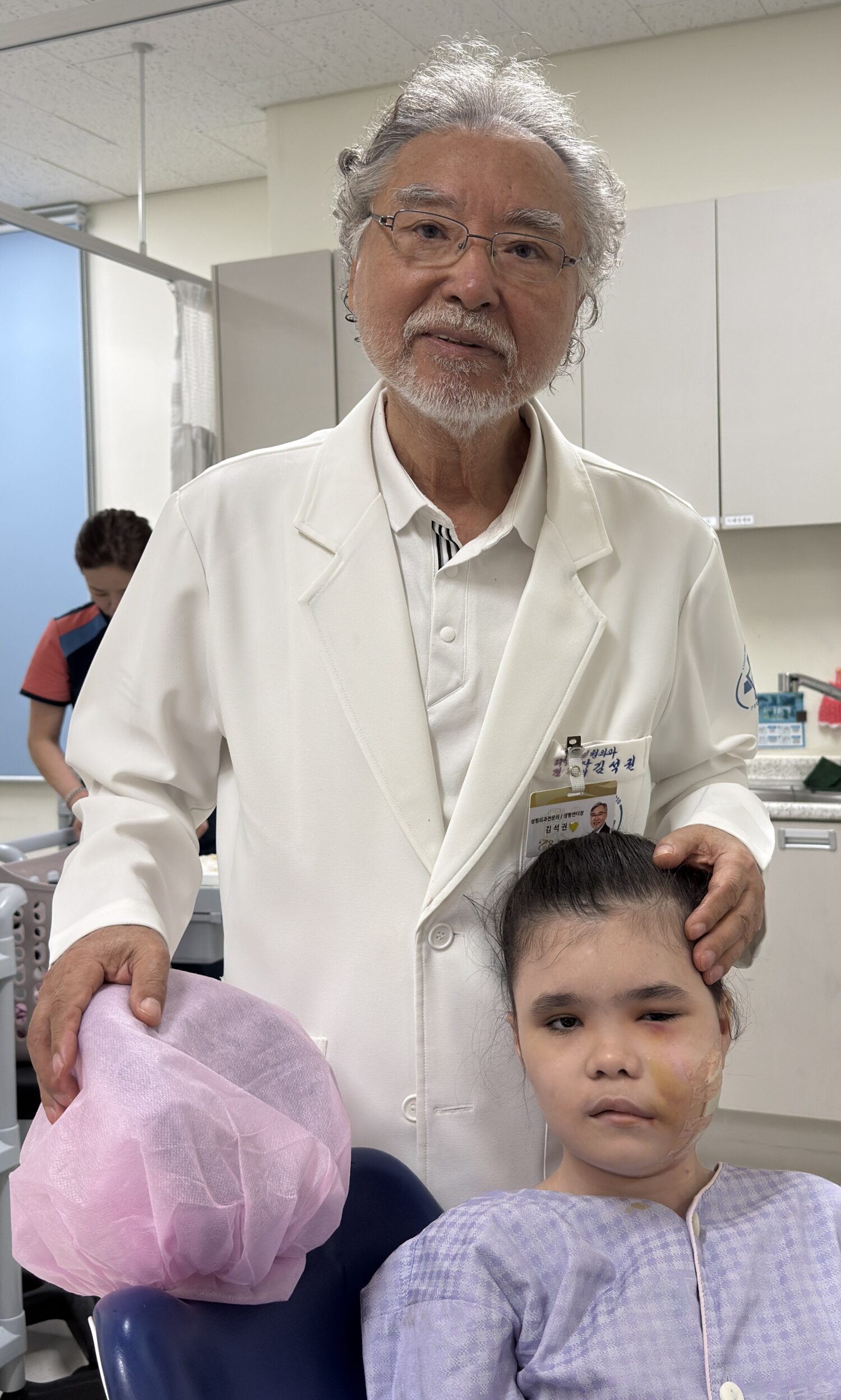
On the 27th, a research team led by Prof. Byun Jung-sik and Prof. Hong Seung-wook of the Division of Gastroenterology at Asan Medical Center in Seoul announced that a novel blood-based diagnostic test for colorectal cancer demonstrated exceptionally high accuracy. The findings were published in the American Journal of Gastroenterology.
Analyzing blood samples from a cohort of over 1,000 individuals—including confirmed colorectal cancer patients and healthy control subjects—the team achieved a diagnostic sensitivity of 90.4% by applying an artificial intelligence deep-learning model. By comparison, the conventional fecal occult blood test used in population-level screening typically yields a sensitivity of 70% to 80%. The integration of AI significantly enhanced the blood test's ability to identify cancer markers accurately.
Third Most Common Cancer in South Korea, Yet Screening Rates Lag
Colorectal cancer represents a significant public health burden. According to statistics from the Korea Central Cancer Registry, 32,610 new cases of colorectal cancer were diagnosed in 2023, making it the third most common cancer overall, trailing only thyroid and lung cancers.
Demographic data shows distinct age-related patterns:
Men: Colorectal cancer is most prevalent among men in their 50s, whereas prostate cancer dominates in their 60s and 70s, and lung cancer leads among men aged 80 and older.
Women: Breast cancer is most common among women in their 40s, 50s, and 60s, while lung cancer leads in their 70s. Colorectal cancer is most frequently diagnosed in women aged 80 and older.
Despite its high incidence, preventive screening rates remain surprisingly low. Under South Korea’s national cancer screening program, the baseline test is a fecal occult blood test; individuals with positive results are recommended for a follow-up colonoscopy. However, National Health Insurance Service data indicates that the participation rate for colorectal cancer screening stands at just 44.4%—the lowest among all major targeted cancers. Furthermore, many who test positive on the initial stool test fail to pursue the secondary colonoscopy.
Asymptomatic Early Stages Highlight Need for Early Detection
Routine screening is critical because early-stage colorectal cancer rarely presents noticeable symptoms. During a colonoscopy, clinicians can also identify and remove advanced precancerous polyps, effectively preventing malignancy before it develops.
When colorectal cancer progresses to more advanced stages, symptoms become increasingly evident. Key warning signs include:
Noticeable changes in bowel habits, such as new-onset constipation or diarrhea
A persistent feeling of incomplete bowel evacuation
Visible blood in the stool or sticky, mucus-like stool
Unexplained narrowing of the stool caliber
Abdominal discomfort, pain, or persistent bloating
Unexplained weight loss, muscle weakness, and fatigue
Loss of appetite, indigestion, nausea, or vomiting
A palpable mass felt in the abdominal region
Gastroenterologists emphasize that anyone experiencing these symptoms should seek prompt medical consultation and diagnostic evaluation.