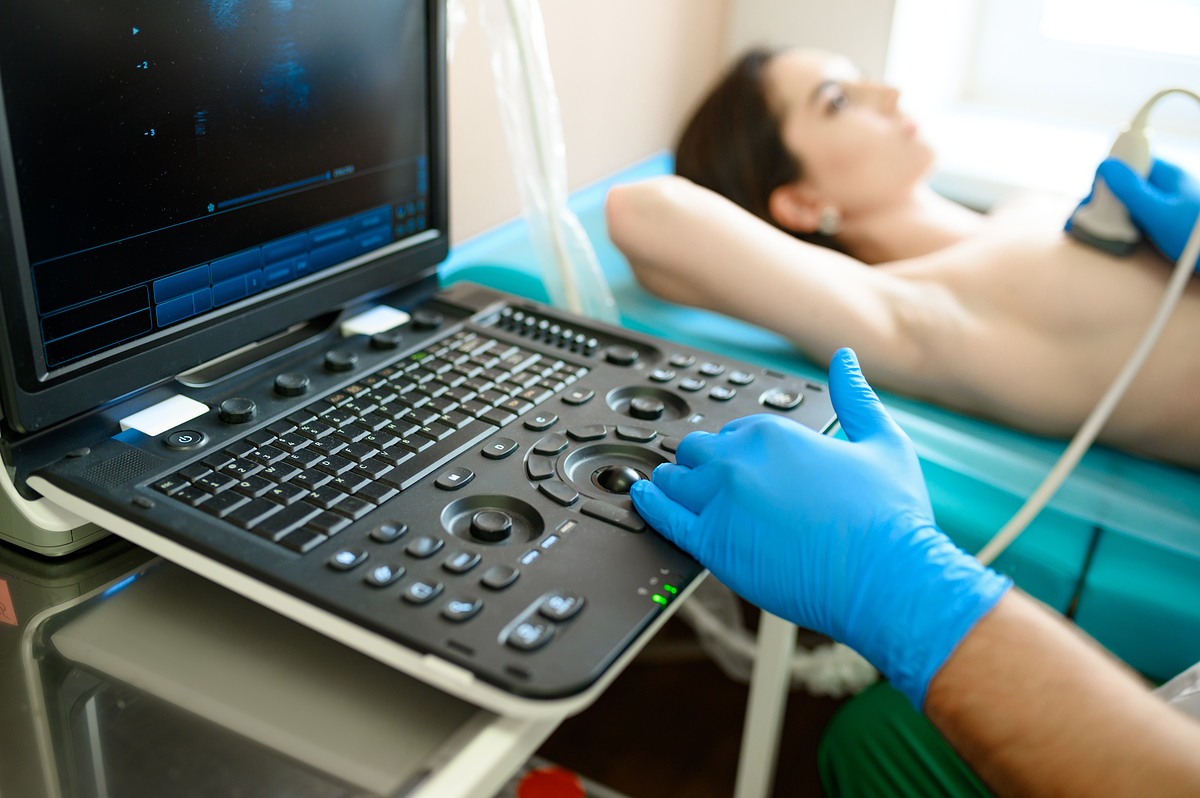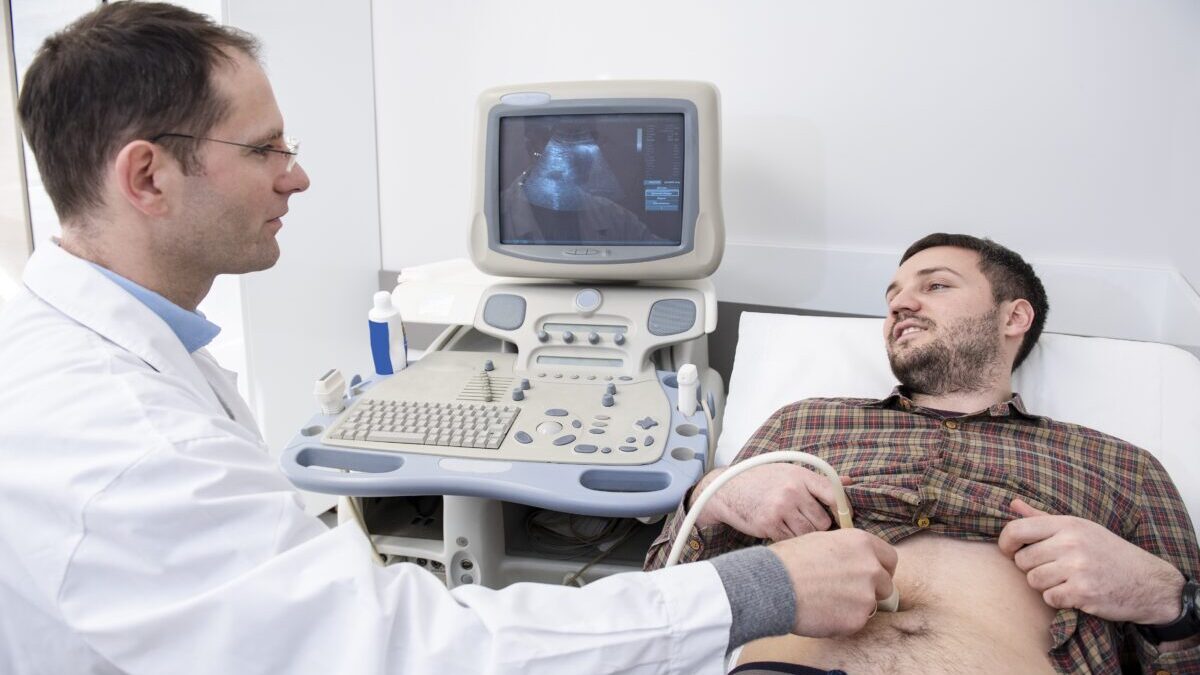
Fatty liver disease is one of the most common findings during routine health screenings. While many cases remain benign, some patients progress to liver cirrhosis or liver cancer, making early identification of high-risk individuals critical. South Korean researchers now report that an abdominal ultrasound exam equipped with specialized imaging technology can effectively predict liver cancer risk without requiring additional specialized testing.
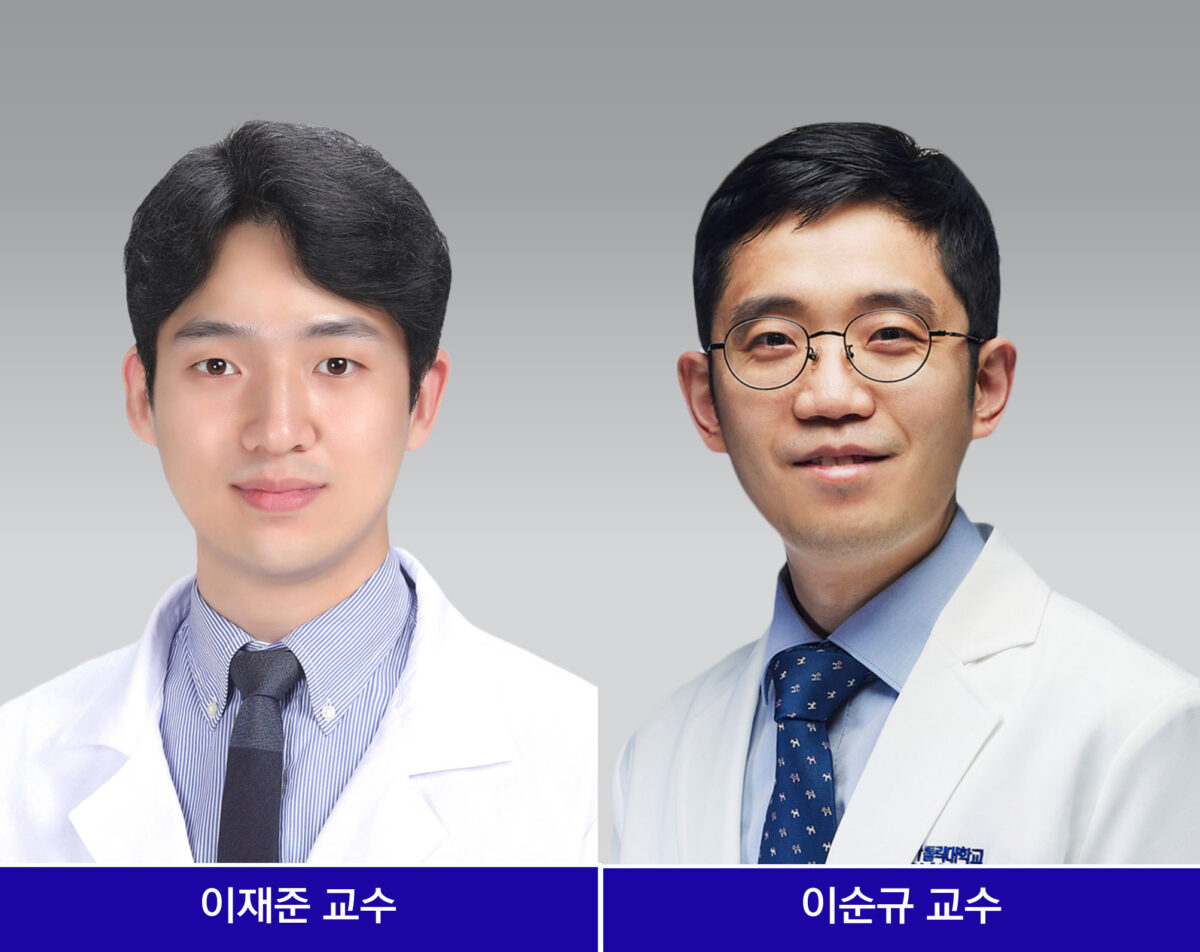
The study was led by Prof. Lee Jae-joon of the Division of Gastroenterology at The Catholic University of Korea’s Eunpyeong St. Mary’s Hospital and Prof. Lee Soon-gyu of the Division of Gastroenterology at Incheon St. Mary’s Hospital. On August 24, the team announced that shear-wave elastography (SWE)—a functional feature built directly into standard abdominal ultrasound equipment—predicted the risk of liver cancer and liver disease complications in fatty liver patients at a level comparable to vibration-controlled transient elastography (VCTE), the current clinical benchmark. The findings were published online in Hepatology, the official journal of the American Association for the Study of Liver Diseases (AASLD).
Streamlining Liver Fibrosis Testing via Standard Ultrasound
Metabolic dysfunction-associated steatotic liver disease (MASLD) occurs when excess fat accumulates in liver cells. Left unmanaged, MASLD can advance to liver fibrosis, cirrhosis, liver failure, or liver cancer.
Current clinical guidelines recommend initially calculating a patient's Fibrosis-4 (FIB-4) index using age and routine blood test results, followed by VCTE—commonly known by the brand name FibroScan—to measure liver stiffness in patients flagged for higher risk. However, VCTE requires dedicated equipment that is not universally available in standard clinics.
This requirement led researchers to evaluate SWE, a technology embedded within conventional abdominal ultrasound systems. SWE measures tissue elasticity and liver stiffness in real time during a routine ultrasound exam, eliminating the need for a separate procedure. Until now, however, large-scale clinical data validating SWE's long-term ability to predict liver cancer and disease complications remained limited.
Tracking 2,817 Patients Over 6,004 Person-Years
The research team analyzed 2,817 MASLD patients across Eunpyeong St. Mary’s Hospital and Incheon St. Mary’s Hospital who underwent both SWE and VCTE on the same day between 2019 and 2025. Patients were stratified into low-, intermediate-, and high-risk categories according to risk assessment frameworks established by the American Gastroenterological Association (AGA) and the European Association for the Study of the Liver (EASL).
Over a total follow-up period of 6,004 person-years (with a median follow-up of approximately 20 months), 53 major liver-related events occurred, including 29 diagnoses of primary liver cancer and 24 cases of severe liver dysfunction complications, such as ascites, variceal bleeding, and hepatic encephalopathy.
Statistical analysis revealed that under the AGA classification using SWE, the risk of developing liver-related complications was 7.6 times higher in the intermediate-risk group and 9.86 times higher in the high-risk group compared to the low-risk baseline. Complication risks showed a similarly clear stepwise increase under EASL criteria.
When evaluating long-term predictive accuracy using area under the curve (AUC) metrics—where values closer to 1.0 signify stronger predictive performance—SWE performed nearly identically to VCTE. Under AGA criteria, SWE scored 0.770 compared to VCTE's 0.775; under EASL criteria, SWE scored 0.804 compared to VCTE's 0.805, showing no statistically significant performance gap. Furthermore, patient risk classification agreement between the two modalities was exceptionally high: 93.6% under AGA criteria and 95.3% under EASL criteria.
Improving Patient Accessibility and Screening Efficiency
"While fatty liver is extremely prevalent, only a subset of patients progresses to severe liver disease, making early screening of truly high-risk individuals essential," said Prof. Lee Jae-joon. "This study confirms that combining SWE during a standard abdominal ultrasound with initial FIB-4 scoring can reliably identify high-risk patients while reducing the burden of supplementary testing."
Prof. Lee Soon-gyu noted that while the results do not imply total equivalence or complete replacement of VCTE across all clinical scenarios, they validate SWE's utility using robust, large-scale patient data. "Future prospective, multicenter studies refining testing thresholds will further improve clinical accessibility and healthcare efficiency for fatty liver care," he added. Patients receiving a fatty liver diagnosis during routine health checkups can consult their physician about incorporating SWE measurements during their standard abdominal ultrasound.
Both investigators have earned wide recognition across international liver research societies. Prof. Lee Jae-joon received the Best Presentation Award at "The Liver Week 2026" hosted by the Korean Association for the Study of the Liver—marking his second consecutive year winning the honor—following a Top 3 Best Abstract Award at the 2025 Asia-Pacific Primary Liver Cancer Expert Meeting (APPLE). Prof. Lee Soon-gyu was previously honored with the Young Investigator Award at the same international conference.