Gout causes pain so excruciating that even a light breeze brushing against the skin can feel agonizing. While beer is widely cited as a classic trigger, less obvious foods such as mackerel, organ meats, and chicken breast can also increase the risk of gout because they are exceptionally high in purines.
Gout develops when uric acid fails to properly excrete from the body and accumulates in the bloodstream. Under normal conditions, uric acid dissolves in blood and filters out through urine. However, when excessive amounts build up, it forms sharp crystals that trigger severe inflammation and joint pain.
Uric acid is produced when the body metabolizes purines found in food. Because purines exist in almost all food sources, eliminating them entirely from your diet is unrealistic. Instead, reducing gout risk relies on avoiding excessive intake of foods particularly high in purines during day-to-day eating.
Mackerel Packs Three Times the Purines of a Glass of Beer
A study examining eight types of beer found an average purine content of 7.05 mg per serving, which equates to roughly 35 mg in a 500 mL glass. By contrast, a 100-gram serving of mackerel contains approximately 122 mg of purines—about three times the amount in a 500 mL beer.
While mackerel is rich in unsaturated fatty acids that lower blood cholesterol and support vascular health, individuals monitoring their uric acid levels should proceed with caution. Health experts advise limiting mackerel to two or three times a week. Additionally, opting for preparations like steaming or braising rather than grilling—and eating primarily the fish flesh while leaving the broth—can help lower purine intake. Because purines are water-soluble, significant amounts leach into liquid during cooking.
Pairing Organ Meats with Alcohol Compounds the Risk
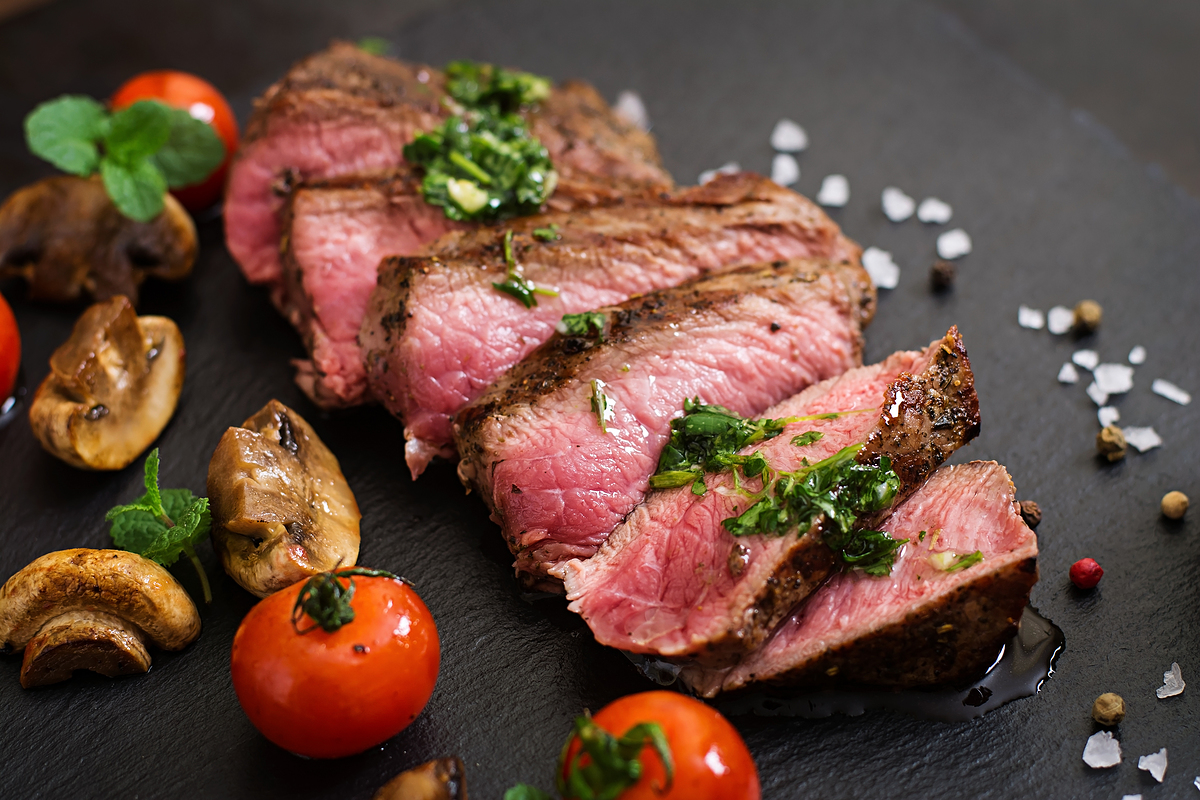
Purines are heavily concentrated in animal organs such as liver and intestines. This occurs because organ tissues serve as hubs where absorbed nutrients accumulate before metabolic processing. Reports show that 100 grams of pork liver contains roughly 284 mg of purines, while beef liver contains around 219 mg.
For those concerned about gout, pairing organ meats with alcohol is especially hazardous. Alcohol suppresses the kidneys' ability to excrete uric acid, causing them to flush out water while retaining uric acid in the bloodstream.
Swapping Chicken Breast for Legumes to Lower Uric Acid
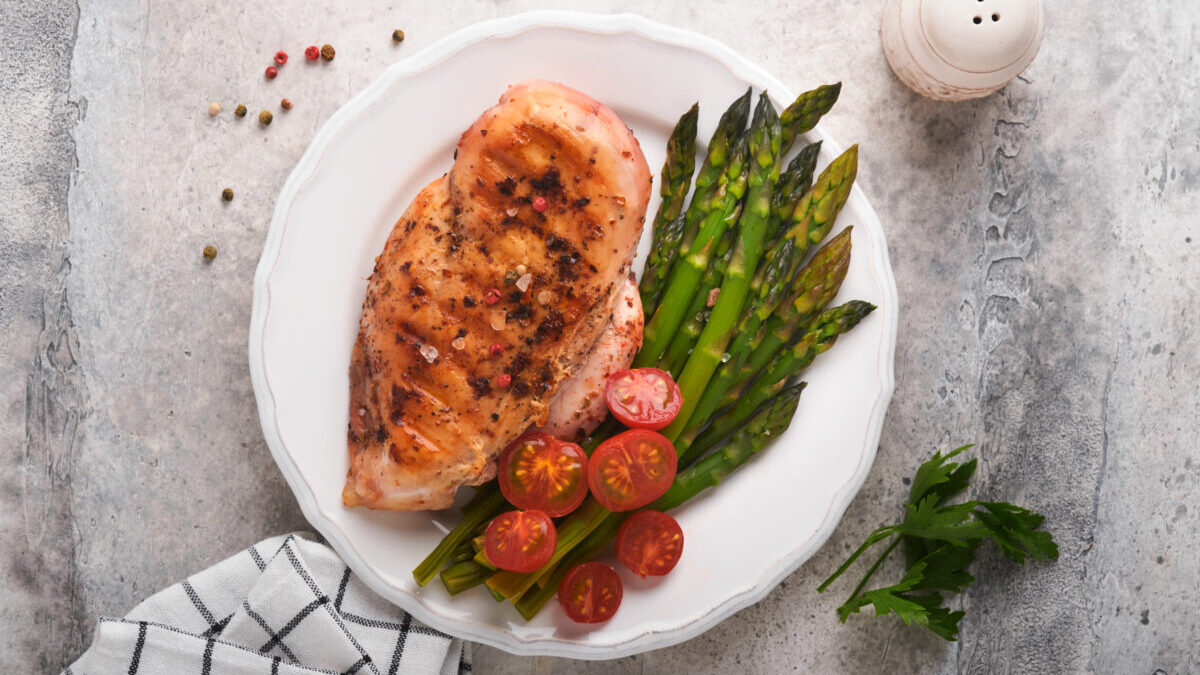
Chicken breast is widely prized as a low-fat, high-protein staple for weight management and building muscle mass. However, consuming it indiscriminately can inadvertently raise uric acid levels, as 100 grams of chicken breast contains about 141 mg of purines.
If gout is a concern, swapping chicken breast for plant-based proteins like legumes offers a practical alternative. Unlike animal proteins, legumes are lower in purines while providing rich amounts of dietary fiber and essential vitamins.
As U.S. registered dietitian Ashley Kitchens explained to the nutrition outlet EatingWell, "Legumes such as lentils and kidney beans are high-quality sources of protein. Because they have a lower purine content than red meat, they help reduce uric acid production."