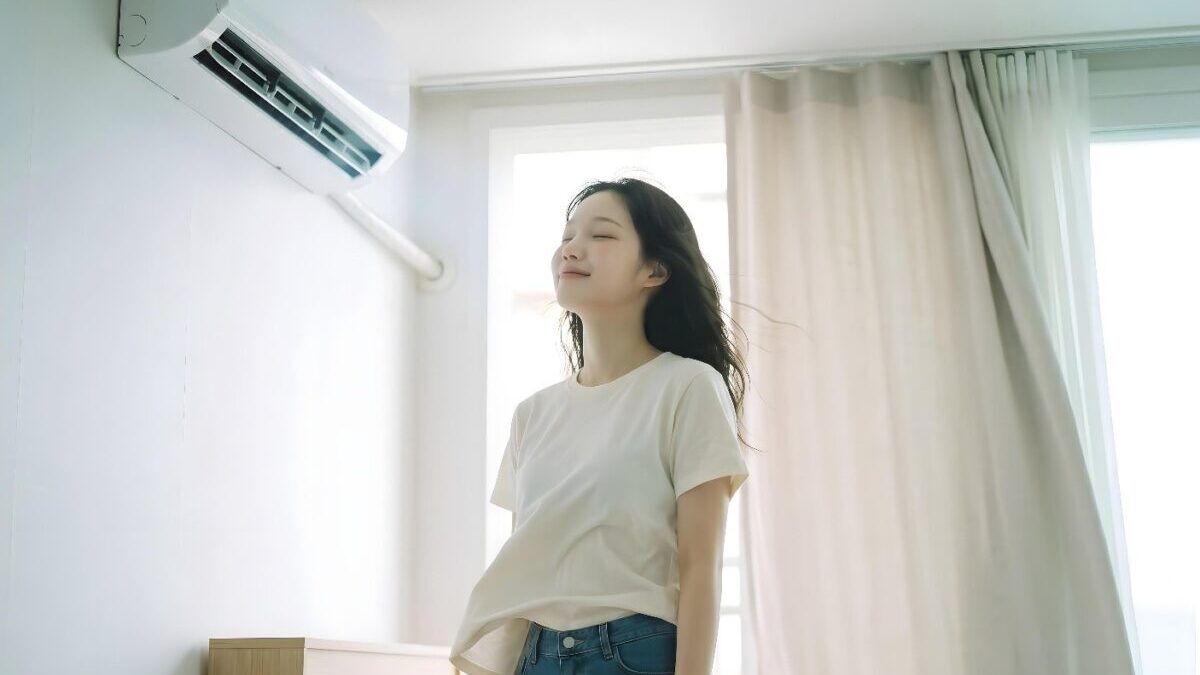
As summer heatwaves stretch on, air conditioners run continuously in homes and offices. While fans provide a gentle breeze, sitting in air-conditioned air for prolonged periods often leaves people with tight necks, stiff shoulders, and throbbing knees or lower back pain.
Why do fans and air conditioners feel so different when both simply blow air?
A fan circulates ambient room air. As airflow passes over the skin, it draws away heat and accelerates sweat evaporation, creating a refreshing cooling effect. An air conditioner, in contrast, discharges air that has been actively cooled. When a continuous stream of cold air hits a specific body part—such as the neck, shoulders, or knees—local skin temperature drops sharply.
Consequently, individuals with pre-existing conditions like knee osteoarthritis or chronic lower back pain may experience heightened stiffness and discomfort after prolonged exposure to air conditioning.
Yonsei Sarang Hospital refers to this seasonal pattern—where joint and spinal discomfort becomes more pronounced in air-conditioned environments—as so-called “air-conditioning joint syndrome.” While not an official medical diagnosis, it shares similarities with “air-conditioning sickness,” an umbrella term for symptoms like headaches, fatigue, and muscle aches caused by overly chilled indoor spaces.
Why Direct AC Airflow Feels Colder—and Causes Stiffness
In heating, ventilation, and air-conditioning (HVAC), discomfort caused when a specific body part is excessively chilled by direct airflow is known as a “draft.”
Even at identical speeds, colder air strips heat from the body far more rapidly. Standing or sitting directly in the path of an air-conditioning vent leads to rapid heat loss in exposed areas like the neck, shoulders, and legs. Controlled studies on air-conditioning exposure demonstrate that increased airflow significantly lowers skin temperature on exposed surfaces, including the forehead, arms, and hands.
Fans operate differently because they do not reduce overall room temperature; instead, they facilitate the body's natural heat loss mechanisms. However, sitting directly in front of a strong fan for extended periods can still cause localized chilling or dry out the eyes due to accelerated tear evaporation.
Ultimately, discomfort is determined by air temperature, wind speed, and exposure duration. Direct air-conditioning airflow is particularly intense because low temperatures and high air velocity hit the body simultaneously.
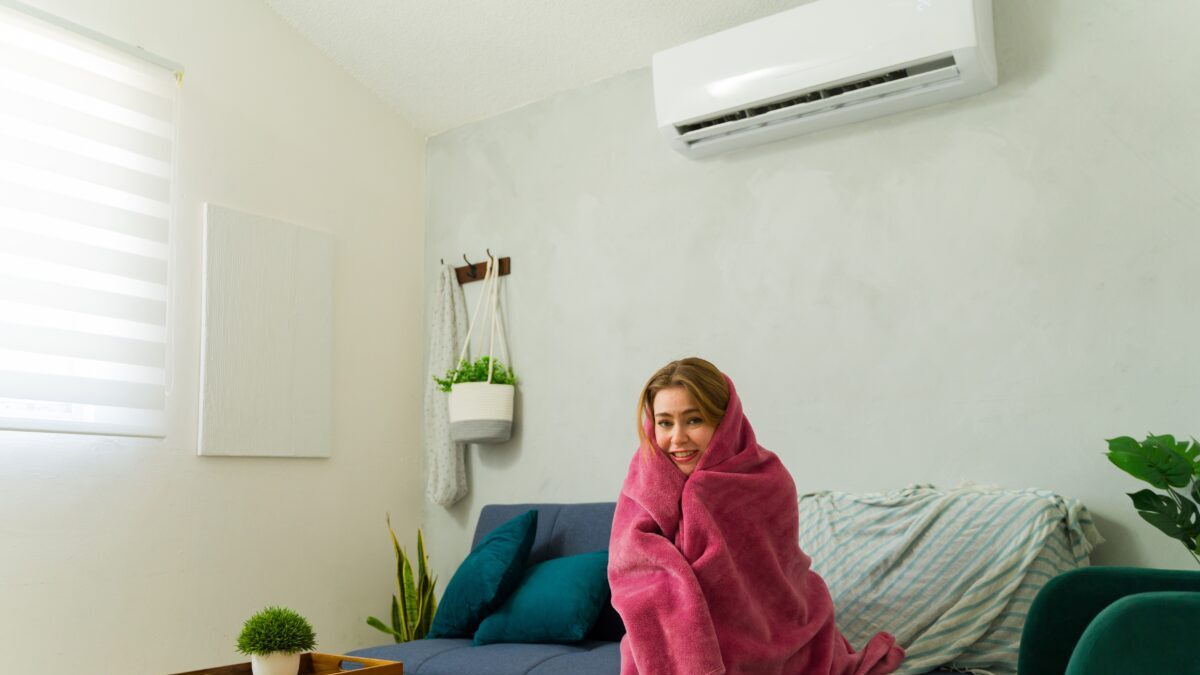
Cold Air Doesn't Damage Joint Cartilage
Crucially, there is no scientific evidence that cold air-conditioning damages joint cartilage or accelerates degenerative osteoarthritis.
Medical research on the relationship between temperature and joint pain presents mixed findings. A 2023 systematic review and meta-analysis published in Annals of Medicine, which analyzed 14 observational studies on weather and osteoarthritis, noted a trend toward increased joint pain in lower temperatures.
Conversely, a 2024 systematic review analyzing 11 studies involving 15,315 individuals found no clear association between temperature, humidity, atmospheric pressure, or precipitation and the onset or exacerbation of rheumatoid arthritis, knee pain, or lower back pain.
Because neither study evaluated direct air-conditioning airflow, their findings relate strictly to general weather patterns. Rather than claiming air conditioning directly worsens arthritis, experts emphasize that cold environments and direct drafts simply make pre-existing pain and stiffness more noticeable.
Practical Steps to Protect Your Joints
There is no need to avoid air conditioning during a heatwave out of fear of damaging your joints; preventing heat-related illness remains the top priority. Instead, the focus should be on managing indoor temperatures and avoiding direct airflow.
The Korea Disease Control and Prevention Agency recommends keeping the indoor-outdoor temperature gap within 5°C and angling vents so cold air does not blow directly onto the skin. Keeping a light jacket nearby, staying hydrated, and regularly ventilating indoor spaces also help reduce symptoms.
While an indoor temperature of 24–26°C is comfortable for most people in the summer, individual needs vary based on age, overall health, activity levels, and clothing. Yonsei Sarang Hospital advises adjusting vent directions away from the knees, shoulders, and lower back, or using a light blanket in heavily air-conditioned offices and public transit.

Additionally, office workers should avoid sitting in one position for too long. Experts at Yonsei Sarang Hospital recommend standing up every 1 to 2 hours for light stretching, such as gently flexing the knees and rolling the shoulders and lower back.
Finally, patients with known degenerative osteoarthritis or chronic back pain should not automatically attribute all summer pain to air conditioning. If joint pain persists or worsens after adjusting the cooling environment, an underlying medical condition may be responsible.
“Neglecting summer joint pain by dismissing it as a temporary seasonal issue can allow the underlying condition to progress,” warned Jung Kwang-am, director of Yonsei Sarang Hospital. “If joint pain lasts for more than a week despite improving your indoor environment, you should consult an orthopedic specialist for an accurate diagnosis and treatment.”