Weight loss fundamentally relies on maintaining a caloric deficit—burning more energy than is consumed. Incorporating foods that lower overall caloric density, prolong satiety, and support fat metabolism can make adhering to a weight-management plan significantly easier. Nutrition experts frequently highlight eight versatile foods that aid in weight management through distinct physiological mechanisms.
Metabolic Boosters and Blood Sugar Regulators
Several everyday foods and spices help support metabolic rate and stabilize glucose levels to keep energy consistent:
Green Tea: Rich in polyphenolic antioxidants known as catechins, green tea promotes fat oxidation while supporting vascular health and mitigating oxidative stress.
Coffee: The caffeine in coffee stimulates the central nervous system, temporarily elevating metabolic rate and, for some individuals, suppressing appetite. To avoid unnecessary calories, plain black coffee remains the best choice over sugary coffee beverages.
Chili Peppers: Capsaicin, the active compound that gives chili peppers their heat, temporarily raises body temperature and increases energy expenditure through thermogenesis. Because overly spicy foods can irritate the digestive tract, moderation is key.
Vinegar: The acetic acid in vinegar helps blunt post-meal blood sugar spikes and enhances feelings of fullness, with research suggesting it may also help inhibit fat accumulation. Those with sensitive stomachs should avoid consuming vinegar on an empty stomach.
Cinnamon: By helping stabilize blood glucose levels, cinnamon prolongs satiety and curbs overeating. Adding a small amount to oatmeal, yogurt, or tea provides natural flavor while reducing added sugar intake.
Satiety-Promoting Staples for Hunger Management
Other foods excel at controlling appetite by delivering high-density nutrients and fiber that slow digestion:
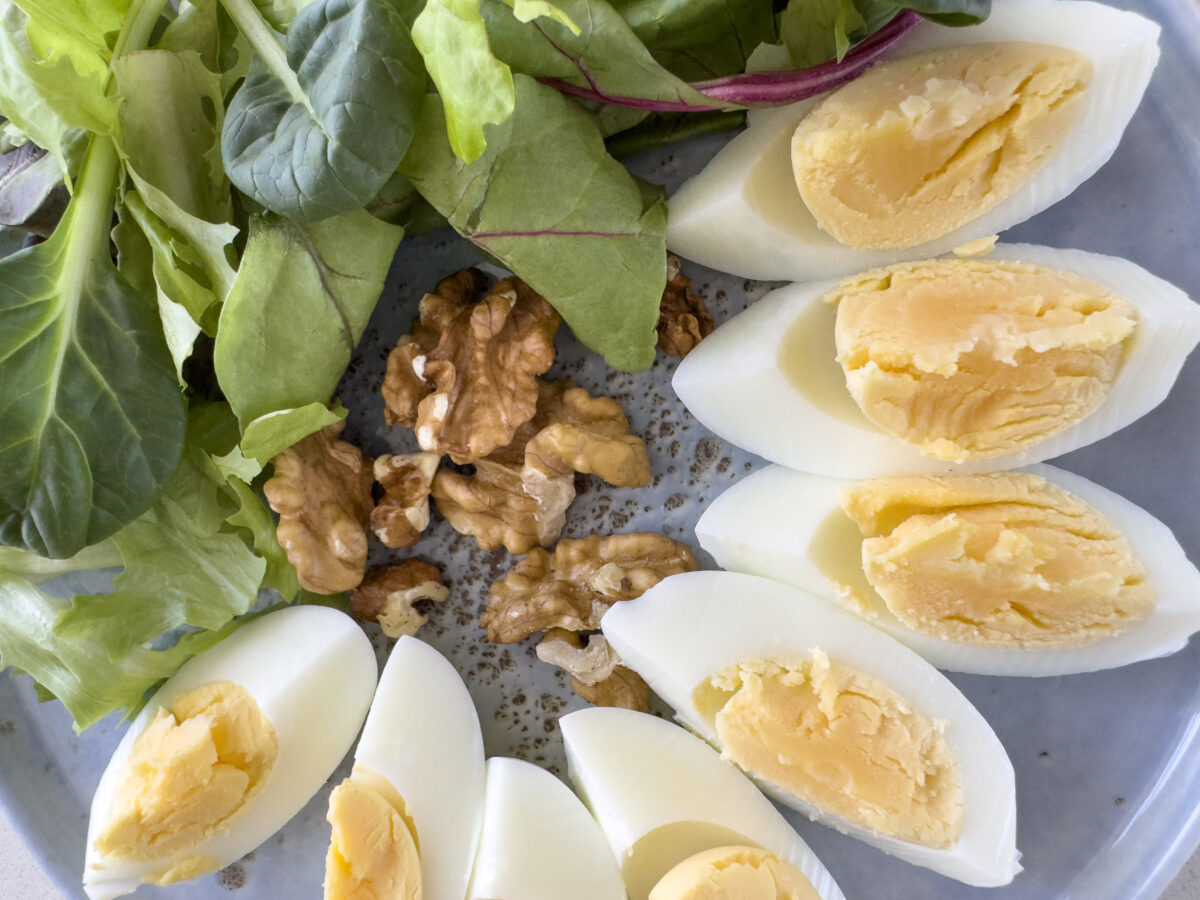
Eggs: High in complete protein and essential vitamins, eggs promote long-lasting fullness. Eating eggs at breakfast helps control appetite through the morning, naturally reducing subsequent calorie intake.
Nuts: Almonds, walnuts, and pistachios supply unsaturated fatty acids, protein, and dietary fiber. Eating a portion as an afternoon snack helps maintain satiety and prevents grazing between meals; however, due to their calorie density, intake is best limited to about a handful per day.
Berries: Blueberries, strawberries, and raspberries combine high water and fiber content with relatively low sugar and calories. Packed with antioxidant anthocyanins that protect cells from damage, berries satisfy sweet cravings while serving as a healthy substitute for cookies or desserts.