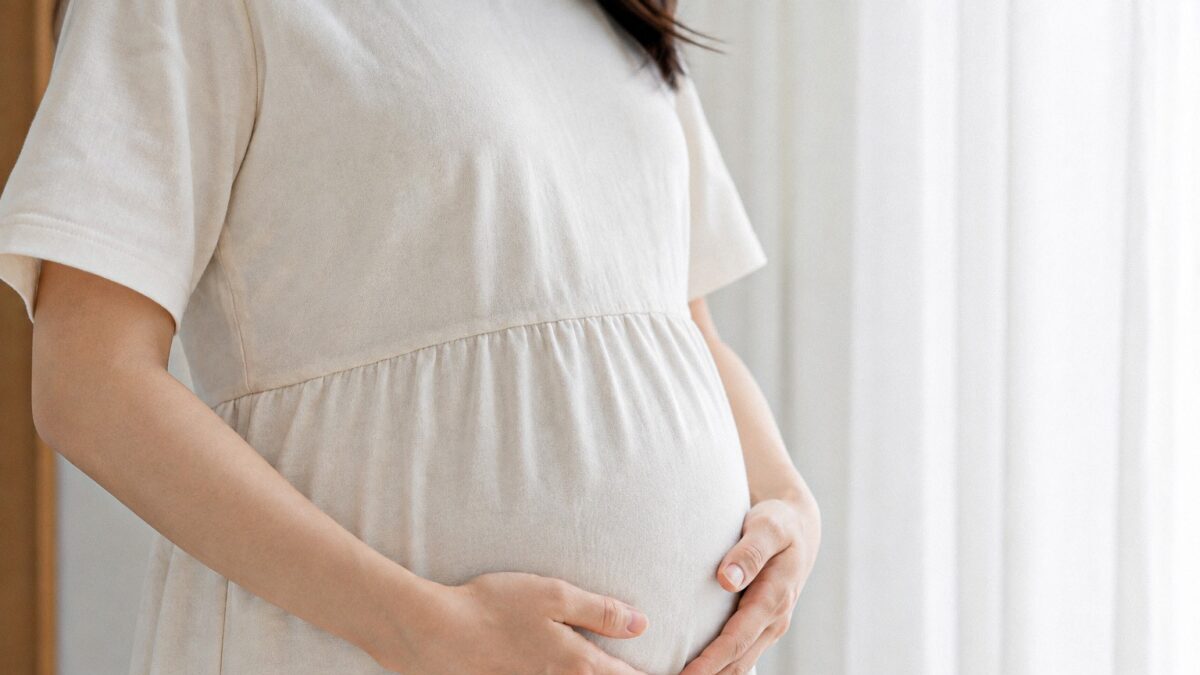
Pancreatic cancer is notoriously difficult to attribute to a single cause. However, a major South Korean study tracking more than 930,000 premenopausal women has found that those who had given birth faced nearly a 30% lower risk of developing pancreatic cancer compared to those who had not. Even so, researchers cautioned that it is too early to conclude that childbirth itself directly prevents the disease.
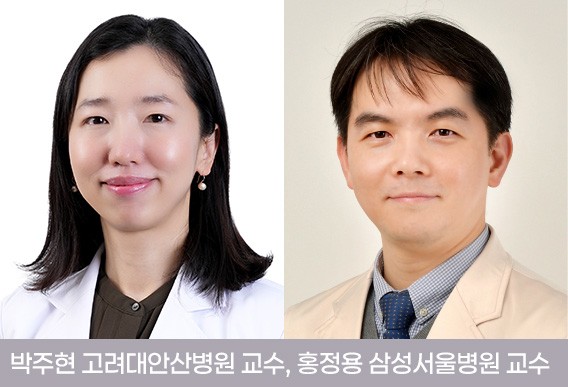
A research team co-led by Professor Park Ju-hyun of the Department of Family Medicine at Korea University Ansan Hospital and Professor Hong Jung-yong of the Division of Hematology-Oncology at Samsung Medical Center published the findings on August 5 in the medical journal Mayo Clinic Proceedings after analyzing data from 935,345 premenopausal women.
A Nearly Four-Fold Rise in Pancreatic Cancer Cases
In South Korea, pancreatic cancer remains one of the most challenging malignancies, with a five-year relative survival rate of just 17.0% for patients diagnosed between 2019 and 2023. Because early symptoms are rare, the disease is difficult to detect in its initial stages, and many cases are already advanced upon diagnosis.
While overall incidence is higher among men across all age groups, reports from South Korea, the United Kingdom, and the United States consistently show a more pronounced increase among younger women. According to Ministry of Health and Welfare cancer registry statistics, new annual pancreatic cancer cases in South Korea surged roughly 3.7-fold—from 2,614 in 1999 to 9,748 in 2023—nearing 10,000 new patients per year.
Childbirth Associated with Up to 30% Lower Risk
While smoking, obesity, and diabetes are well-established risk factors for pancreatic cancer, evidence regarding the impact of female reproductive factors has been limited. Globally, pancreatic cancer occurs more frequently in men. Because pancreatic tissue contains estrogen receptors, researchers have long hypothesized that female sex hormones might play a protective role, though previous studies yielded mixed results..
The research team followed 935,345 premenopausal women aged 40 to 55 who participated in the national cancer screening program in 2009 for an average of 9.3 years. During the follow-up period, 2,065 women were diagnosed with pancreatic cancer. Because pancreatic cancer is relatively rare in premenopausal women, overall risk during the study remained low, at roughly 2 to 3 cases per 1,000 individuals.
Even after adjusting for confounding variables—including age, body mass index (BMI), smoking, alcohol consumption, physical activity, diabetes, hypertension, dyslipidemia, and pancreatitis—the reduced risk persisted among women with a history of childbirth. Compared to women with no childbirth history, risk was 28% lower among those who had given birth to one child and 30% lower among those who had given birth to two or more. In contrast, age at menarche, duration of breastfeeding, and duration of oral contraceptive use showed no significant association with pancreatic cancer risk.
Similar trends have been observed internationally. Prior meta-analyses suggested that women with a history of childbirth faced a 9% to 14% lower risk of pancreatic cancer than nulliparous women. The 28% to 30% risk reduction observed in this South Korean cohort is notably higher.
Association Does Not Equal Direct Causation
While researchers pointed to the elevated levels of estrogen during pregnancy as a potential mechanism, they emphasized that further biological studies are necessary.
"This study provides important evidence for understanding pancreatic cancer risk among women without childbirth experience in an era of declining birth rates, helping lay the groundwork for tailored prevention strategies," said Professor Park Ju-hyun. "However, because this is an observational study that identifies an association, it is premature to interpret the results as showing that childbirth directly prevents pancreatic cancer."
Professor Park stressed that lifestyle management remains the primary defense against the disease: "To prevent pancreatic cancer, consistently managing established risk factors—such as quitting smoking, maintaining a healthy weight, exercising regularly, and controlling blood sugar—remains paramount for everyone, regardless of childbirth history."