It is easy to assume that simply placing food inside the refrigerator is enough to keep it fresh. However, storage locations within the fridge vary significantly in temperature and stability. For highly perishable items like milk and eggs, placement plays a critical role in preserving quality and extending shelf life.
Strategic storage preserves food quality
Maximizing the interior layout of your refrigerator helps maintain ingredient quality. The single most important factor for refrigerated goods is maintaining a consistently low temperature. Every time the refrigerator door opens, warm ambient air enters, causing the internal temperature to rise temporarily. Repeated exposure to these micro-temperature swings creates ideal conditions for bacterial growth.
The coldest, most stable spot for milk
Milk requires cold, steady temperatures to remain safe and fresh. As a highly perishable staple, the recommended storage temperature for milk is 4°C or lower.
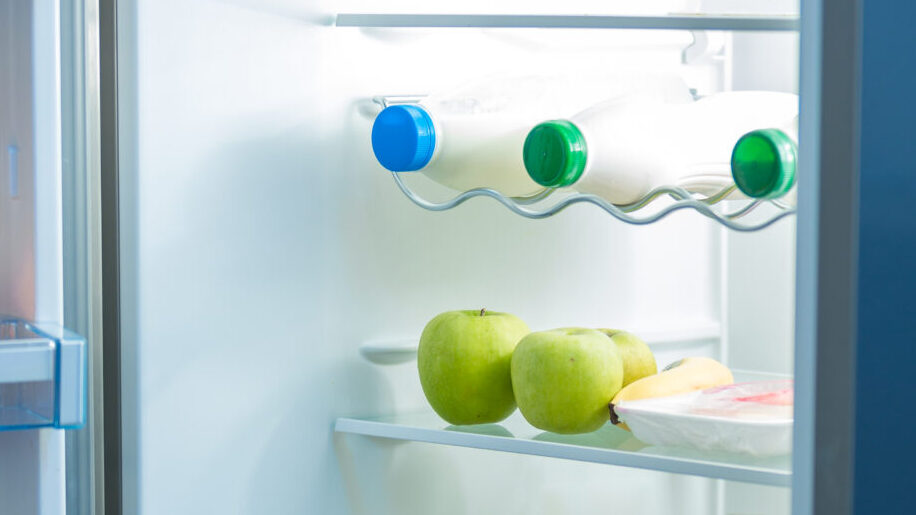
In many households, milk is stored on the refrigerator door shelf for convenience. However, the door experiences the most frequent exposure to outside air and suffers the sharpest temperature fluctuations, making it one of the worst places to keep milk. Placing milk toward the back of the interior shelves—where temperatures remain consistently cold—helps preserve its freshness for much longer.
Door movement and temperature swings impair egg quality
Eggs are equally sensitive to where they are stored. Placing eggs on the door shelf can cause their quality to deteriorate rapidly. Frequent temperature changes lead to condensation forming on the eggshell, which interferes with the shell's natural permeability and accelerates spoilage.
Additionally, repeated shaking and physical vibrations from opening and closing the door can damage the egg's delicate internal structure. Specifically, physical jolts can loosen the chalaza—the spiral, cord-like strands that anchor the yolk in the center of the egg white. When the chalaza weakens, the internal structure degrades, making the egg far more susceptible to freshness loss.
Best practices for storing eggs
Eggs should be stored toward the back of the refrigerator at a steady temperature between 0°C and 4°C, safely away from door vibrations. Storing eggs upright with the pointed end facing down positions the rounded end—which contains the air cell—at the top, helping to maintain internal quality.
Eggs should never be washed before storage. The shell is coated with a natural protective membrane that guards against bacterial infiltration. Washing the egg damages this protective layer, making it easier for bacteria to penetrate the porous shell. If the shell is dirty, gently wipe it clean with a dry paper towel before storing.
By contrast, the refrigerator door shelf is best suited for items like cooking oils, condiments, sauces, and seasonings. These products typically contain ingredients like salt and sugar that increase shelf stability, making them far less vulnerable to frequent temperature shifts.