
Breakfast is far more than a quick way to kickstart the day—it is a critical habit for safeguarding long-term brain health. As population aging accelerates and dementia rates rise, dietary management is becoming increasingly vital. A balanced morning meal supplies the brain with essential energy while helping to preserve cognitive function over time.
Why eating breakfast is essential for brain health
When schedules get busy, breakfast is often the first thing people skip. However, making a habit of missing the morning meal can have serious consequences for brain health. Breakfast replenishes the glucose levels depleted overnight, supplying the fuel required for focus and mental clarity.
When the brain's energy supply is repeatedly disrupted, the consequences extend beyond temporary concentration lapses to potential cognitive impairment. Research indicates that older adults who regularly skip breakfast exhibit lower cognitive performance and higher levels of neurodegeneration markers compared to those who eat morning meals.
Steer clear of foods high in sugar and saturated fat
Simply eating breakfast, however, is not enough—what you choose to eat matters just as much. Foods excessively high in refined sugar or saturated fat trigger inflammatory responses and harm vascular health. Over time, these dietary choices can contribute to progressive declines in brain function.
Sugary cereals, sweetened yogurts, and fruit juices cause rapid spikes and sharp drops in blood sugar. These dramatic fluctuations induce fatigue, impair concentration, and negatively affect insulin sensitivity.
A 2021 study conducted at Washington University revealed that individuals who consumed foods triggering sharp post-meal blood sugar spikes and excessive insulin secretion exhibited greater accumulation of amyloid protein in the brain one year later. As amyloid plaque builds up, affected brain regions progressively lose functional capacity.
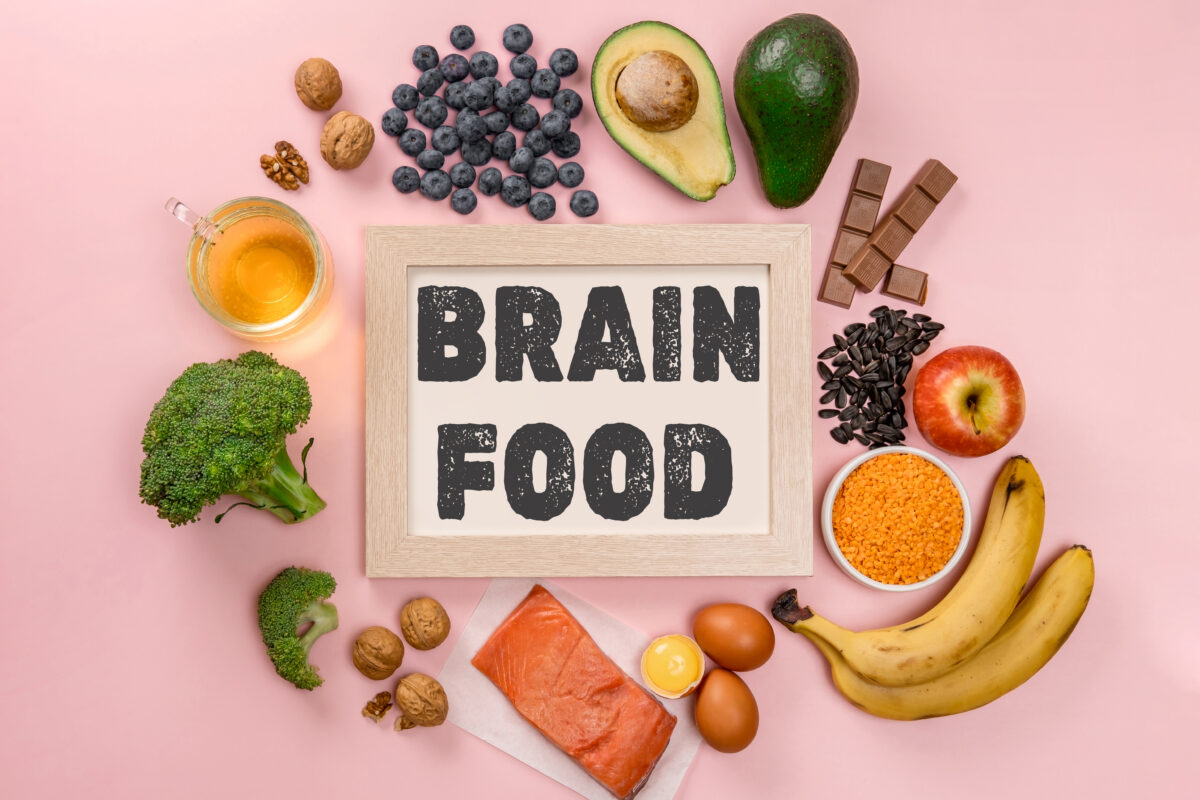
Brain-boosting foods to eat in the morning
For optimal cognitive support, morning meals should emphasize foods rich in antioxidants and vital neuro-nutrients that protect nerve cells and sustain mental acuity.
Turmeric is widely recognized for its brain-protective properties. Its primary active compound, curcumin, possesses potent antioxidant and anti-inflammatory effects that reduce systemic inflammation and suppress amyloid accumulation, helping prevent nerve cell damage.
Incorporating accessible staples like eggs and broccoli into your morning routine also yields significant cognitive benefits. Eggs offer a broad spectrum of essential nutrients; specifically, the choline abundant in egg yolks is necessary for synthesizing acetylcholine, a key neurotransmitter involved in memory and learning. Furthermore, the vitamin B12 in eggs helps maintain the protective myelin sheath surrounding nerves, while lutein supports both brain and eye health. Simple preparation methods like boiling or steaming make eggs easy to digest for breakfast.
Broccoli is similarly packed with brain-supporting compounds, including sulforaphane, flavonoids, and vitamins C and K. These nutrients mitigate cellular damage caused by reactive oxygen species and ease inflammatory responses. In particular, sulforaphane suppresses neuroinflammation and shields nerve cells from damage. Extensive research consistently links higher vegetable consumption with a reduced risk of cognitive decline, highlighting the importance of regularly eating green vegetables like broccoli.
<Key Takeaways>
Skipping breakfast deprives the brain of essential energy, which can lead to cognitive decline over time.
Foods high in sugar and saturated fat trigger blood sugar spikes and may accelerate amyloid buildup in the brain.
Incorporating turmeric, eggs, and broccoli into your morning routine helps protect nerve cells and maintain long-term brain function.