What makes diabetes particularly dangerous is the risk of severe, systemic complications. While classic warning signs include polydipsia (excessive thirst), polyuria (frequent urination), and polyphagia (increased appetite), vascular damage in the heart, brain, kidneys, eyes, and feet can develop silently without any obvious symptoms. Delayed intervention allows persistent hyperglycemia to cause both acute and chronic diabetic complications. Strict daily glycemic management through dietary control, exercise, and medication is essential, alongside maintaining healthy body weight, blood pressure, and cholesterol levels.
Why Diabetes Raises the Risk of Pancreatic Cancer
The link between diabetes and pancreatic cancer continues to draw significant clinical attention. Recognized risk factors for pancreatic cancer include genetics, smoking, obesity, chronic pancreatitis, age, alcohol consumption, dietary factors, and chemical exposures. Studies consistently show that the sudden onset or rapid worsening of diabetes elevates the risk of pancreatic malignancy. Because the pancreas secretes insulin and glucagon to regulate blood sugar levels, chronic strain caused by persistent hyperglycemia increases susceptibility to tissue damage and disease.
High Blood Sugar in Cancer Patients: Sarcopenia vs. Infection Risk
Even in individuals without a prior diagnosis of diabetes, cancer onset or treatment can trigger sudden hyperglycemia. According to materials from the Korean Diabetes Association, cancer patients frequently struggle with blood sugar control. Metabolic alterations driven by tumor cells, combined with necessary treatments like chemotherapy and corticosteroids, can cause sharp spikes in blood glucose.
However, severely restricting food intake to lower blood sugar risks causing malnutrition and sarcopenia (progressive muscle wasting). Conversely, focusing solely on aggressive nutritional supplementation without controlling blood sugar heightens infection risks, as hyperglycemia suppresses immune function.
Chemotherapy introduces additional physiological stress, including side effects such as nausea, vomiting, loss of appetite, diarrhea, and weight loss. Inflammatory cytokines secreted by tumor tissue and immune responses accelerate the breakdown of muscle protein and fat stores, causing skeletal muscle mass to decline even when adequate calories and insulin are provided. Refusing food due to treatment side effects further compounds muscle loss, leading to functional decline and severe weakness.
Preventing Hyperglycemia: Prioritizing Nutrition and Protein
The Korean Diabetes Association cautions that applying overly strict blood sugar control to patients with irregular food intake can trigger dangerous hypoglycemia and malnutrition. Preventing severe hyperglycemia through balanced, adequate nutrition is a far more practical approach. Guidelines from the European Society for Clinical Nutrition and Metabolism (ESPEN) recommend an energy intake of 25–30 kcal per kilogram of body weight daily for cancer patients.
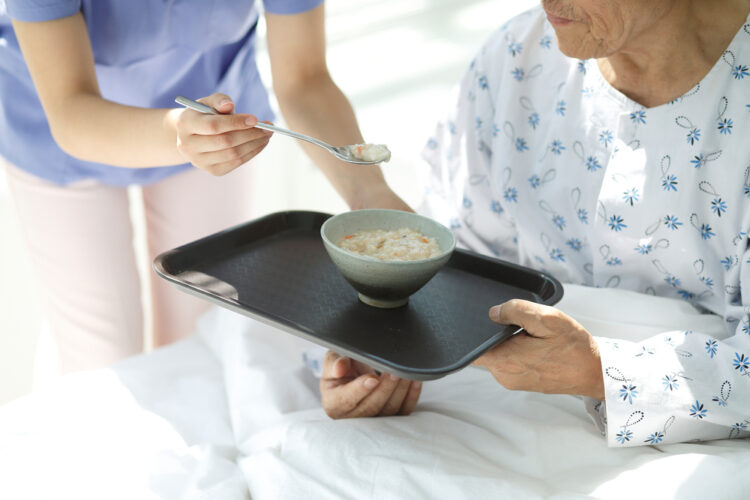
Cancer patients must focus on maintaining weight and preserving muscle mass. Consuming adequate protein from sources such as meat, fish, and eggs is vital for tissue recovery, provided kidney function remains healthy. For patients experiencing insulin resistance, skeletal muscle utilizes glucose less efficiently. In such cases, increasing the proportion of healthy dietary fats relative to carbohydrates can improve energy metabolic efficiency, lower post-meal glycemic loads, and deliver dense calories in smaller portions. However, extreme ketogenic diets that severely limit carbohydrates and protein are not recommended, nor are high-dose vitamin or mineral supplements unless a specific deficiency is diagnosed.
Cancer-Prevention Diets Differ Sharply from Treatment Regimens
While diets rich in raw vegetables and fruits help prevent cancer in healthy individuals, relying exclusively on plant-based foods during active cancer treatment can lead to rapid malnutrition and severe sarcopenia—a condition that can prove more dangerous than the cancer itself. Patients undergoing grueling chemotherapy require energy-dense, high-protein nutrition despite nausea and reduced appetite. Families should consult medical teams and clinical dietitians to establish tailored nutritional plans, while avoiding unverified herbal remedies that pose risks of organ toxicity. Ultimately, proper nutrition during treatment is as critical to recovery and timely hospital discharge as dietary management is to controlling diabetes.