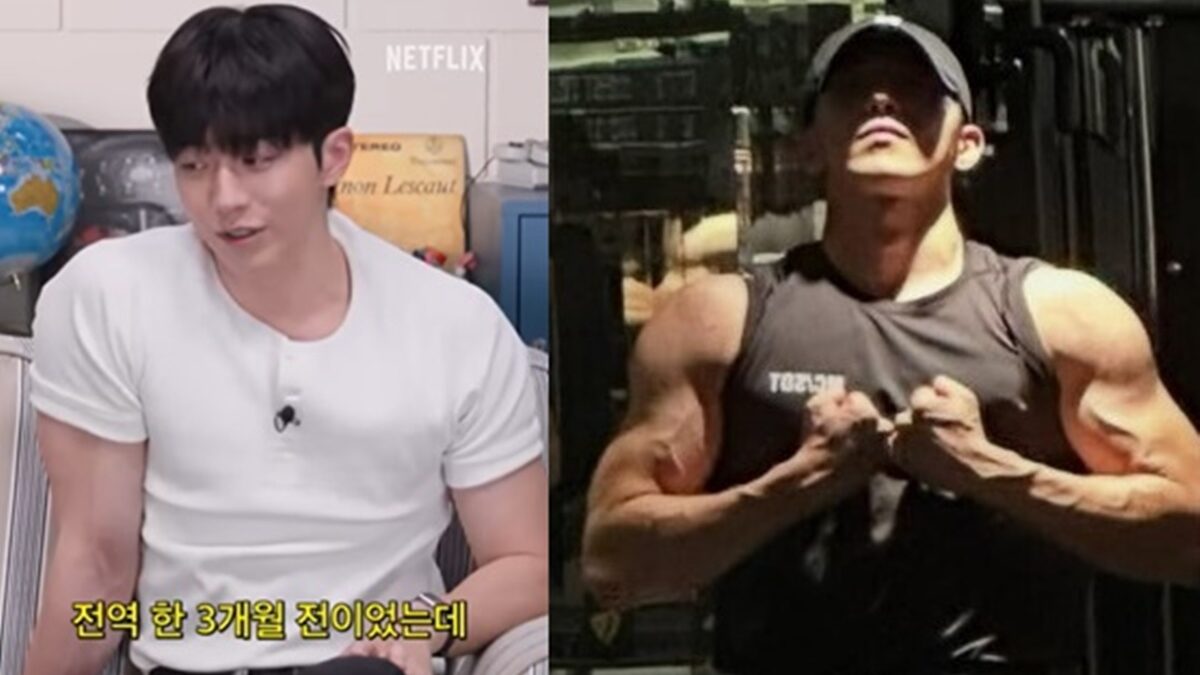
Actor Nam Joo-hyuk, 32, has recently captured public attention with unexpectedly muscular forearms that contrast sharply with his boyish features.
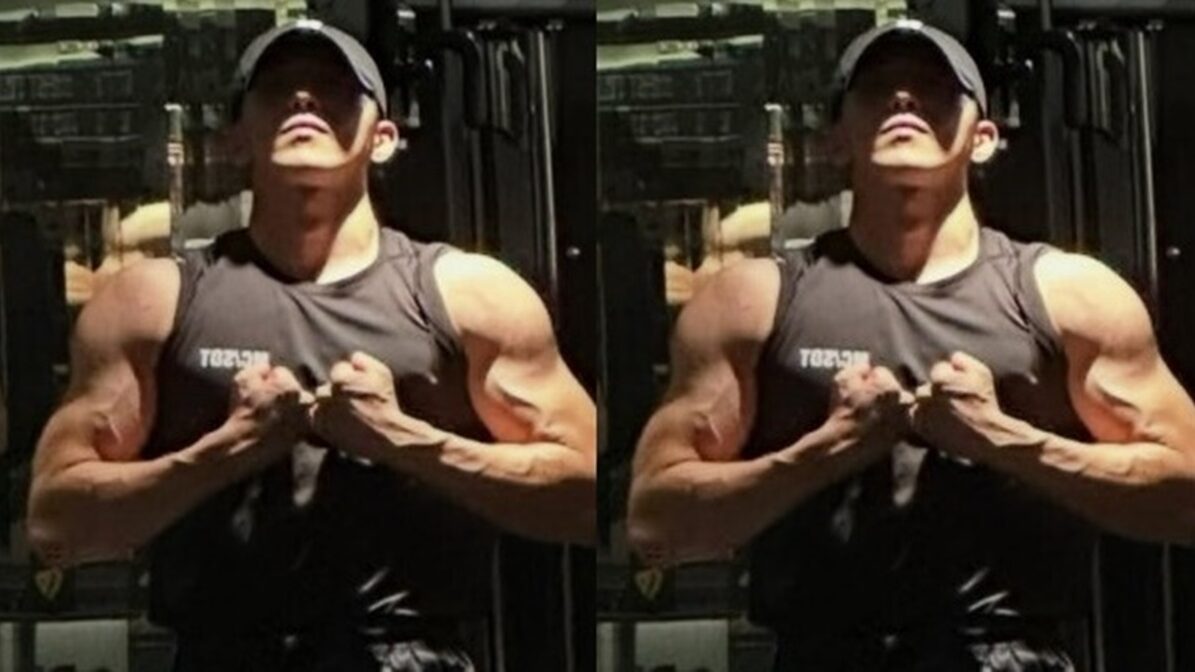
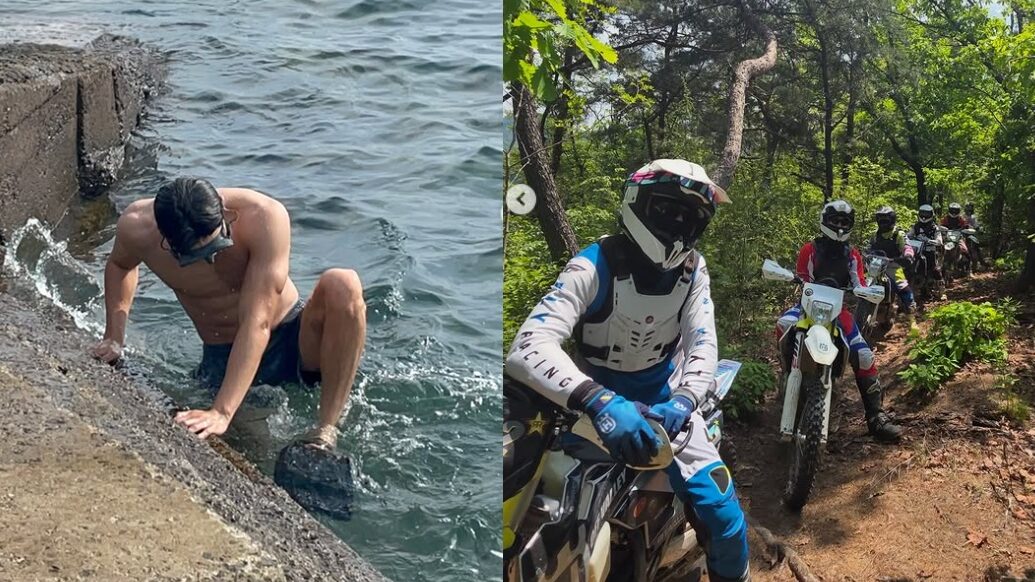
In recent social media posts, Nam shared glimpses of his daily routine, including gym workouts, ocean swimming, and motorcycle rides. The gym photos in particular highlighted his dramatic physical transformation. Posing in a sleeveless top following a workout session, he showcased fully pumped arms and a broad shoulder line.
Online commenters reacted with admiration, writing, "I thought those forearms were CGI," "They look like Ma Dong-seok’s forearms," "He has a boyish face but an athlete’s body," and "What kind of workout routine builds a physique like that?"
Since completing his mandatory military service in 2024, Nam has consistently focused on strength training. He recently generated buzz for his broad frame at a promotional event for the Netflix series The East Palace, in which he plays Gucheon, a character who moves between the spirit world and the human realm. What specific training principles and exercises contribute to a build like this?
Broad Shoulders Depend on Deltoids; Arm Thickness Hinges on Triceps
Fitness experts emphasize that achieving a physique like Nam's requires more than isolated arm exercises. The foundation lies in compound upper-body training that simultaneously targets the shoulders, back, and chest.
The key muscle for visual shoulder width is the deltoid, which caps the shoulder joint. Developing the lateral deltoid in particular creates a wider silhouette. The American College of Sports Medicine (ACSM) recommends prioritizing multi-joint compound movements as the primary driver of muscle hypertrophy, supplemented by targeted isolation exercises.
Key gym exercises include:
Overhead Press (Shoulder Press): A foundational compound movement that builds overall shoulder mass while engaging the triceps.
Side Lateral Raise: Specifically targets the lateral deltoid to maximize visual shoulder width.
Face Pull: Strengthens the rear deltoid and scapular stabilizers, adding three-dimensional depth to the shoulder line.
For arm mass, triceps development is significantly more impactful than biceps training, as the triceps account for approximately two-thirds of the upper arm's circumference. Effective triceps exercises include the close-grip bench press, dips, and triceps pushdowns. Adding biceps-focused movements like barbell curls or hammer curls helps ensure balanced arm development.
Back Training Completes a Broad Upper-Body V-Taper
Shoulder exercises alone are insufficient to create exceptionally wide shoulders. Developing the latissimus dorsi (lats) creates a pronounced V-taper that enhances the appearance of shoulder width. Essential back exercises include pull-ups, lat pulldowns, barbell rows, and seated cable rows. Additionally, the chest-focused bench press serves as a core compound exercise that recruits the anterior deltoids and triceps, contributing to overall upper-body volume.
To maximize muscle growth, the ACSM suggests training each target muscle group two to three times per week, performing two to four sets per exercise within a 6-to-12 repetition range using appropriate resistance.
Ocean Swimming Offers Full-Body Conditioning; Riding Engages Core Stabilizers
Swimming, one of Nam’s preferred activities, provides excellent full-body conditioning. Utilizing water resistance, strokes like freestyle and butterfly heavily recruit the lats, shoulders, chest, and core. However, while swimming enhances muscular and cardiorespiratory endurance, its capacity to drive bodybuilding-style hypertrophy is limited compared to resistance training.
Motorcycle riding, while not a primary hypertrophy exercise, demands static engagement from core, lower back, and shoulder stabilizing muscles to maintain proper riding posture. In contrast, standard cycling acts as a cardiovascular workout that targets lower-body muscles, including the quadriceps, hamstrings, and glutes.
Protein Intake and Recovery Are Essential for Muscle Synthesis
Muscle hypertrophy occurs during recovery rather than during the workout itself. The International Society of Sports Nutrition (ISSN) recommends that adults seeking muscle growth consume 1.4 to 2.0 grams of protein per kilogram of body weight daily. Consuming 20 to 40 grams of high-quality protein shortly after exercise optimizes muscle protein synthesis.
A balanced muscle-building diet pairs protein sources—such as chicken breast, eggs, fish, lean meats, tofu, and Greek yogurt—with complex carbohydrates like brown rice or sweet potatoes, alongside healthy fats from nuts and olive oil. Proper hydration and seven to nine hours of nightly sleep remain vital components for complete muscle recovery and growth.