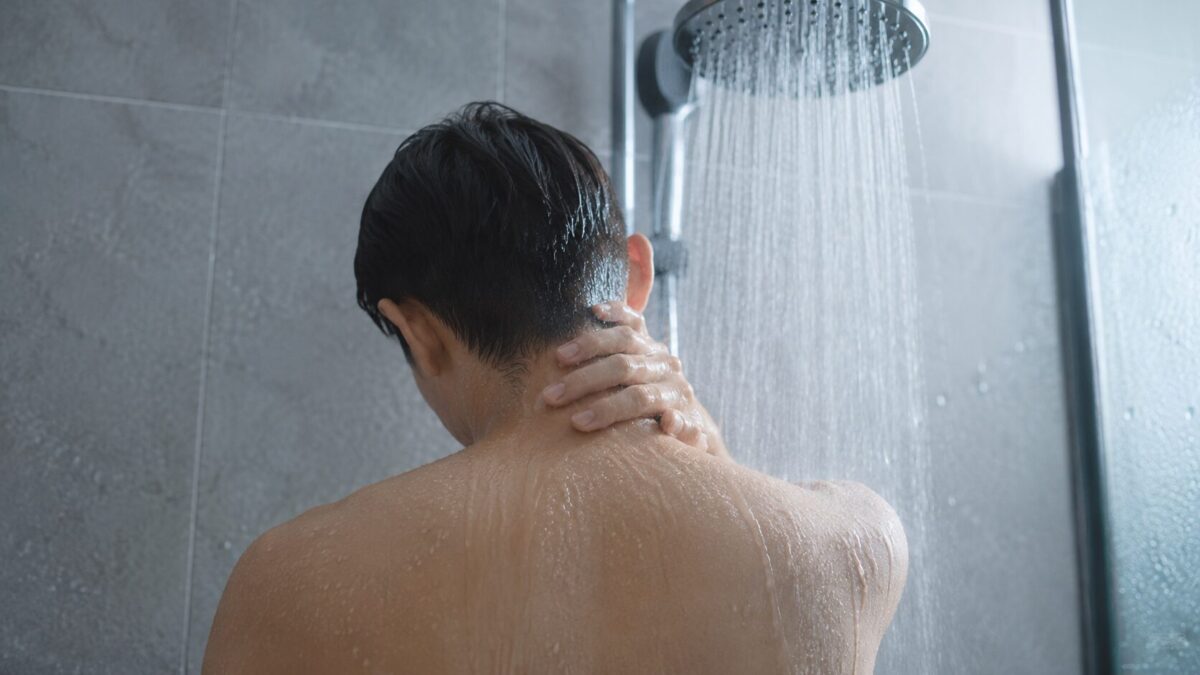
As extreme heat waves persist, many people instinctively turn to ice-cold showers for immediate relief. While a blast of cold water feels instantly refreshing, many find themselves hot, sweating, and exhausted shortly after stepping out. During summer, the critical factor is not the momentary sensation of cold, but how the body regulates its temperature immediately afterward.
Why Lukewarm Water Provides Longer-Lasting Cooling
Very cold water causes blood vessels in the skin to constrict rapidly, temporarily trapping core body heat inside rather than allowing it to escape. Once the shower ends and those blood vessels dilate again, internal body temperature can rebound quickly—leaving you feeling hotter than before. This sudden thermal shock can be particularly taxing on a body that has just spent an extended period active outdoors in intense heat.
By contrast, lukewarm water around 32°C to 35°C, slightly below normal body temperature, helps the body dissipate heat far more naturally. Showering in lukewarm water for 5 to 10 minutes allows heat lingering in the skin to evaporate gradually, providing a cooling effect that lasts much longer after you finish.
Cool Down Before Stepping Into the Shower
Showering immediately after intense exercise or outdoor activity in extreme heat poses additional risks. Because your heart rate and core body temperature remain elevated, an immediate cold shower causes abrupt vascular constriction, which can induce dizziness, muscle tension, or shivering. Furthermore, if you are still sweating profusely, the shower will be far less effective.
Instead, rest indoors or in the shade for 10 to 20 minutes until sweating subsides before showering. Sipping water gradually during this cooldown period helps stabilize core body temperature and reduces post-shower fatigue.
Replenish Fluids and Electrolytes After Showering
Extreme summer heat drains the body of both fluids and vital electrolytes, such as sodium and potassium. Sitting directly in front of strong air conditioning or fan airflow immediately after a shower causes surface moisture on the skin to evaporate too rapidly, which can worsen thirst and exhaustion.
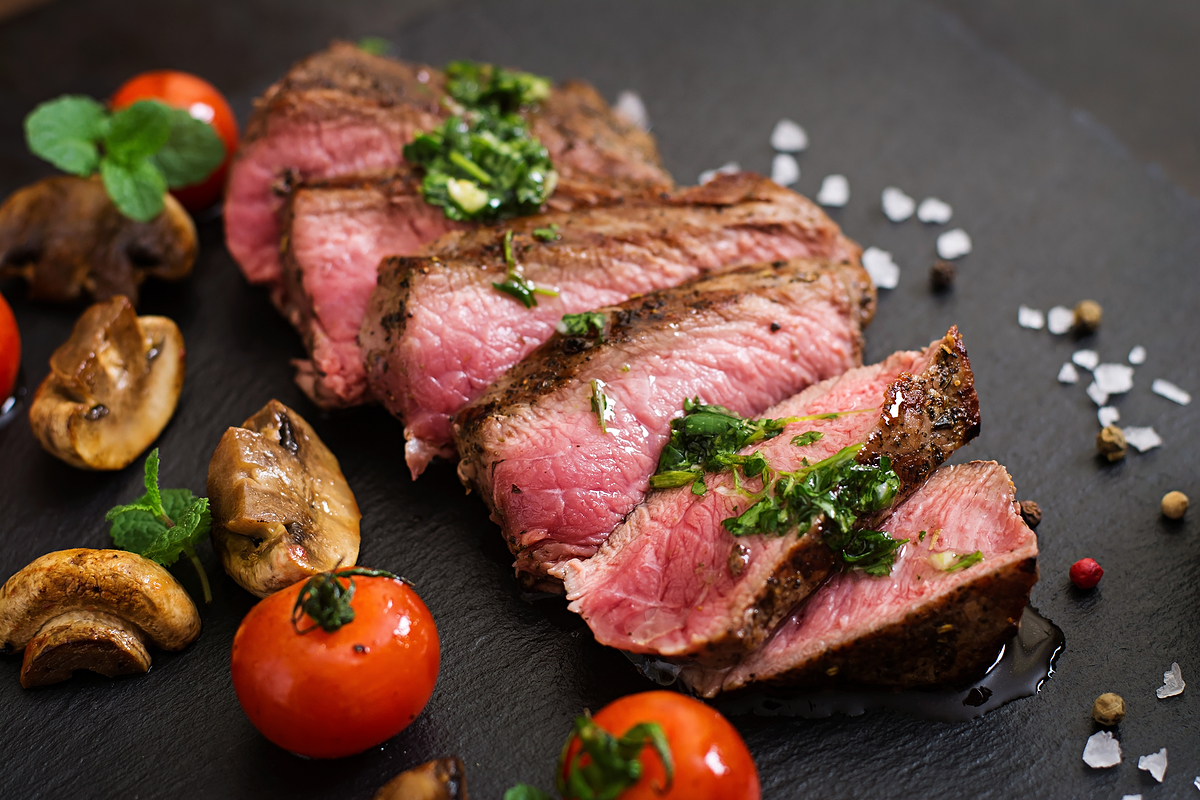
To recover properly, drink a glass of water slowly after your shower. If you have sweated heavily, eat water- and potassium-rich foods such as tomatoes, cucumbers, and watermelon. Restoring lost electrolytes is essential for supporting full physical recovery after prolonged heat exposure.
Shower One Hour Before Bed for Better Sleep
While taking a cold shower right before bed seems like an easy way to cool off at night, frigid water actually stimulates the nervous system, placing the body into an alert state that interferes with falling asleep. Conversely, a shower at a moderate temperature supports the body's natural process of lowering core temperature, which promotes sound sleep.
Taking a 10-minute lukewarm shower about an hour before bedtime while maintaining an indoor temperature of 24°C to 26°C makes it significantly easier to fall asleep, even on sweltering summer nights. While cold water offers instant refreshment, lukewarm water remains the superior choice for sustained comfort and effective fatigue recovery.