As sweltering heat waves and high humidity force air conditioners and cooling equipment to run continuously, public health authorities are raising renewed concerns about Legionella infections—often referred to colloquially as "air conditioner disease."
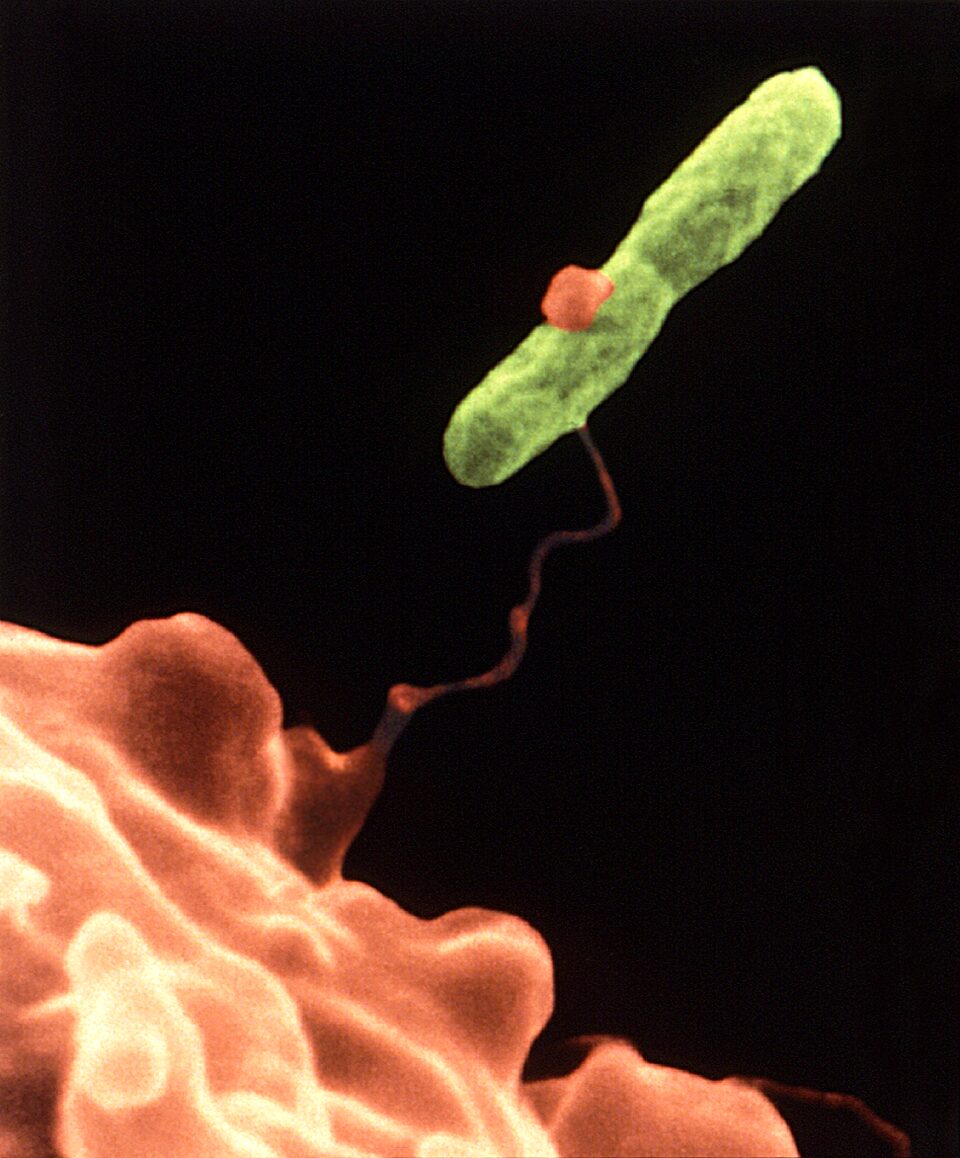
Legionella bacteria thrive in warm, stagnant water, multiplying readily in the cooling towers of large commercial buildings, hot water systems, showerheads, decorative fountains, and plumbing infrastructure. When individuals inhale microscopic water droplets or mist contaminated with the bacteria, they face a heightened risk of developing legionellosis, a spectrum of respiratory illnesses ranging from mild Pontiac fever to severe pneumonia.
The threat remains timely. In late June, health officials in New York investigated a cluster of legionellosis cases in Manhattan’s East Village after dozens of residents fell ill over a short span. In South Korea, the Korea Disease Control and Prevention Agency (KDCA) classifies legionellosis as a Class 3 notifiable infectious disease. Individuals aged 50 and older, patients with chronic lung disease or diabetes, and immunocompromised individuals face a significantly higher risk of severe disease, prompting experts to stress rigorous maintenance and sanitation for multiuse facility cooling systems.
With many households operating air conditioners in dehumidifying mode during humid stretches, preventing stagnant water from accumulating is essential. Legionella bacteria readily colonize water that drips and collects in uncleaned cooling and heating units, making regular filter cleaning and drainage checks crucial.
The 1976 Philadelphia Outbreak and the Discovery of Legionella
This year marks the 50th anniversary of the discovery of Legionella bacteria and Legionnaires’ disease. The pathogen’s name stems from the American Legion, a U.S. military veterans organization whose members were the first recognized victims of a major outbreak.
From July 21 to July 23, 1976, the American Legion held its annual convention at the Bellevue-Stratford Hotel in Philadelphia, Pennsylvania. The time and location were chosen to coincide with the bicentennial of the U.S. Declaration of Independence. Over 2,000 members attended, and the convention initially concluded without incident.
The crisis unfolded starting July 27, days after attendees returned home. Veterans ranging in age from 39 to 82 began dying in rapid succession after experiencing severe fatigue, chest pain, pulmonary congestion, and high fevers. Initial reports presumed the cause of death to be heart attacks.
Epidemiological Tracking Uncovers the HVAC Link
The true scope of the outbreak came into focus thanks to Dr. Ernest Campbell, a private physician in Bloomsburg, Pennsylvania. Recognizing that three of his deceased patients shared the common thread of attending the Philadelphia convention, Dr. Campbell immediately notified state public health authorities.
A subsequent investigation revealed that 182 people had fallen ill—149 convention attendees and 33 individuals who had been in or near the hotel—resulting in 29 deaths.
The U.S. Centers for Disease Control and Prevention (CDC) launched an intensive federal investigation to identify the unknown pathogen and its transmission route. In January 1977, CDC researchers confirmed that a previously unknown bacterium was responsible. Investigators determined that the bacteria had multiplied in contaminated water inside the hotel's air conditioning cooling tower and was distributed throughout the building via the HVAC system. The CDC named the newly identified bacterium Legionella.
The 1976 investigation fundamentally reshaped global health regulations for heating, ventilation, and air conditioning systems. Today, facility managers worldwide conduct mandatory seasonal cleanings and inspections of cooling towers to prevent bacterial growth.
Understanding Pontiac Fever vs. Legionellosis
Legionella bacteria can cause a wide spectrum of respiratory illnesses when inhaled as vapor (transparent gas from evaporating water) or mist (fine liquid droplets suspended in air, such as mist emitted by ultrasonic humidifiers).
Infection occurs almost exclusively through the inhalation of contaminated respiratory droplets from sources like cooling towers, hot water systems, showerheads, or mist fountains. Urban residents who spend extended time near improperly maintained cooling infrastructure face elevated exposure risks. However, person-to-person transmission is exceptionally rare, meaning the disease does not spread through casual contact.
Clinical symptoms fall into two distinct forms:
Pontiac Fever: A milder, acute febrile illness with an incubation period of 24 to 48 hours. Patients experience flu-like symptoms, including muscle aches, fever, chills, and fatigue. Because it does not cause pneumonia, it carries a low risk and typically resolves naturally within two to five days without specific medical intervention.
Legionellosis (Legionnaires’ Disease): A far more severe condition characterized by cough, high fever, headache, muscle pain, and shortness of breath. If left untreated, it can progress to life-threatening multifocal pneumonia. While relatively uncommon—affecting fewer than 3 per 100,000 people—legionellosis carries a mortality rate of up to 10%, making immediate medical evaluation imperative upon the onset of symptoms.